Finding Strength in Recovery: The Story of the Young Egyptian
“And David said unto him, To whom belongest thou? and whence art thou? And he said, I am a young man of Egypt, servant to an Amalekite; and my master left me, because three days agone I fell sick.” — 1 Samuel 30:13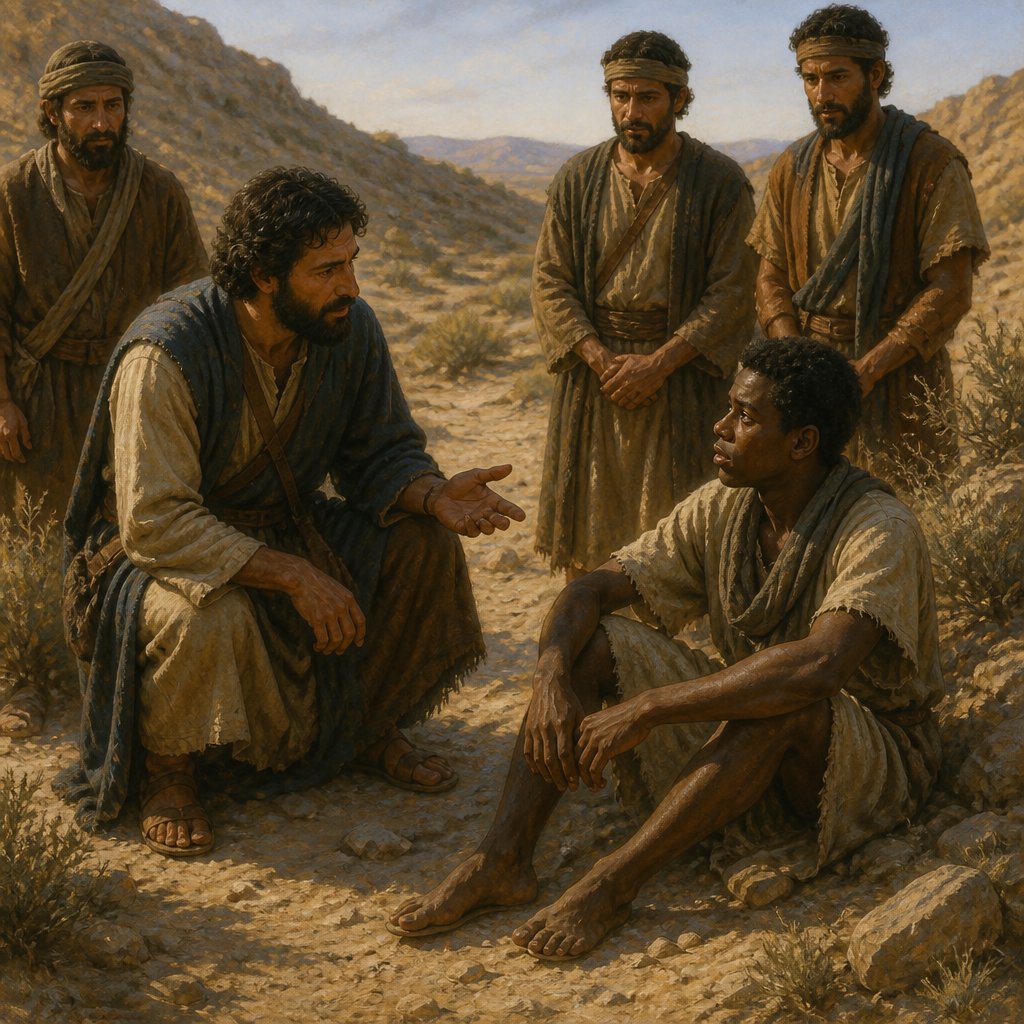
In the heart of 1 Samuel 30:13, we find a profound moment in the life of David, etched in the narrative of struggle, loss, and the glimmers of hope amidst despair. "And David said unto him, To whom belongest thou? and whence art thou? And he said, I am a young man of Egypt, servant to an Amalekite; and my master left me, because three days agone I fell sick.
This passage unfolds in a time of turmoil for David. Just prior to this encounter, he faced a devastating attack on his city, Ziklag, where the Amalekites had raided, burned it down, and taken the women and children captive. His own men, in their grief and anger, contemplated stoning David, as loss hung heavily in the air. In this moment of despair, the narrative pivots with the introduction of an unexpected character—a young Egyptian servant who had been left behind by his Amalekite master.
### Understanding the Context
The Amalekites represent a long-standing adversary of Israel, steeped in a history of conflict. God had commanded Israel to utterly destroy them (1 Samuel 15). Thus, finding one of their servants, particularly one who had been abandoned, introduces a theme of redemption amidst destruction. David, conversing with this young man, is not just engaging with a stranger but uncovering the potential for healing in a fractured situation.
### The Parallel of Abandonment
The young Egyptian's story resonates deeply with many of us. He was abandoned because he had fallen ill—showcasing how often we can feel forsaken in our moments of weakness or trouble. Sometimes it is the trials we endure that lead to a feeling of isolation and abandonment, much like this man experienced. Each of us has a unique story of the burdens we carry; for many, these burdens can feel heavy and suffocating. The young man’s illness made him powerless in the eyes of his master, leading to his rejection. Similarly, how often do we feel cast aside when we are unwell, be it physically, emotionally, or spiritually?
### Seeking Identity
When David asked, "To whom belongest thou? and whence art thou?", it was more than mere inquiry; it was a search for identity—a theme rich within biblical theology. The young man’s response roots him in a place of servitude yet also reveals his vulnerability and need for help. This moment prompts us as readers to reflect on our own identities.
### God's Provision Through Unexpected Means
David, on noticing the plight of the young Egyptian, signifies a willingness to extend compassion even amidst his own crisis. It's inspiring how God often uses our unexpected encounters to guide us toward our healing and restoration. The young Egyptian was on the brink of death, left by his master, yet he became pivotal in revealing the location of the Amalekites to David. It emphasizes how God can use even the most difficult circumstances to bring about salvation and deliverance.
### Hope in Restoration
David’s interaction emphasizes the importance of viewing people through the lens of potential rather than their past. He chose to listen, understand, and ultimately aid. The young man, while initially a servant to an oppressor, finds significance in his suffering. His existence, though marked by neglect, becomes a channel of salvation for David and his men.
As we ponder on this passage, may we be reminded that every person—even those who seem least likely—may hold the key to our understanding, healing, or guidance. Just as David listened to this servant, may we also be quick to listen to the stories around us and find restoration not only for ourselves but also in how we can serve others. In this way, God’s intricate design finds purpose even in the depths of despair. Let us seek to extend grace and mercy, recognizing that everyone has intrinsic value and potential, no matter their past or present circumstances.
Get our apps


Artwork for 1 Samuel 30:13
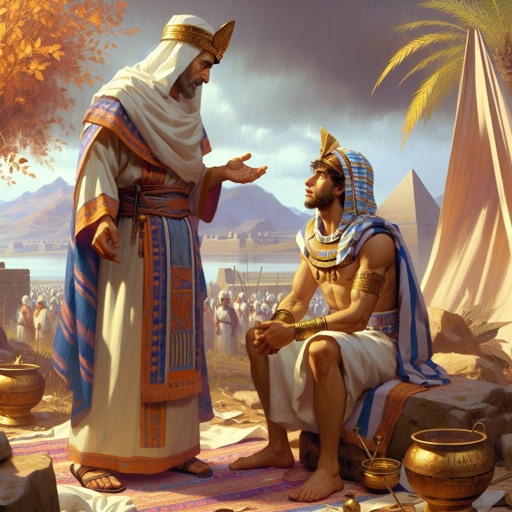
1 Samuel 30:13 - "And David said unto him, To whom belongest thou? and whence art thou? And he said, I am a young man of Egypt, servant to an Amalekite; and my master left me, because three days agone I fell sick."
"And David said unto him, To whom belongest thou? and whence art thou? And he said, I am a young man of Egypt, servant to an Amalekite; and my master left me, because three days agone I fell sick." - 1 Samuel 30:13

1.samuel 15:30

1 Samuel 30:18

1.samuel 15:30

1 Samuel 30:30 - "And to them which were in Hormah, and to them which were in Chorashan, and to them which were in Athach,"
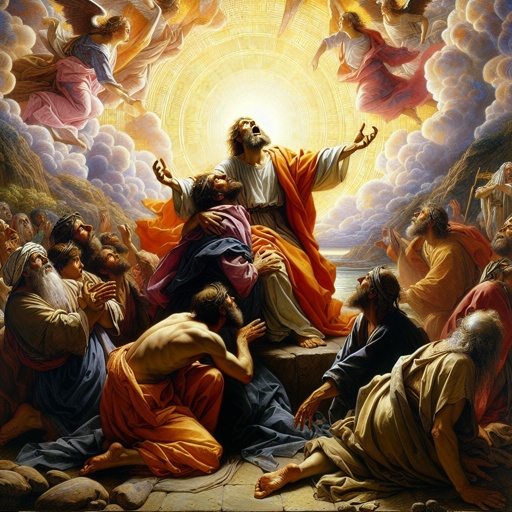
1 Samuel 20:27-30
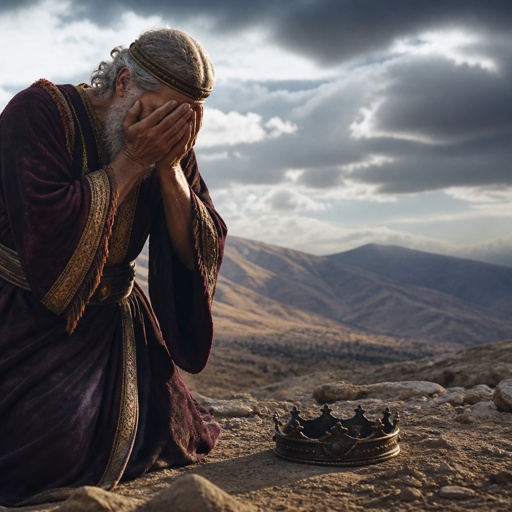
1 Samuel 13:13-14

2 Samuel 13:30 - "¶ And it came to pass, while they were in the way, that tidings came to David, saying, Absalom hath slain all the king's sons, and there is not one of them left."

1 Samuel 16:1–13
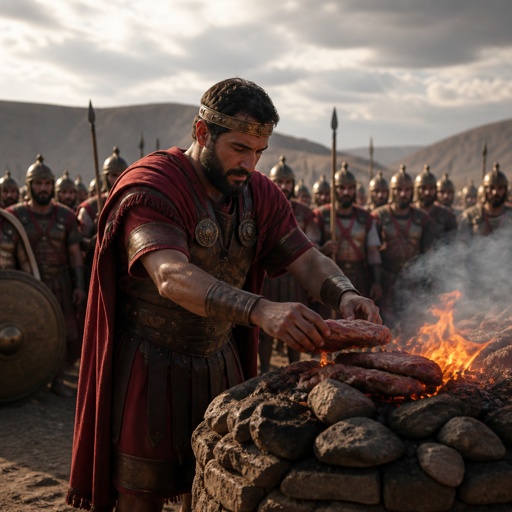
1 Samuel 13:11

1 Samuel 12:13

1 Samuel 30:25 - "And it was so from that day forward, that he made it a statute and an ordinance for Israel unto this day."
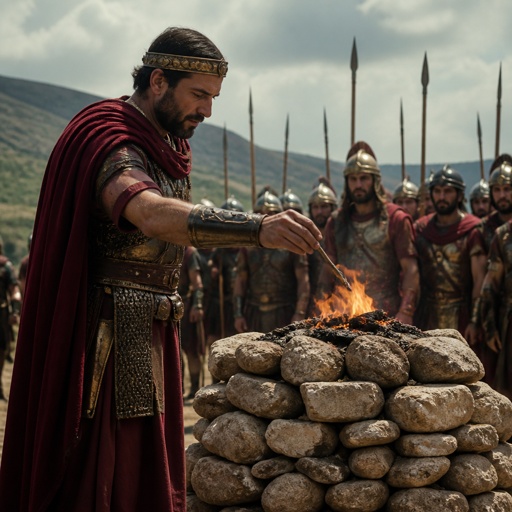
1 Samuel 13:3
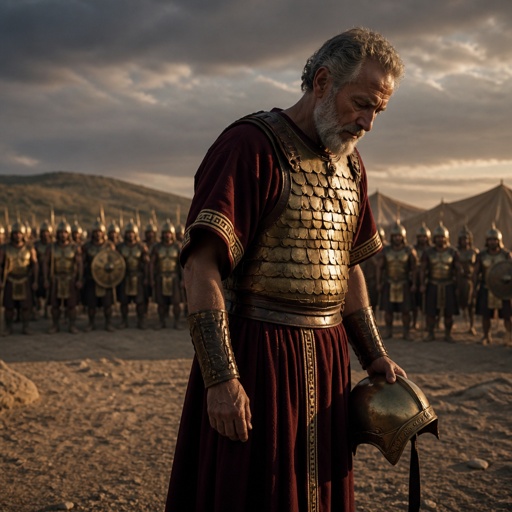
1 Samuel 13:14

1 Samuel 12:13

1 Samuel 30:28 - "And to them which were in Aroer, and to them which were in Siphmoth, and to them which were in Eshtemoa,"

1 Samuel 30:18 - "And David recovered all that the Amalekites had carried away: and David rescued his two wives."

1 Samuel 30:5 - "And David's two wives were taken captives, Ahinoam the Jezreelitess, and Abigail the wife of Nabal the Carmelite."

1 Samuel 30:4 - "Then David and the people that were with him lifted up their voice and wept, until they had no more power to weep."

1 Samuel 22:11-13

1 Samuel 15:13 - "And Samuel came to Saul: and Saul said unto him, Blessed be thou of the LORD: I have performed the commandment of the LORD."

1 Samuel 13:8 - "¶ And he tarried seven days, according to the set time that Samuel had appointed: but Samuel came not to Gilgal; and the people were scattered from him."

1 Samuel 30:29 - "And to them which were in Rachal, and to them which were in the cities of the Jerahmeelites, and to them which were in the cities of the Kenites,"

1 Samuel 30:31 - "And to them which were in Hebron, and to all the places where David himself and his men were wont to haunt."

1 Samuel 30:27 - "To them which were in Beth-el, and to them which were in south Ramoth, and to them which were in Jattir,"

1 Samuel 30:20 - "And David took all the flocks and the herds, which they drave before those other cattle, and said, This is David's spoil."

1 Samuel 30:1 - "And it came to pass, when David and his men were come to Ziklag on the third day, that the Amalekites had invaded the south, and Ziklag, and smitten Ziklag, and burned it with fire;"

1 Samuel 13:23 - "And the garrison of the Philistines went out to the passage of Michmash."

1 Samuel 30:3 - "¶ So David and his men came to the city, and, behold, it was burned with fire; and their wives, and their sons, and their daughters, were taken captives."