A Call to Integrity: The Consequences of Inaction
“For I have told him that I will judge his house for ever for the iniquity which he knoweth; because his sons made themselves vile, and he restrained them not.” — 1 Samuel 3:13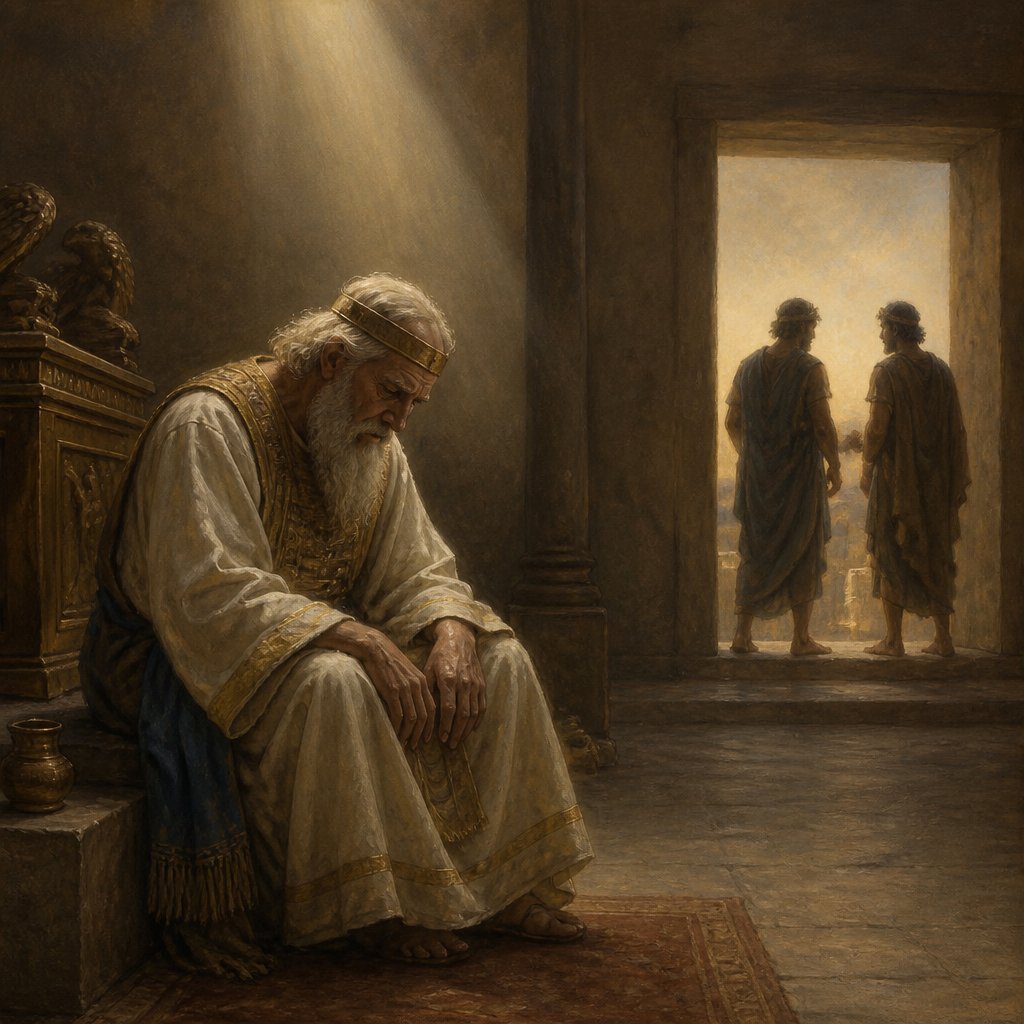
In 1 Samuel 3:13, the Lord declares His judgment upon the house of Eli: "For I have told him that I will judge his house for ever for the iniquity which he knoweth; because his sons made themselves vile, and he restrained them not." This verse confronts us with an uncomfortable truth about leadership, responsibility, and the sometimes devastating consequences of inaction.
Eli, a priest of the Lord, had a position of great authority and influence. However, his failure to correct the immoral behavior of his sons, Hophni and Phinehas, brought severe repercussions not only upon his household but upon the entire nation of Israel. Their actions were not merely personal misconduct; they corrupted the sacred duties of the priesthood, engaging in practices that were vile and dishonoring to God. Eli's inaction in the face of this known wrongdoing raises profound questions about his leadership and priorities.
The phrase "he restrained them not" speaks volumes. It suggests a conscious choice, or perhaps an alarming indifference, on Eli’s part. He was aware of his sons’ transgressions, yet he chose not to intervene decisively. This inaction can often be attributed to a variety of factors—fear of conflict, desire not to alienate his family, or even a misguided sense of loyalty. However, such choices reveal a deeper issue: the prioritization of personal comfort and familial ties over righteous action and God’s commands.
In our lives today, this story serves as a cautionary tale. We may not be priests leading a congregation, but we hold various forms of influence and responsibility—whether as parents, leaders in our communities, or even as friends. The question that looms large is, are we willing to confront wrongdoing when we see it?
Inaction can often feel safer. It allows us to avoid uncomfortable conversations and the possibility of straining relationships. We might think, "If I say something, it could cause a rift." However, the refusal to act when wrongdoing occurs can lead to far greater destruction, not just for the individuals involved but for the community at large. Eli’s failure to restrict his sons led to their ultimate downfall and a curse that affected his lineage forever.
From Eli’s example, we learn that there is an intrinsic responsibility that comes with authority. As believers in Christ, we are not only called to love and show grace but also to uphold truth and righteousness. The Scriptures remind us in Proverbs 27:5 that "Open rebuke is better than secret love." This means that genuine love must sometimes take the form of constructive criticism. We must have the courage to speak the truth lovingly and gently, as it is not merely our own interests we serve, but the glory of God and the welfare of those around us.
Imagine if Eli had taken a stand against the behavior of his sons—had he called them to accountability with firm but loving guidance. It is likely that they could have turned from their sinful ways. In our lives, we may encounter situations where we are compelled to act, to speak out against injustice, or to guide those we love back towards God’s path. The key is to do so with love and conviction, trusting that God will honor our commitment to righteousness.
Ultimately, Eli’s story serves as a reminder of the impact of our actions—or lack thereof. We must remain vigilant to the behaviors within our reach and ensure that we are not turning a blind eye to sin, either in our own lives or in those of our loved ones. For the consequences of inaction can lead to far-reaching destruction, whereas the fruits of courageous action can bring about healing, restoration, and ultimately, glory to God.
Get our apps


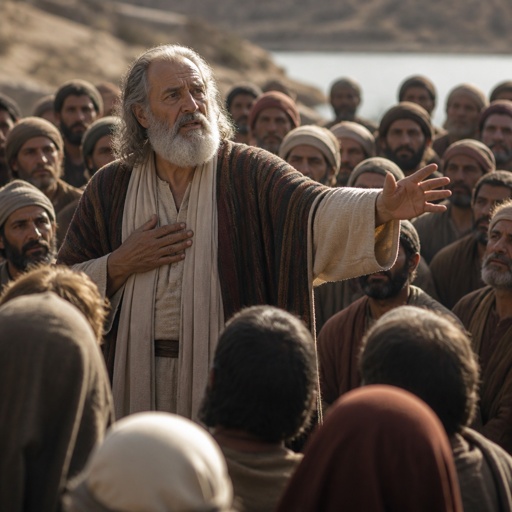
Artwork for 1 Samuel 3:13

1 Samuel 3:13 - "For I have told him that I will judge his house for ever for the iniquity which he knoweth; because his sons made themselves vile, and he restrained them not."
"For I have told him that I will judge his house for ever for the iniquity which he knoweth; because his sons made themselves vile, and he restrained them not." - 1 Samuel 3:13
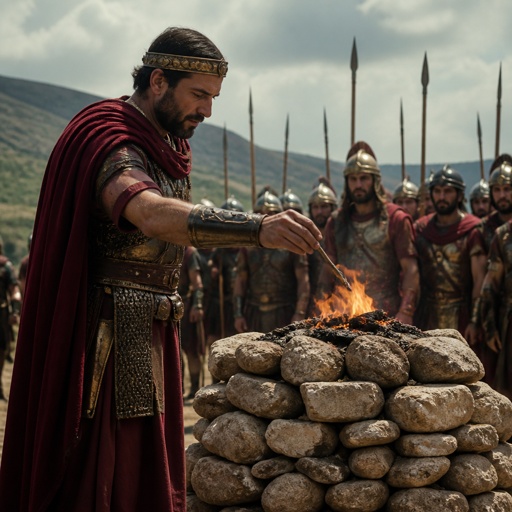
1 Samuel 13:3

1 Samuel 13:3 - "And Jonathan smote the garrison of the Philistines that was in Geba, and the Philistines heard of it. And Saul blew the trumpet throughout all the land, saying, Let the Hebrews hear."
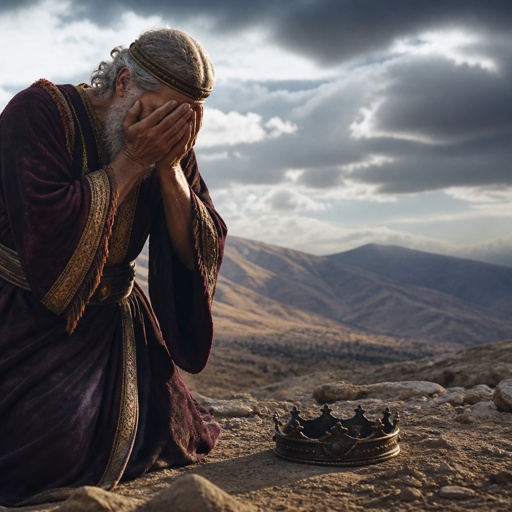
1 Samuel 13:13-14
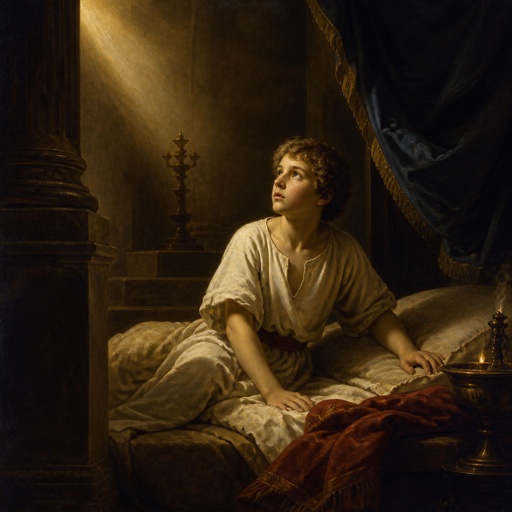
1 Samuel 3:1

1 Samuel 3:21

1 Samuel 3:1
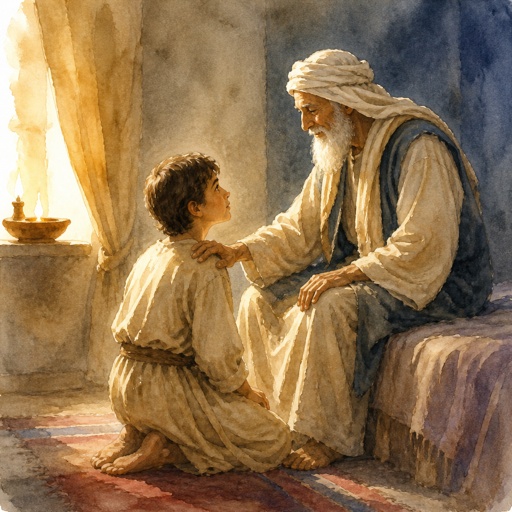
1 Samuel 3:21
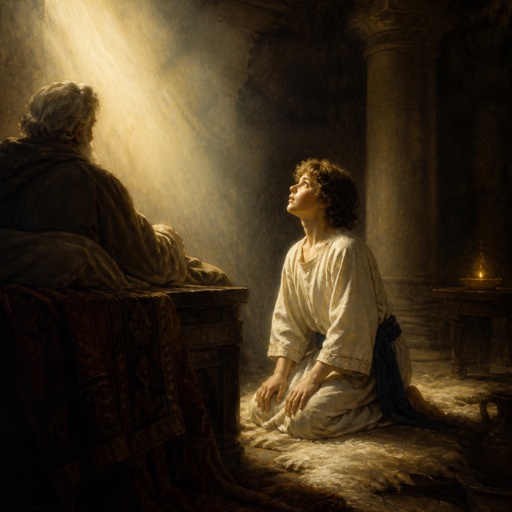
1 Samuel 3:21

1 Samuel 3:21

1 Samuel 16:1–13

1 Samuel 3:1-10
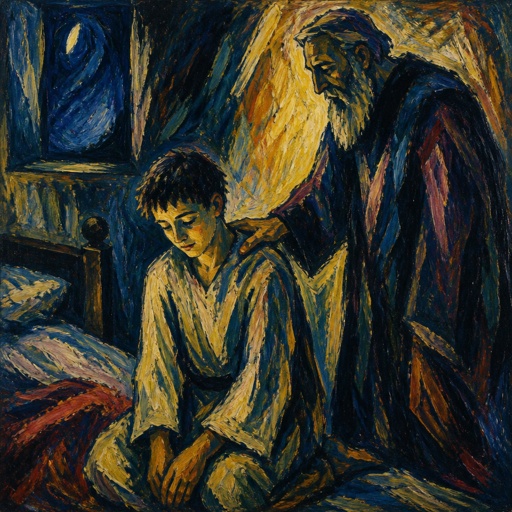
1 Samuel 3:17-18

1 Samuel 3:19-21

1 Samuel 13:11

1 Samuel 12:13

1 Samuel 13:14

1 Samuel 12:13

1 Samuel 3:3 - "And ere the lamp of God went out in the temple of the LORD, where the ark of God was, and Samuel was laid down to sleep;"

1 Samuel 3:10 - "And the LORD came, and stood, and called as at other times, Samuel, Samuel. Then Samuel answered, Speak; for thy servant heareth."

1 Samuel 3:16 - "Then Eli called Samuel, and said, Samuel, my son. And he answered, Here am I."

1 Samuel 3:4 - "That the LORD called Samuel: and he answered, Here am I."

1 Samuel 22:11-13

1 Samuel 3:15 - "¶ And Samuel lay until the morning, and opened the doors of the house of the LORD. And Samuel feared to shew Eli the vision."

1 Samuel 3:1 - "And the child Samuel ministered unto the LORD before Eli. And the word of the LORD was precious in those days; there was no open vision."

1 Samuel 15:13 - "And Samuel came to Saul: and Saul said unto him, Blessed be thou of the LORD: I have performed the commandment of the LORD."

1 Samuel 13:8 - "¶ And he tarried seven days, according to the set time that Samuel had appointed: but Samuel came not to Gilgal; and the people were scattered from him."
1 Samuel 12:3

1 samuel 17:3