Understanding the Teacher's Burden
“Desiring to be teachers of the law; understanding neither what they say, nor whereof they affirm.” — 1 Timothy 1:7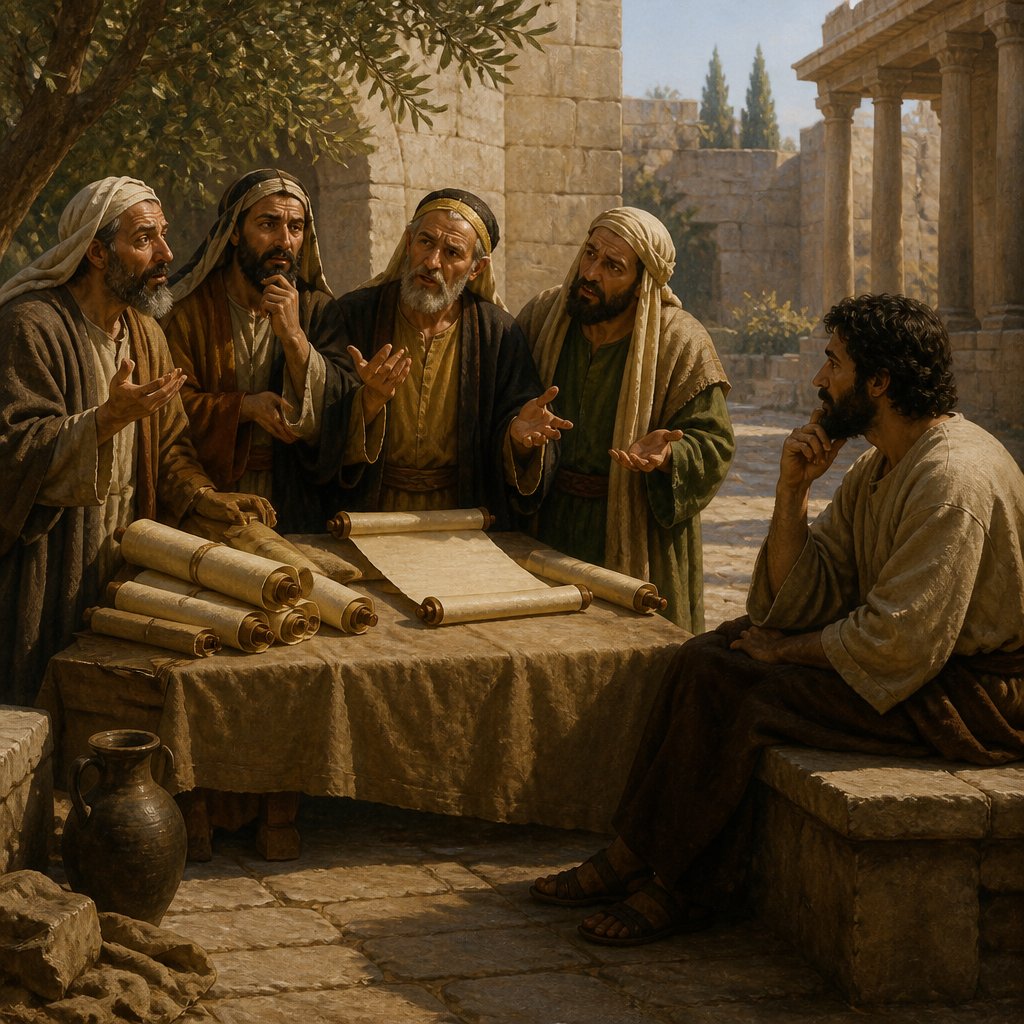
In 1 Timothy 1:7, the Apostle Paul addresses a critical issue within the early Church concerning the responsible teaching of God’s Word. The verse states: "Desiring to be teachers of the law; understanding neither what they say, nor whereof they affirm" (KJV). Here, Paul identifies a troubling trend of individuals who, eager for the title and authority that comes from being educators of the law, find themselves ill-equipped to communicate God's truth.
Paul’s admonition is not merely a matter of intellectual understanding but speaks deeply to the spiritual and moral integrity required of those who seek to teach. The law refers to God's commandments provided in the Old Testament. In the New Testament context, it also encompasses the teachings of Christ and the revelations of grace imparted through the apostles. Teachers of the law bear a heavy responsibility, as their output can either lead others to truth and righteousness or cause confusion and harm.
To desire the role of a teacher is inherently noble; in fact, the New Testament outlines several roles within the body of Christ, and teachers are given a special place among these. James 3:1 warns, "My brethren, be not many masters, knowing that we shall receive the greater condemnation" (KJV). Thus, there is a great weight to consider when one steps into this role. Paul’s concern highlights the importance of genuine understanding and integrity in one’s message.
In considering the actions of those Paul describes in 1 Timothy 1:7, we may be reminded of two critical elements: the heart and the knowledge required for teaching. The heart must be aligned with God’s will; a teacher cannot merely desire the title for personal gain or recognition. Instead, a true teacher must long to see others grow in understanding, faith, and obedience to the Word. This desire must stem from a sincere love for the people they are teaching, reflecting Christ’s compassion and patience.
Equally, the knowledge aspect comes into play heavily. How can one guide others in the truth if they themselves are lost in misunderstanding? This serves as a call to diligence in studying Scripture, seeking understanding through prayer and the guidance of the Holy Spirit. Knowledge is not simply about intellectual acquisition but is deeply spiritual, involving application and reflection in one’s life. The risk of misunderstanding or misrepresenting God’s Word can lead to misguided beliefs and potentially disastrous consequences for those who follow.
Thus, the teacher’s journey is fraught with both high calling and great peril. As 2 Timothy 2:15 exhorts, one must "Study to show thyself approved unto God, a workman that needeth not to be ashamed, rightly dividing the word of truth" (KJV). Each teacher stands not only before their students but ultimately before God in accountability for how they propagate His Word.
Therefore, beloved, as we reflect upon this verse, let us examine our own motives. If you feel drawn to teach, ask yourself whether your desires stem from a genuine passion for God's people and an earnest wish to proclaim His truth or if it leans towards self-promotion.
Moreover, if you are not in a teaching role, support those who are by encouraging them to seek deep biblical knowledge and clarity in their communication. Pray for teachers that they may navigate the intricacies of Scripture and hold tightly to the truths of God’s Word. We all have the potential to influence others, and our lives should reflect the profound teachings of Christ. Let our journey in understanding and sharing the Gospel be marked by humility, a thirst for knowledge, and a heart of service.
Get our apps


Artwork for 1 Timothy 1:7

1 Timothy 1:7 - "Desiring to be teachers of the law; understanding neither what they say, nor whereof they affirm."
"Desiring to be teachers of the law; understanding neither what they say, nor whereof they affirm." - 1 Timothy 1:7

1 Timothy 2:1-7

1 Timothy 2:1-7

2 Timothy 4 7

2 Timothy 1:7

2 Timothy 1:7

2 Timothy 1:7

2 Timothy 1:7

2 Timothy 1:7

2 Timothy 1:7

2 Timothy 1:7

2 Timothy 1:7

2 Timothy 1:7

2 Timothy 1:7

2 Timothy 1:7

2 Timothy 1:7

2 Timothy 1:7

2 Timothy 1:7

2 Timothy 1:7

2 Timothy 1:7

2 Timothy 1:7

2 Timothy 1:7

2 Timothy 1:7

2 Timothy 1:7

2 Timothy 1:7

2 Timothy 1:7

2 Timothy 1:7

2 Timothy 1:7

2 Timothy 1:7