The Humility of Leadership: Embracing Righteousness
“Whereupon the princes of Israel and the king humbled themselves; and they said, The LORD is righteous.” — 2 Chronicles 12:6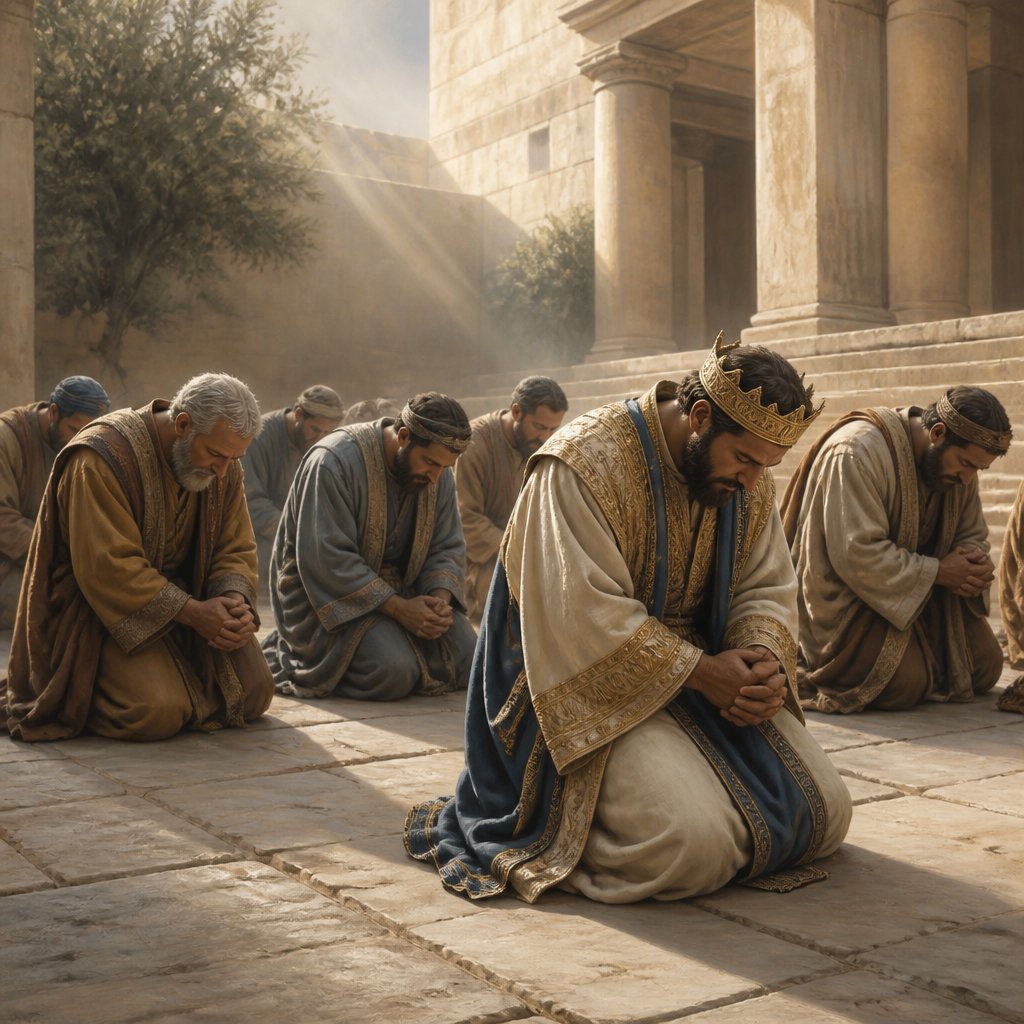
In the midst of his reign, King Rehoboam faced a critical juncture in his leadership. The verse from 2 Chronicles 12:6 states: "Whereupon the princes of Israel and the king humbled themselves; and they said, The LORD is righteous." This moment is not only a pivotal point in the narrative of Israel's history but also a profound reminder of the power of humility and the acknowledgment of God's righteousness.
King Rehoboam, the son of Solomon, became king after a time of great prosperity and wisdom given to his father. However, shortly into his reign, he faced rebellion from the northern tribes due to his heavy-handed policies, which he had attempted to impose on his subjects. The impending conflict forced Rehoboam to confront the reality of his leadership decisions and their repercussions. It is within this financial and political turmoil that we see the weighty act of humility emerge.
The phrase "the princes of Israel and the king humbled themselves" reflects a collective realization that as leaders, they had strayed from the path of righteousness that God had set before them. Instead of reacting defensively or blaming others for their situation, they openly admitted their fault and acknowledged the sovereignty of God. This moment stands as a critical lesson for each of us on the importance of humility in leadership—whether in our homes, workplaces, or communities.
In our modern context, leadership often comes with a facade of strength and invulnerability. It can sometimes lead one to believe that admitting to mistakes or shortcomings may undermine authority or respect. However, the principles laid out in scripture lead us in a different direction. Humility is marked not by weakness but by strength—the strength to admit one’s faults and to acknowledge the rightness of God's authority. The public confession, “The LORD is righteous,” becomes an act of faith. By exalting God’s righteousness, they validated the divine order and recognized that any human authority, no matter how exalted, remains answerable to a higher moral authority—God Himself.
Furthermore, this moment of humility did not go unnoticed. The account continues to show how God responded favorably to their humility and repentance, allowing them to experience mercy despite their failings. In recognizing that “The LORD is righteous,” they placed themselves within the framework of God's justice, favor, and grace. God had not abandoned them; instead, He awaited their return with open arms, teaching us that no matter how far we stray, humility can lead us back into a right relationship with Him.
Embracing humility can be challenging given the pride ingrained within us as individuals and as leaders. However, when we, like Rehoboam and the princes, acknowledge our shortcomings, we open a doorway to reconciliation—not only with God but also with those we lead. In the New Testament, James 4:10 tells us, "Humble yourselves in the sight of the Lord, and he shall lift you up." This promise serves as a reminder that humility ingratiates us into God’s favor and promotes healing and restoration in our lives.
Consider your own life and the areas where pride may be holding you back from embracing a posture of humility. Are there leadership roles where you have resisted accountability or the opportunity to seek forgiveness? Reflect on how acknowledging the Lord's righteousness could reshape not just your relationship with God but with those around you, fostering an environment of respect, trust, and collaboration.
In moments of trial and turmoil, let us not retreat in our pride, but instead choose to humble ourselves before the Lord, recognizing His righteousness. Perhaps it is in our humility that we will discover true strength, guiding ourselves, and consequently, others towards the path that God desires for us all.
Get our apps


Artwork for 2 Chronicles 12:6

2 Chronicles 12:6 - "Whereupon the princes of Israel and the king humbled themselves; and they said, The LORD is righteous."
"Whereupon the princes of Israel and the king humbled themselves; and they said, The LORD is righteous." - 2 Chronicles 12:6

2 Chronicles 6:12 - "¶ And he stood before the altar of the LORD in the presence of all the congregation of Israel, and spread forth his hands:"

1 Chronicles 6:12 - "And Ahitub begat Zadok, and Zadok begat Shallum,"

1 Chronicles 12:6 - "Elkanah, and Jesiah, and Azareel, and Joezer, and Jashobeam, the Korhites,"

2 chronicles 13:12

2 Chronicles 6:13
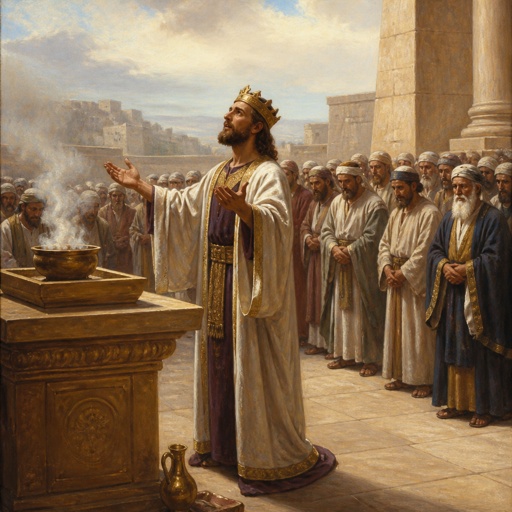
"¶ And he stood before the altar of the LORD in the presence of all the congregation of Israel, and spread forth his hands:" - 2 Chronicles 6:12
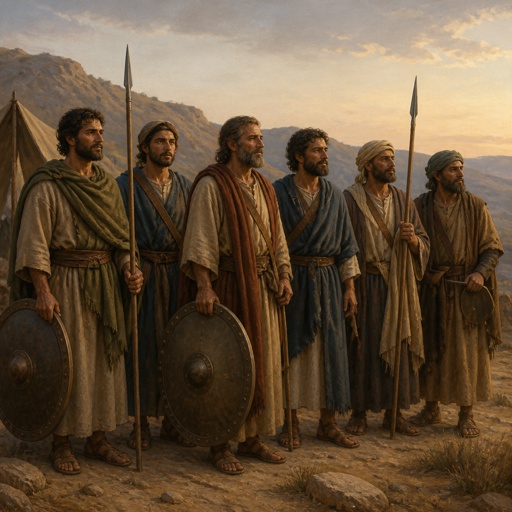
"Elkanah, and Jesiah, and Azareel, and Joezer, and Jashobeam, the Korhites," - 1 Chronicles 12:6

1 Chronicles 2:12 - "And Boaz begat Obed, and Obed begat Jesse,"

2 Chronicles 6:2 - "But I have built an house of habitation for thee, and a place for thy dwelling for ever."

Isaiah 12:2-6

Isaiah 12:2-6

Isaiah 12:2-6

ecclesiastes 12:2-6

Isaiah 12:2-6

Isaiah 12:2-6

Isaiah 12:2-6

1 Chronicles 6:2 - "And the sons of Kohath; Amram, Izhar, and Hebron, and Uzziel."

2 Chronicles 6:6 - "But I have chosen Jerusalem, that my name might be there; and have chosen David to be over my people Israel."

2 Chronicles 11:6 - "He built even Beth-lehem, and Etam, and Tekoa,"
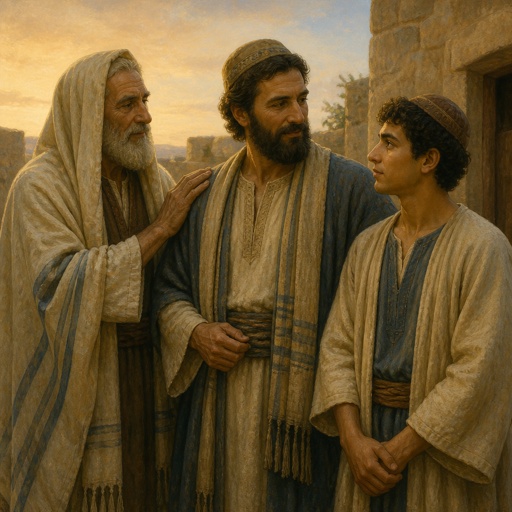
"And Ahitub begat Zadok, and Zadok begat Shallum," - 1 Chronicles 6:12

2 Chronicles 6:35 - "Then hear thou from the heavens their prayer and their supplication, and maintain their cause."

2 Chronicles 12:4 - "And he took the fenced cities which pertained to Judah, and came to Jerusalem."

2 Chronicles 17:12 - "¶ And Jehoshaphat waxed great exceedingly; and he built in Judah castles, and cities of store."

2 Chronicles 3:6 - "And he garnished the house with precious stones for beauty: and the gold was gold of Parvaim."

2 Chronicles 14:12 - "So the LORD smote the Ethiopians before Asa, and before Judah; and the Ethiopians fled."

2 Chronicles 15:12 - "And they entered into a covenant to seek the LORD God of their fathers with all their heart and with all their soul;"

2 Chronicles 12:14 - "And he did evil, because he prepared not his heart to seek the LORD."

2 Chronicles 12:12 - "And when he humbled himself, the wrath of the LORD turned from him, that he would not destroy him altogether: and also in Judah things went well."