Faith Amidst Opposition: Inheriting God’s Promises
"Behold, I say, how they reward us, to come to cast us out of thy possession, which thou hast given us to inherit." - 2 Chronicles 20:11
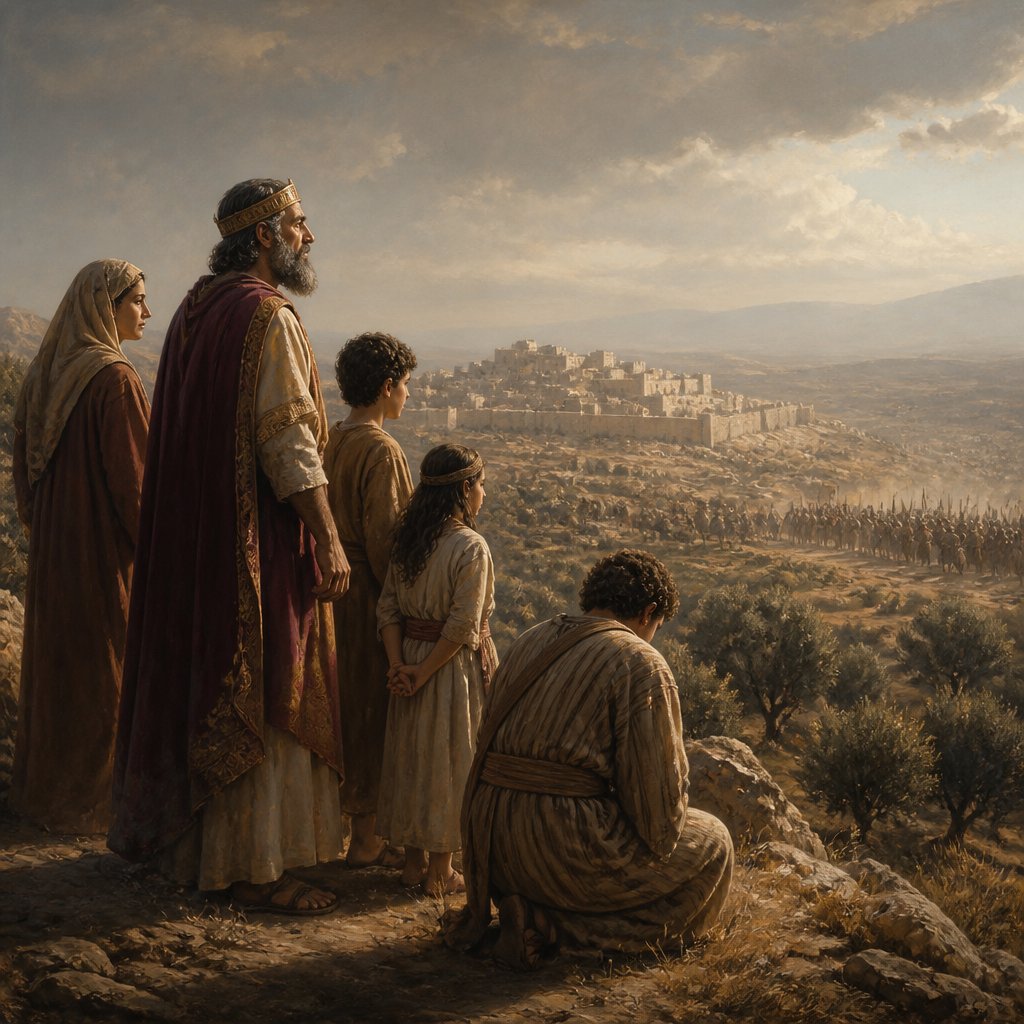
The passage found in 2 Chronicles 20:11 reads: "Behold, I say, how they reward us, to come to cast us out of thy possession, which thou hast given us to inherit." As we delve into the context of this verse, we find ourselves amid a dramatic and tumultuous moment in the history of Judah under King Jehoshaphat’s reign. The nation faces an overwhelming threat from a coalition of enemy nations bent on destruction. In this moment of crisis, Jehoshaphat turns to God, acknowledging their rightful position as inheritors of the promised land while simultaneously confronting the reality of their dire situation.
This verse encapsulates a profound prayer of desperation, emphasizing a key theme in the biblical narrative—God’s people are often faced with opposition that challenges their identity as His chosen ones. Jehoshaphat’s concern is not merely for the physical safety of Judah, but more so for their spiritual standing as they confront forces that seem aimed at removing them from the land that God had graciously granted. The implications of the phrase "cast us out of thy possession" resonate deeply with our understanding of spiritual inheritance. As believers, we are promised a spiritual inheritance, encapsulated in our relationship with God and the strength of His presence in our lives.
The historical and theological significance of this verse underscores a vital truth for all believers today: we are heirs to God’s promises, but these promises can sometimes lead to struggles and conflict, especially when faced with spiritual adversaries. Just as Jehoshaphat acknowledged the enemy’s intention to seize what God had given, we too face challenges that threaten our peace, joy, and understanding of our inheritance in Christ.
In the face of these battles, it is significant how Jehoshaphat responds. Instead of resorting to human tactics or fearful strategies, he humbles himself before God. He seeks the Lord and reminds Him of His covenant with Israel, indicating a relational approach that shows trust in God’s sovereign authority. This scene invites us to reflect upon our own responses in times of trial. Do we immediately turn to God for wisdom and guidance, or do we try to maneuver through problems on our own?
The verse serves as a reminder of the spiritual warfare we encounter in our lives. Just as Jehoshaphat faced literal enemies, we wrestle daily against spiritual forces that may seek to undermine our faith and rob us of our inheritance. Ephesians 6:12 says, "For we wrestle not against flesh and blood, but against principalities, against powers, against the rulers of the darkness of this world, against spiritual wickedness in high places." We must be vigilant, as our struggles may not always be visible but are deeply felt in our spirit and mind.
Moreover, this passage teaches us the importance of community and collective prayer. Jehoshaphat gathered the people, encouraging them to cry out to God together. This unity in prayer is powerful and reflected in James 5:16, which encourages believers to pray for one another. In times of crisis, seeking support from fellow believers can help bolster our faith and remind us of the collective inheritance we have as members of the body of Christ.
As we meditate on “how they reward us,” let us recognize that the world often retaliates against God’s people. However, we are assured that the battle is not ours but God’s, and He ultimately defends His inheritance. Therefore, let us approach our challenges with faith, remembering that we are engaged in a divine struggle, guided by His Spirit, assured of His promises.
In conclusion, let the cry of Jehoshaphat resonate in our hearts as we face various challenges. His prayer reflects a position of trust in God’s sovereignty, and as we navigate our own trials, we can do so by laying bare our fears before our God—who is faithful to uphold and protect His possession: His people. Let us reaffirm our commitment to the Lord, acknowledging our reliance on Him to inherit the promises He has so graciously prepared for us.
Want to reflect more on 2 Chronicles 20:11?
Continue your spiritual journey with Bible Chat — an AI-powered tool for exploring God's Word through conversation. Ask questions, discover connections, and deepen your understanding.
Get Our Apps


2 Chronicles 20:11 Artwork

2 Chronicles 20:11 - "Behold, I say, how they reward us, to come to cast us out of thy possession, which thou hast given us to inherit."
"Behold, I say, how they reward us, to come to cast us out of thy possession, which thou hast given us to inherit." - 2 Chronicles 20:11

2 Chronicles 11:20

2 Chronicles 11:20 - "And after her he took Maachah the daughter of Absalom; which bare him Abijah, and Attai, and Ziza, and Shelomith."

2 Chronicles 20:37

2 Chronicles 20:28

2 Chronicles 20:21

2 Chronicles 20:18

Acts 20:11

2 Chronicles 30:20 - "And the LORD hearkened to Hezekiah, and healed the people."

2 Chronicles 35:11

2 Chronicles 11:2 - "But the word of the LORD came to Shemaiah the man of God, saying,"

2 Chronicles 11:8 - "And Gath, and Mareshah, and Ziph,"

2 Chronicles 11:9 - "And Adoraim, and Lachish, and Azekah,"

1 Chronicles 2:20 - "And Hur begat Uri, and Uri begat Bezaleel."

"And after her he took Maachah the daughter of Absalom; which bare him Abijah, and Attai, and Ziza, and Shelomith." - 2 Chronicles 11:20

2 Chronicles 11:7 - "And Beth-zur, and Shoco, and Adullam,"

2 Chronicles 11:11 - "And he fortified the strong holds, and put captains in them, and store of victual, and of oil and wine."

2 Chronicles 20:28 - "And they came to Jerusalem with psalteries and harps and trumpets unto the house of the LORD."

1 Chronicles 2:11 - "And Nahshon begat Salma, and Salma begat Boaz,"

2 Chronicles 20:13 - "And all Judah stood before the LORD, with their little ones, their wives, and their children."

2 Chronicles 32:20 - "And for this cause Hezekiah the king, and the prophet Isaiah the son of Amoz, prayed and cried to heaven."

2 Kings 20:20 - "¶ And the rest of the acts of Hezekiah, and all his might, and how he made a pool, and a conduit, and brought water into the city, are they not written in the book of the chronicles of the kings of Judah?"

2 Chronicles 11:19 - "Which bare him children; Jeush, and Shamariah, and Zaham."

2 Chronicles 11:5 - "¶ And Rehoboam dwelt in Jerusalem, and built cities for defence in Judah."

2 Chronicles 20:5 - "¶ And Jehoshaphat stood in the congregation of Judah and Jerusalem, in the house of the LORD, before the new court,"

2 Chronicles 20:8 - "And they dwelt therein, and have built thee a sanctuary therein for thy name, saying,"

2 Chronicles 11:6 - "He built even Beth-lehem, and Etam, and Tekoa,"

2 Chronicles 29:20 - "¶ Then Hezekiah the king rose early, and gathered the rulers of the city, and went up to the house of the LORD."

2 Chronicles 20:3 - "And Jehoshaphat feared, and set himself to seek the LORD, and proclaimed a fast throughout all Judah."