The Heart of Worship: Lessons from Hezekiah's Reform
“And Hezekiah commanded to offer the burnt offering upon the altar. And when the burnt offering began, the song of the LORD began also with the trumpets, and with the instruments ordained by David king of Israel.” — 2 Chronicles 29:27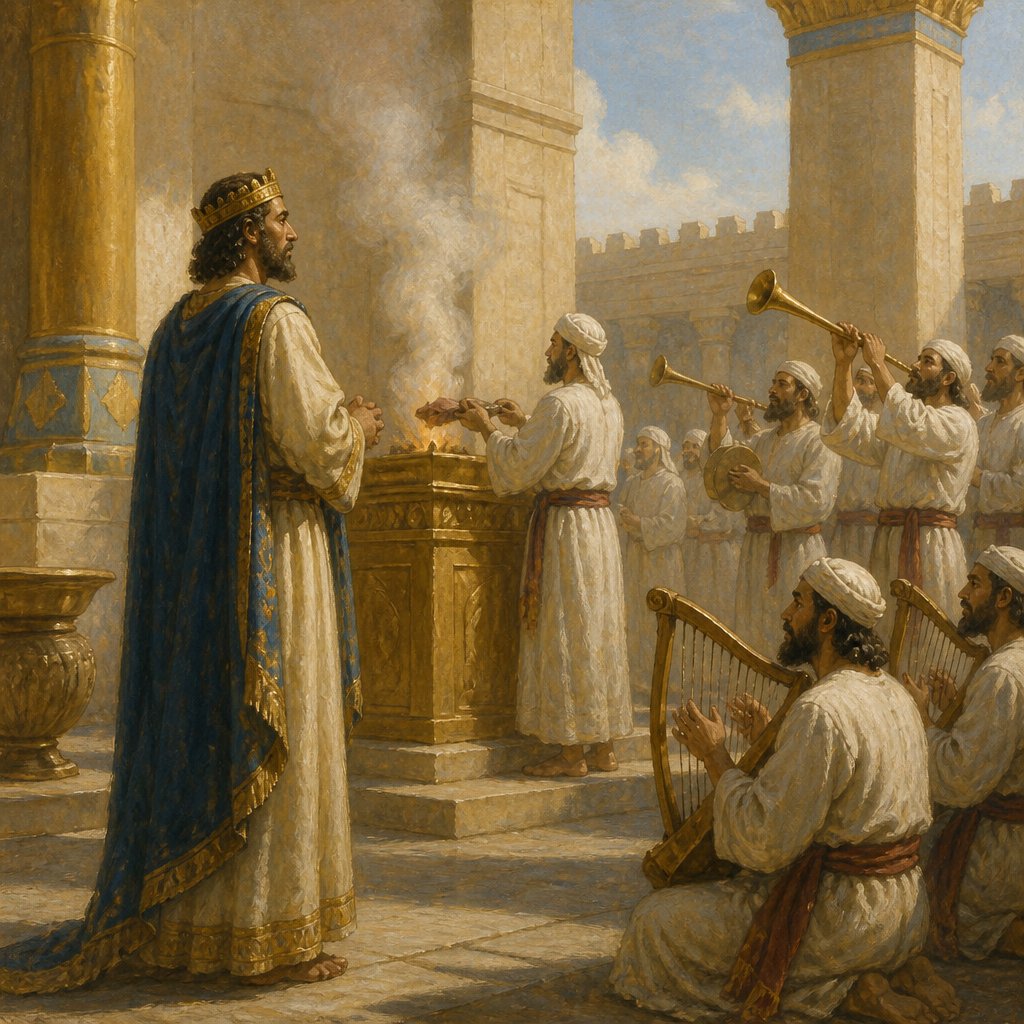
In the chronicles of the kings of Judah, the reign of King Hezekiah stands out as a pivotal moment of revival and restoration. The verse from 2 Chronicles 29:27 invites us into a significant act of worship: "And Hezekiah commanded to offer the burnt offering upon the altar. And when the burnt offering began, the song of the LORD began also with the trumpets, and with the instruments ordained by David king of Israel." This passage speaks of an ancient practice that brings forth profound truths about worship, sacrifice, and God’s holiness.
To fully appreciate the context of this moment, we must remember that Hezekiah ascended to the throne after his father, Ahaz, who had led the people of Judah into idolatry and spiritual ruin. The temple had fallen into disrepair, and the worship of the true God had been neglected. In stark contrast, Hezekiah models a returned heart—to God, and he initiates a process of sanctification and restoration not just for the temple, but for the entire nation.
The burnt offering is a critical element of Old Testament worship. It symbolizes complete surrender to God, as the entire animal was consumed by fire, signifying the worshipper's desire to be wholly devoted to Him. Similarly, our worship in the modern context should embody surrender and commitment. When we come before God, it is imperative that we bring our whole selves—our successes, failures, desires, and struggles. We must ask ourselves: Are we willing to lay down our lives as a living sacrifice? Romans 12:1 compels us to do just that: "I beseech you therefore, brethren, by the mercies of God, that ye present your bodies a living sacrifice, holy, acceptable unto God, which is your reasonable service."
As the burnt offerings began on that dedicated day, a remarkable sound emerged—the song of the LORD filled the atmosphere via trumpets and instruments ordained by King David. Here we see the interconnectedness of worship—the act of offering and the act of worshipful singing. Worship is not merely a solo act; it is a collective expression of God’s people acknowledging His greatness and responding to His presence. The use of trumpets, and instruments, particularly those designated by David, connects us back to God’s desire for worship that transcends mere obligation.
To effectively worship God, we must use the instruments He has provided us—our voices, our talents, and our hearts. Worship is not confined to a building; it spills into our everyday lives. As we work, engage our families, or walk in our communities, our lives can be a continual song unto the LORD. Colossians 3:16 encourages us to let the Word of Christ dwell in us richly, teaching and admonishing one another in psalms and hymns and spiritual songs. Are we filling our space with praise? Are we allowing the truth of God’s Word to resonate within our hearts?
Hezekiah’s actions reflect deep reverence for God’s holiness. The meticulous restoration of worship practices serves as a reminder for us today: our approach to God should come with an understanding of His majesty and the awe it inspires.
As we strive to cultivate a heart of worship, let us also learn from Hezekiah’s leadership. He didn’t lead the nation back to God in isolation; he invited them to participate in the celebration of God’s faithfulness and power. True worship is infectious; it encourages and invites others into the presence of the Almighty. Can our worship serve as an invitation for our families, friends, and neighbors to discover the beauty of God’s grace and mercy?
As we reflect on 2 Chronicles 29:27, let’s commit anew to present ourselves as living sacrifices, embrace the instruments of praise God has given us, and lead others into the song of the LORD. May our lives be a testament of continuous worship, echoing the truths of God’s character and drawing others closer to Him.
Get our apps


Artwork for 2 Chronicles 29:27

2 Chronicles 29:27 - "And Hezekiah commanded to offer the burnt offering upon the altar. And when the burnt offering began, the song of the LORD began also with the trumpets, and with the instruments ordained by David king of Israel."
"And Hezekiah commanded to offer the burnt offering upon the altar. And when the burnt offering began, the song of the LORD began also with the trumpets, and with the instruments ordained by David king of Israel." - 2 Chronicles 29:27

1 Chronicles 27:29 - "And over the herds that fed in Sharon was Shitrai the Sharonite: and over the herds that were in the valleys was Shaphat the son of Adlai:"

1 Chronicles 29:27 - "And the time that he reigned over Israel was forty years; seven years reigned he in Hebron, and thirty and three years reigned he in Jerusalem."

2 Chronicles 29:29 - "And when they had made an end of offering, the king and all that were present with him bowed themselves, and worshipped."

2 Chronicles 29:26 - "And the Levites stood with the instruments of David, and the priests with the trumpets."

2 Chronicles 29:13 - "And of the sons of Elizaphan; Shimri, and Jeiel: and of the sons of Asaph; Zechariah, and Mattaniah:"

2 Chronicles 34:29 - "¶ Then the king sent and gathered together all the elders of Judah and Jerusalem."

2 Chronicles 29:14 - "And of the sons of Heman; Jehiel, and Shimei: and of the sons of Jeduthun; Shemaiah, and Uzziel."

2 Chronicles 29:2 - "And he did that which was right in the sight of the LORD, according to all that David his father had done."

2 Chronicles 29:33 - "And the consecrated things were six hundred oxen and three thousand sheep."

2 Chronicles 29:4 - "And he brought in the priests and the Levites, and gathered them together into the east street,"

1 Chronicles 2:29 - "And the name of the wife of Abishur was Abihail, and she bare him Ahban, and Molid."

1 Chronicles 2:27 - "And the sons of Ram the firstborn of Jerahmeel were, Maaz, and Jamin, and Eker."

2 Chronicles 29:20 - "¶ Then Hezekiah the king rose early, and gathered the rulers of the city, and went up to the house of the LORD."

2 Chronicles 29:36 - "And Hezekiah rejoiced, and all the people, that God had prepared the people: for the thing was done suddenly."

2 Chronicles 35:27 - "And his deeds, first and last, behold, they are written in the book of the kings of Israel and Judah."

2 Chronicles 27:4 - "Moreover he built cities in the mountains of Judah, and in the forests he built castles and towers."

2 Chronicles 27:3 - "He built the high gate of the house of the LORD, and on the wall of Ophel he built much."

2 Chronicles 29:23 - "And they brought forth the he goats for the sin offering before the king and the congregation; and they laid their hands upon them:"

2 Chronicles 29:9 - "For, lo, our fathers have fallen by the sword, and our sons and our daughters and our wives are in captivity for this."

2 Chronicles 29:28 - "And all the congregation worshipped, and the singers sang, and the trumpeters sounded: and all this continued until the burnt offering was finished."

2 Chronicles 29:15 - "And they gathered their brethren, and sanctified themselves, and came, according to the commandment of the king, by the words of the LORD, to cleanse the house of the LORD."

2 Chronicles 29:3 - "¶ He in the first year of his reign, in the first month, opened the doors of the house of the LORD, and repaired them."

2 Chronicles 20:29 - "And the fear of God was on all the kingdoms of those countries, when they had heard that the LORD fought against the enemies of Israel."

2 Chronicles 27:6 - "So Jotham became mighty, because he prepared his ways before the LORD his God."

2 Chronicles 27:8 - "He was five and twenty years old when he began to reign, and reigned sixteen years in Jerusalem."
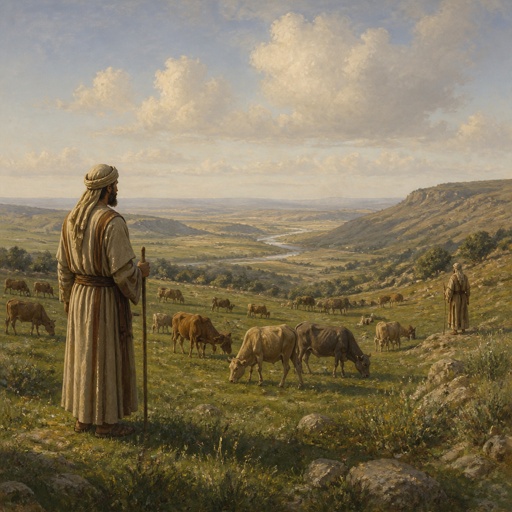
"And over the herds that fed in Sharon was Shitrai the Sharonite: and over the herds that were in the valleys was Shaphat the son of Adlai:" - 1 Chronicles 27:29

2 Chronicles 9:27 - "And the king made silver in Jerusalem as stones, and cedar trees made he as the sycomore trees that are in the low plains in abundance."

1 Chronicles 27:2 - "Over the first course for the first month was Jashobeam the son of Zabdiel: and in his course were twenty and four thousand."