The Power of Humility in Affliction
“And when he was in affliction, he besought the LORD his God, and humbled himself greatly before the God of his fathers,” — 2 Chronicles 33:12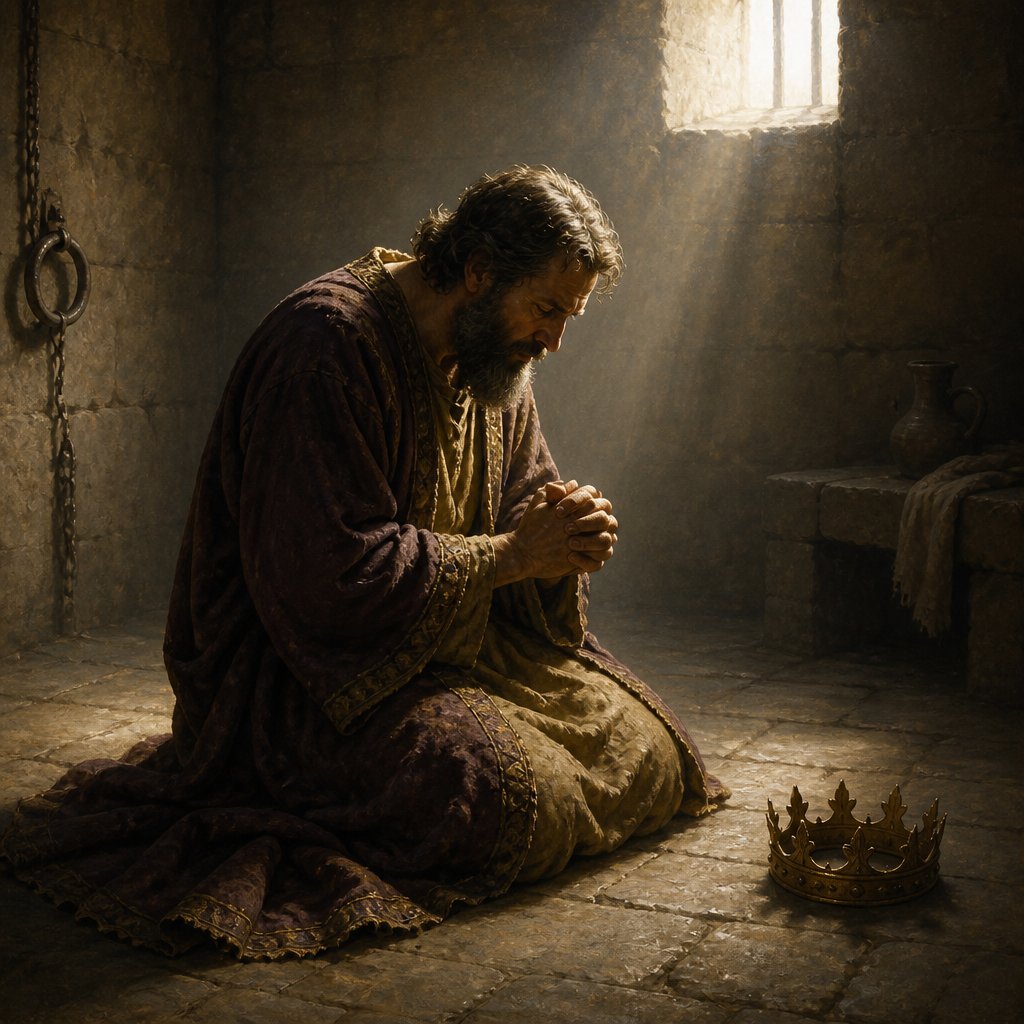
In the great tapestry of Biblical history, the account of King Manasseh, as recorded in 2 Chronicles 33:12, shines a compelling light on the transformative power of humility and repentance. The verse reads: "And when he was in affliction, he besought the LORD his God, and humbled himself greatly before the God of his fathers." This poignant moment in Manasseh’s life encapsulates a profound spiritual truth about the human condition: it is often through our darkest hours that we encounter the profound grace of God.
King Manasseh was one of the most wicked kings of Judah, leading his people into idolatry, immorality, and a slew of other sins that provoked the anger of the Lord. His reign was marked by the installation of pagan worship practices, the shedding of innocent blood, and a complete disregard for the covenant promises of God. Yet, it was not until Manasseh succumbed to affliction—likely as a result of his own sinful choices—that he came to a crucial turning point in his life.
Herein lies a significant lesson for us: affliction, while painful, can also be a clarifying moment where we are stripped of our pride and self-sufficiency. Manasseh found himself in dire circumstances, a posture that would prompt him to genuinely seek the presence of God. In our lives, we often prefer to navigate our troubles alone, relying on our power, resources, or intellect. However, the reality is that God often allows us to face hardships to draw us back to Him.
The verse indicates that during his affliction, Manasseh "besought the LORD his God." This phrase implies a deep longing and earnestness in his appeal. He didn’t just call out in passing; he actively sought out God with intent and desperation. In our own trials, we must ask ourselves if we are bold enough to turn our hearts fully to God. Do we genuinely seek Him, or have we relegated our prayer life to mere obligation?
To "humble himself greatly" speaks volumes about his state of mind. Humility is a powerful force; it acknowledges our weaknesses, our failures, and it recognizes God’s sovereignty in our lives. In James 4:10, we are reminded, "Humble yourselves in the sight of the Lord, and he shall lift you up." When Manasseh humbled himself before God, he opened the door for divine intervention. True humility is not just a feeling; it's a radical reorientation of the heart that aligns our will with God's.
One of the most beautiful aspects of this passage is the assurance that, no matter how far we may have strayed, sincere repentance and a humble heart always lead us to forgiveness. Manasseh’s life illustrates this truth; through his humility and appeal to God during his affliction, he experienced a profound restoration. Not only did he find mercy, but he was also able to lead his nation back toward righteousness. He became a testament to the redemptive power of God’s grace.
In our lives, we will face afflictions—whether they arise from personal choices, the brokenness of the world, or unforeseen circumstances. It is in these moments that God invites us to turn back to Him. If we submit ourselves to Him, seeking His presence and mercy, we can experience the same restoration and grace that Manasseh did.
In conclusion, let us take to heart the lessons from Manasseh's life. Instead of fleeing from our afflictions, let us embrace them as opportunities to draw closer to God, to humble ourselves, and to seek His face with earnest hearts. God is always waiting, ready to lift us from our despair and restore our souls, just as he did for King Manasseh.
Get our apps


Artwork for 2 Chronicles 33:12

2 Chronicles 33:12 - "And when he was in affliction, he besought the LORD his God, and humbled himself greatly before the God of his fathers,"
"And when he was in affliction, he besought the LORD his God, and humbled himself greatly before the God of his fathers," - 2 Chronicles 33:12

1 Chronicles 2:33 - "And the sons of Jonathan; Peleth, and Zaza. These were the sons of Jerahmeel."

2 Chronicles 33:10 - "And the LORD spake to Manasseh, and to his people: but they would not hearken."

2 Chronicles 29:33 - "And the consecrated things were six hundred oxen and three thousand sheep."

2 Chronicles 33:5 - "And he built altars for all the host of heaven in the two courts of the house of the LORD."

2 Chronicles 33:24 - "And his servants conspired against him, and slew him in his own house."

1 Chronicles 12:33 - "Of Zebulun, such as went forth to battle, expert in war, with all instruments of war, fifty thousand, which could keep rank: they were not of double heart."

2 Chronicles 33:2 - "But did that which was evil in the sight of the LORD, like unto the abominations of the heathen, whom the LORD had cast out before the children of Israel."

2 Chronicles 33:17 - "Nevertheless the people did sacrifice still in the high places, yet unto the LORD their God only."

2 Chronicles 33:21 - "¶ Amon was two and twenty years old when he began to reign, and reigned two years in Jerusalem."

2 Chronicles 20:33 - "Howbeit the high places were not taken away: for as yet the people had not prepared their hearts unto the God of their fathers."

2 Chronicles 33:23 - "And humbled not himself before the LORD, as Manasseh his father had humbled himself; but Amon trespassed more and more."

2 Chronicles 33:1 - "Manasseh was twelve years old when he began to reign, and he reigned fifty and five years in Jerusalem:"

2 chronicles 13:12

2 Chronicles 33:4 - "Also he built altars in the house of the LORD, whereof the LORD had said, In Jerusalem shall my name be for ever."

2 Chronicles 33:20 - "¶ So Manasseh slept with his fathers, and they buried him in his own house: and Amon his son reigned in his stead."

2 Chronicles 33:16 - "And he repaired the altar of the LORD, and sacrificed thereon peace offerings and thank offerings, and commanded Judah to serve the LORD God of Israel."

"And the LORD spake to Manasseh, and to his people: but they would not hearken." - 2 Chronicles 33:10

"And the sons of Jonathan; Peleth, and Zaza. These were the sons of Jerahmeel." - 1 Chronicles 2:33

2 Chronicles 33:9 - "So Manasseh made Judah and the inhabitants of Jerusalem to err, and to do worse than the heathen, whom the LORD had destroyed before the children of Israel."

1 Chronicles 2:12 - "And Boaz begat Obed, and Obed begat Jesse,"

2 Chronicles 33:25 - "¶ But the people of the land slew all them that had conspired against king Amon; and the people of the land made Josiah his son king in his stead."

2 Chronicles 33:13 - "And prayed unto him: and he was intreated of him, and heard his supplication, and brought him again to Jerusalem into his kingdom. Then Manasseh knew that the LORD he was God."

2 Chronicles 33:11 - "¶ Wherefore the LORD brought upon them the captains of the host of the king of Assyria, which took Manasseh among the thorns, and bound him with fetters, and carried him to Babylon."

2 Chronicles 12:6 - "Whereupon the princes of Israel and the king humbled themselves; and they said, The LORD is righteous."

2 Chronicles 33:15 - "And he took away the strange gods, and the idol out of the house of the LORD, and all the altars that he had built in the mount of the house of the LORD, and in Jerusalem, and cast them out of the city."

2 Chronicles 12:4 - "And he took the fenced cities which pertained to Judah, and came to Jerusalem."

"And the consecrated things were six hundred oxen and three thousand sheep." - 2 Chronicles 29:33

2 Chronicles 33:18 - "¶ Now the rest of the acts of Manasseh, and his prayer unto his God, and the words of the seers that spake to him in the name of the LORD God of Israel, behold, they are written in the book of the kings of Israel."