The Significance of the Passover: A Memorial of Deliverance
“And the children of Israel that were present kept the passover at that time, and the feast of unleavened bread seven days.” — 2 Chronicles 35:17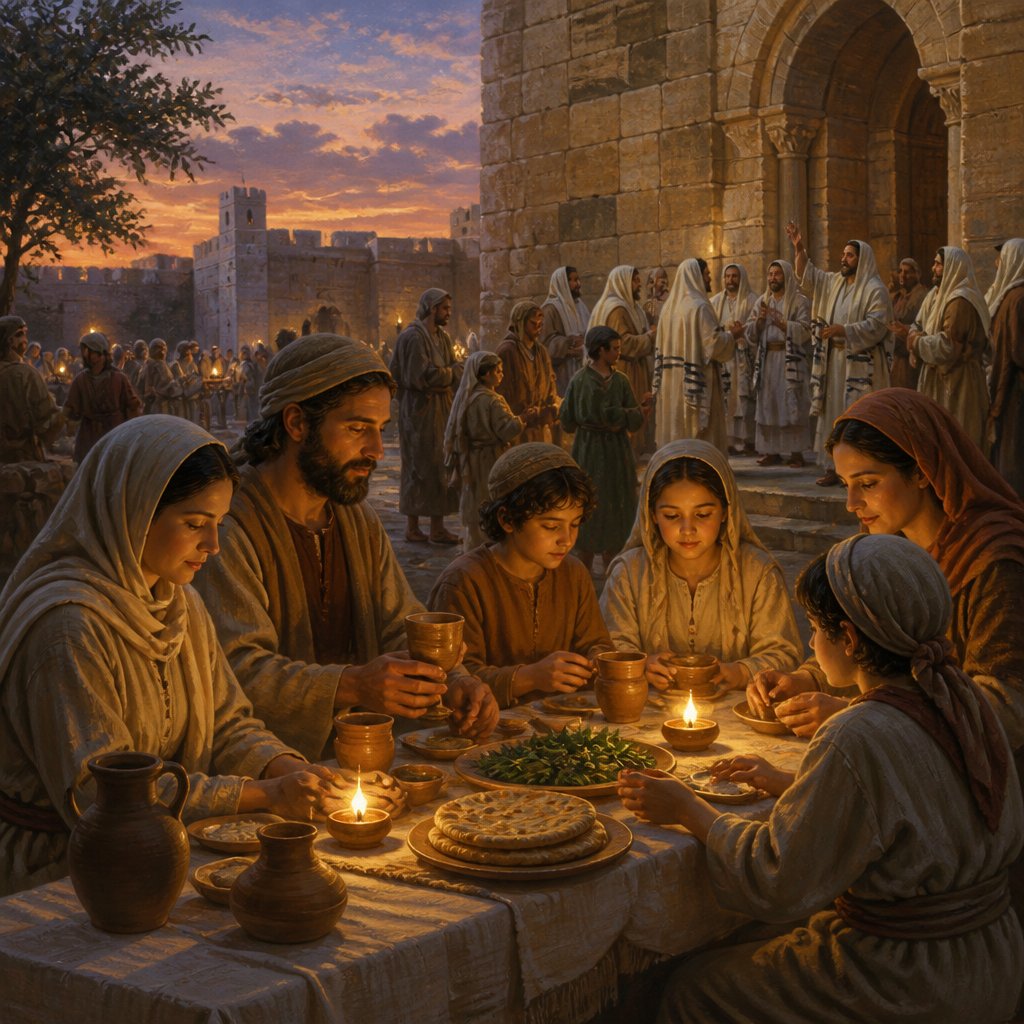
As we read 2 Chronicles 35:17, ‘And the children of Israel that were present kept the passover at that time, and the feast of unleavened bread seven days,’ we are transported back to a profound moment in Israel's history. This passage encapsulates a significant event rooted deeply in Israel's identity and faith. The observance of the Passover and the accompanying Feast of Unleavened Bread serves not only as a commemoration of past deliverance but also as a divine invitation to remember, reflect, and recommit ourselves to God’s covenant.
The practice of the Passover dates back to the Exodus when God delivered His people from the bondage of slavery in Egypt. God commanded the Israelites to sacrifice a lamb and sprinkle its blood on their doorposts as a sign of obedience and faith. This act was their protection against the final plague that struck Egypt, the death of the firstborn. The Passover became a pivotal moment where God intervened and demonstrated His power, mercy, and faithfulness. Thus, every year, the Israelites were called to remember that night with a feast, ensuring they would never forget the great deliverance God accomplished for them.
In 2 Chronicles, King Josiah is reestablishing the worship of Yahweh after a prolonged period of neglect and idolatry. This particular celebration of Passover is significant because it marks a return to the true worship of God. It was more than a mere ritual; it was a powerful acknowledgment of the covenant relationship between God and His people. The gathering of the children of Israel to observe the Passover demonstrates unity among those who had returned to Jerusalem for this important occasion.
Observing the feast for seven days signifies a complete and thorough remembrance of God’s goodness. Biblical numerology often associates the number seven with perfection and completion. Thus, the seven-day feast was a deliberate act of worship, a time to reflect on God’s grace, and a reminder that His deliverance was complete. For us, observing the Lord's Supper and celebrating Easter, which parallels the Passover in significance, should fill our hearts with reverence for the salvation we have through Jesus Christ.
In today's context, the Passover teaches us the importance of remembrance. Just as the Israelites were called to remember God’s saving acts, we too must reflect on the works of God in our lives. Thanksgiving is an essential attitude that often accompanies remembrance. As we think of the Passover, we contemplate our own salvation through Christ — His sacrificial death, His resurrection, and the hope of eternal life.
The Feast of Unleavened Bread that followed the Passover carries the lesson of purification. Leaven in the biblical metaphor often represents sin and corruption. Removing it from the home symbolizes the need for self-examination and repentance. In our spiritual lives, what might be the leaven that needs to be removed? What habits, thoughts, or behaviors detract from our relationship with God? The seven days of the feast remind us that sanctification is a process, a journey that requires dedication and perseverance. Just as the Israelites set aside time to focus on worship, we must also set aside time for God, ensuring we are carving out space to address the leaven that needs to be purged from our hearts.
Furthermore, the communal aspect of the Passover celebration points us towards the importance of fellowship in our faith journey. The gathering of the children of Israel reaffirms the value of community. In our lives, we are called to bear one another’s burdens, encourage one another, and celebrate together the grace that Christ pours into our lives.
In conclusion, 2 Chronicles 35:17 is not just an account of historical obedience; it calls us to actively remember our own deliverance and reassess our walk with God. As we reflect on the significance of the Passover and the Feast of Unleavened Bread, may we also embrace the lessons of remembrance, purification, and community, grounding our lives in the faithfulness of our God.
Get our apps


Artwork for 2 Chronicles 35:17

2 Chronicles 35:17 - "And the children of Israel that were present kept the passover at that time, and the feast of unleavened bread seven days."
"And the children of Israel that were present kept the passover at that time, and the feast of unleavened bread seven days." - 2 Chronicles 35:17
2 Chronicles 35:23

2 Chronicles 35:10

2 Chronicles 35:11

2 Chronicles 35:2 - "And he set the priests in their charges, and encouraged them to the service of the house of the LORD,"

2 Chronicles 35:19 - "In the eighteenth year of the reign of Josiah was this passover kept."

2 Chronicles 6:35 - "Then hear thou from the heavens their prayer and their supplication, and maintain their cause."

2 Chronicles 35:27 - "And his deeds, first and last, behold, they are written in the book of the kings of Israel and Judah."

2 Chronicles 35:10 - "So the service was prepared, and the priests stood in their place, and the Levites in their courses, according to the king's commandment."

2 Chronicles 35:26 - "Now the rest of the acts of Josiah, and his goodness, according to that which was written in the law of the LORD,"

1 Chronicles 2:35 - "And Sheshan gave his daughter to Jarha his servant to wife; and she bare him Attai."

2 Chronicles 35:1 - "Moreover Josiah kept a passover unto the LORD in Jerusalem: and they killed the passover on the fourteenth day of the first month."

2 Chronicles 23:17

2 Chronicles 23:17

2 Chronicles 35:5 - "And stand in the holy place according to the divisions of the families of the fathers of your brethren the people, and after the division of the families of the Levites."

2 Chronicles 20:35 - "¶ And after this did Jehoshaphat king of Judah join himself with Ahaziah king of Israel, who did very wickedly:"

2 Chronicles 35:6 - "So kill the passover, and sanctify yourselves, and prepare your brethren, that they may do according to the word of the LORD by the hand of Moses."

2 Chronicles 35:23 - "And the archers shot at king Josiah; and the king said to his servants, Have me away; for I am sore wounded."

"In the eighteenth year of the reign of Josiah was this passover kept." - 2 Chronicles 35:19

"And he set the priests in their charges, and encouraged them to the service of the house of the LORD," - 2 Chronicles 35:2

2 Chronicles 17:17 - "And of Benjamin; Eliada a mighty man of valour, and with him armed men with bow and shield two hundred thousand."

2 Chronicles 35:4 - "And prepare yourselves by the houses of your fathers, after your courses, according to the writing of David king of Israel, and according to the writing of Solomon his son."

2 Chronicles 35:13 - "And they roasted the passover with fire according to the ordinance: but the other holy offerings sod they in pots, and in caldrons, and in pans, and divided them speedily among all the people."

2 Chronicles 35:12 - "And they removed the burnt offerings, that they might give according to the divisions of the families of the people, to offer unto the LORD, as it is written in the book of Moses. And so did they with the oxen."

1 Chronicles 2:17 - "And Abigail bare Amasa: and the father of Amasa was Jether the Ishmeelite."

2 Chronicles 29:35 - "And also the burnt offerings were in abundance, with the fat of the peace offerings, and the drink offerings for every burnt offering. So the service of the house of the LORD was set in order."

2 Chronicles 35:25 - "¶ And Jeremiah lamented for Josiah: and all the singing men and the singing women spake of Josiah in their lamentations to this day, and made them an ordinance in Israel: and, behold, they are written in the lamentations."

2 Chronicles 35:16 - "So all the service of the LORD was prepared the same day, to keep the passover, and to offer burnt offerings upon the altar of the LORD, according to the commandment of king Josiah."

"Then hear thou from the heavens their prayer and their supplication, and maintain their cause." - 2 Chronicles 6:35