The Overflow of Worship: Sacrifice and Divine Presence
"Also king Solomon, and all the congregation of Israel that were assembled unto him before the ark, sacrificed sheep and oxen, which could not be told nor numbered for multitude." - 2 Chronicles 5:6
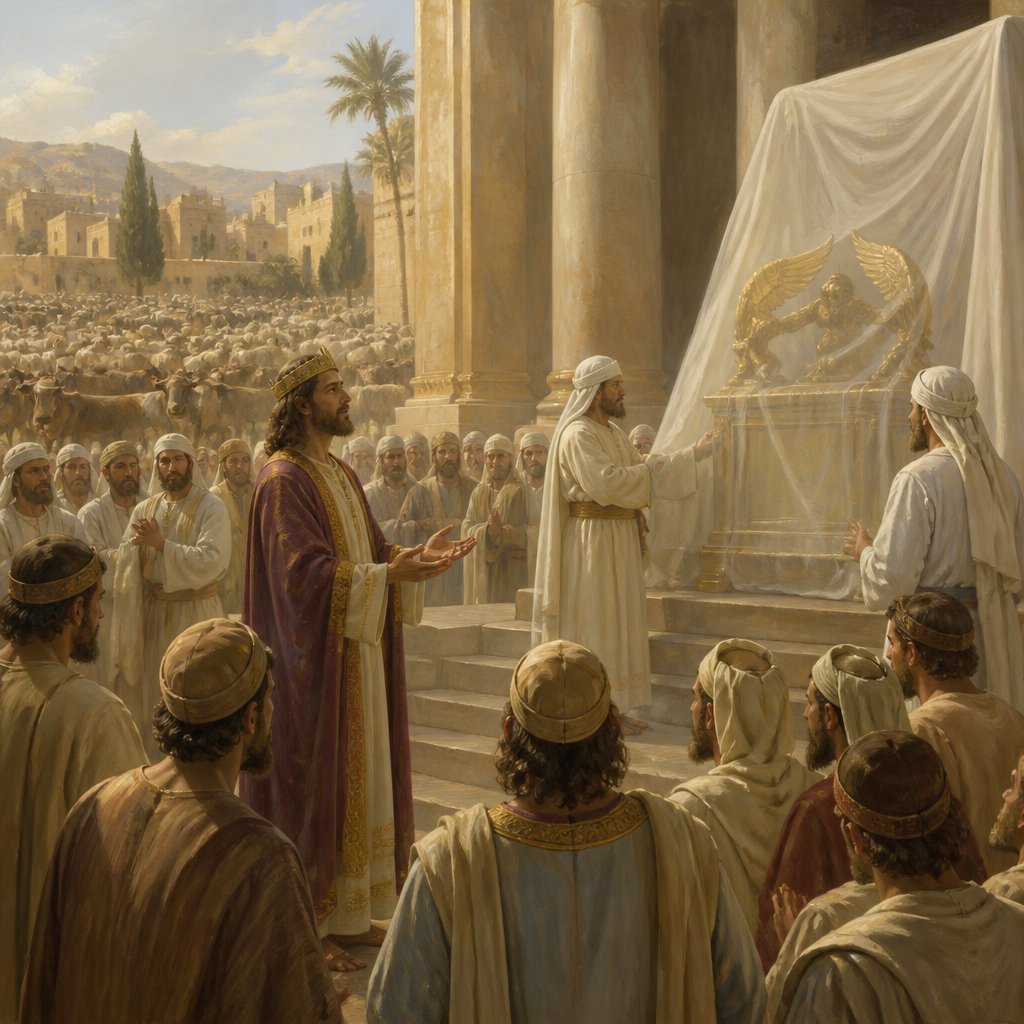
In 2 Chronicles 5:6, we see a profound moment in Israel's history, particularly during the time of King Solomon's dedication of the temple: "Also king Solomon, and all the congregation of Israel that were assembled unto him before the ark, sacrificed sheep and oxen, which could not be told nor numbered for multitude." This passage captures the essence of worship through sacrifice and the communal expression of faith.
At the heart of this scene is the magnificent temple that Solomon built, which was not just a structure but a symbol of God's presence among His people. The ark of the covenant, housed within the temple, represented the very heart of God's relationship with Israel—a tangible reminder of His promises, His covenant, and His guidance. Assembly before the ark indicated recognition of God’s authority and a responsive heart of gratitude and reverence.
The act of sacrificing sheep and oxen in droves symbolizes the hearts of the people and their willingness to offer their best to God. In ancient Israel, sacrifices were significant. They represented atonement for sin, acts of gratitude, and acknowledgement of dependency on God. The sheer multitude of the sacrifices—"which could not be told nor numbered for multitude"—reflects not only the enormity of the occasion but also the depth of the Israelites' devotion and communal worship. What a sight it must have been to witness thousands of animals being offered in a spirit of unity and dedication!
As believers today, we are called to understand that worship is not merely a Sunday service or an occasional act of devotion, but a lifestyle of sacrifice and surrender. The Israelites’ gathering serves as a poignant reminder that worship is collective; it is a community coming together to express their collective faith and love for God. This communal aspect also reflects the nature of God's kingdom, where unity in worship pleases Him.
The sacrifices made by Solomon and his people were more than rituals; they represented a heart posture of humility and surrender. Too often, worship can be viewed through a narrow lens of personal benefit or mere tradition. However, true worship is sacrificial and recognizes the greatness of God in our lives. It is not so much about the quantity of our offerings but the quality of our hearts. God is not interested in empty gestures or superficial practices; He desires a genuine relationship that encompasses every aspect of our lives.
Furthermore, the multitude of offerings speaks to the overflow of gratitude that should characterize our own hearts. How often do we come to God with a small heart, offering Him just the bare minimum of our time or resources? The sheer abundance of these sacrifices showcases an attitude that we should aspire to—a heart that is ready and excited to give generously, because we have been generously loved.
In moments of worship, when we gather, whether it's in a church or around a dinner table, let us remind ourselves of the purpose behind our actions. We too are called to bring forth sacrifices, though they may look different in a New Testament context. Romans 12:1 invites us, "I beseech you therefore, brethren, by the mercies of God, that ye present your bodies a living sacrifice, holy, acceptable unto God, which is your reasonable service." Our lives are meant to be offerings, not just moments of praise but living testimonies of God’s grace and mercy.
As we meditate on 2 Chronicles 5:6, may our hearts be stirred to engage in worship that is abundant, communal, and sacrificial. Let us not shy away from bringing our very best before the Lord in every area of our lives, recognizing that in doing so, we welcome His presence among us. Just as Solomon and the people of Israel experienced the rich presence of God in their worship, we too can anticipate His divine engagement in our heartfelt acts of devotion.
Want to reflect more on 2 Chronicles 5:6?
Continue your spiritual journey with Bible Chat — an AI-powered tool for exploring God's Word through conversation. Ask questions, discover connections, and deepen your understanding.
Get Our Apps


2 Chronicles 5:6 Artwork

2 Chronicles 5:6 - "Also king Solomon, and all the congregation of Israel that were assembled unto him before the ark, sacrificed sheep and oxen, which could not be told nor numbered for multitude."
"Also king Solomon, and all the congregation of Israel that were assembled unto him before the ark, sacrificed sheep and oxen, which could not be told nor numbered for multitude." - 2 Chronicles 5:6

1 Chronicles 6:5 - "And Abishua begat Bukki, and Bukki begat Uzzi,"

1 Chronicles 5:6 - "Beerah his son, whom Tilgath-pilneser king of Assyria carried away captive: he was prince of the Reubenites."

2 Chronicles 6:13

1 Chronicles 2:5 - "The sons of Pharez; Hezron, and Hamul."

2 Chronicles 6:2 - "But I have built an house of habitation for thee, and a place for thy dwelling for ever."

1 Chronicles 6:2 - "And the sons of Kohath; Amram, Izhar, and Hebron, and Uzziel."

2 Chronicles 5:4 - "And all the elders of Israel came; and the Levites took up the ark."

2 Chronicles 2:5 - "And the house which I build is great: for great is our God above all gods."
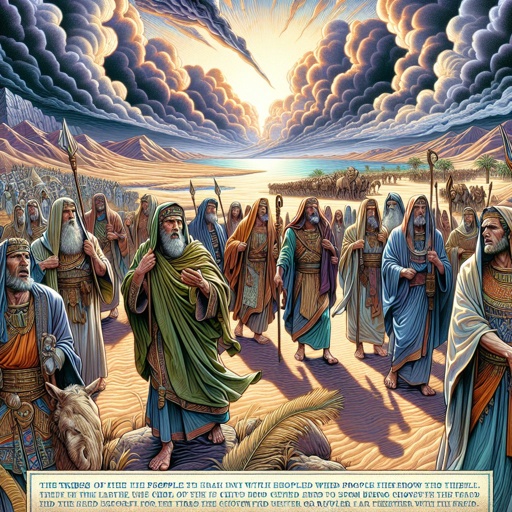
2 Chronicles 6:5 - "Since the day that I brought forth my people out of the land of Egypt I chose no city among all the tribes of Israel to build an house in, that my name might be there; neither chose I any man to be a ruler over my people Israel:"

2 Chronicles 11:5 - "¶ And Rehoboam dwelt in Jerusalem, and built cities for defence in Judah."

2 Chronicles 6:6 - "But I have chosen Jerusalem, that my name might be there; and have chosen David to be over my people Israel."

2 Chronicles 11:6 - "He built even Beth-lehem, and Etam, and Tekoa,"

2 Chronicles 5:5 - "And they brought up the ark, and the tabernacle of the congregation, and all the holy vessels that were in the tabernacle, these did the priests and the Levites bring up."

2 Chronicles 6:35 - "Then hear thou from the heavens their prayer and their supplication, and maintain their cause."
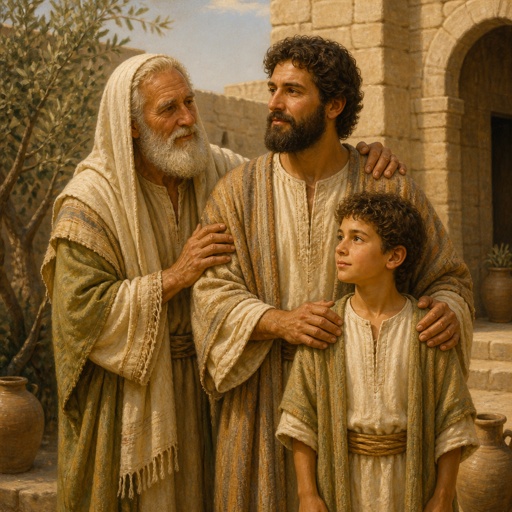
"And Abishua begat Bukki, and Bukki begat Uzzi," - 1 Chronicles 6:5
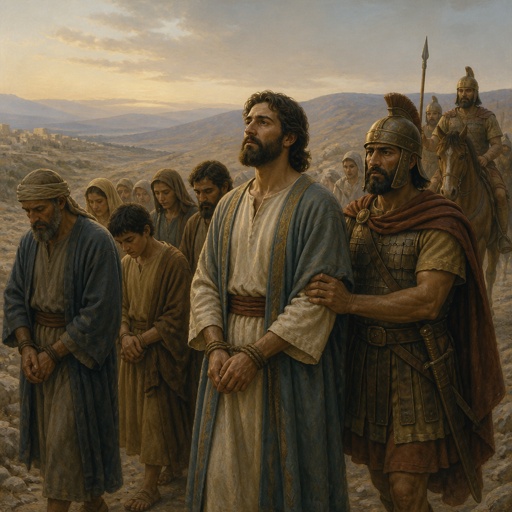
"Beerah his son, whom Tilgath-pilneser king of Assyria carried away captive: he was prince of the Reubenites." - 1 Chronicles 5:6

2 Chronicles 3:6 - "And he garnished the house with precious stones for beauty: and the gold was gold of Parvaim."

2 Chronicles 12:6 - "Whereupon the princes of Israel and the king humbled themselves; and they said, The LORD is righteous."

2 Chronicles 34:5 - "And he burnt the bones of the priests upon their altars, and cleansed Judah and Jerusalem."

1 Chronicles 2:6 - "And the sons of Zerah; Zimri, and Ethan, and Heman, and Calcol, and Dara: five of them in all."

2 Chronicles 18:6 - "But Jehoshaphat said, Is there not here a prophet of the LORD besides, that we might enquire of him?"

2 Chronicles 6:1 - "Then said Solomon, The LORD hath said that he would dwell in the thick darkness."

2 Chronicles 20:5 - "¶ And Jehoshaphat stood in the congregation of Judah and Jerusalem, in the house of the LORD, before the new court,"

2 Chronicles 33:5 - "And he built altars for all the host of heaven in the two courts of the house of the LORD."

2 Corinthians 6:5 - "In stripes, in imprisonments, in tumults, in labours, in watchings, in fastings;"
2 Kings 15:6 - "And the rest of the acts of Azariah, and all that he did, are they not written in the book of the chronicles of the kings of Judah?"

2 Chronicles 6:7 - "Now it was in the heart of David my father to build an house for the name of the LORD God of Israel."

2 Chronicles 19:5 - "¶ And he set judges in the land throughout all the fenced cities of Judah, city by city,"