Chosen to Dwell: Understanding God's Sovereignty
"Since the day that I brought forth my people out of the land of Egypt I chose no city among all the tribes of Israel to build an house in, that my name might be there; neither chose I any man to be a ruler over my people Israel:" - 2 Chronicles 6:5
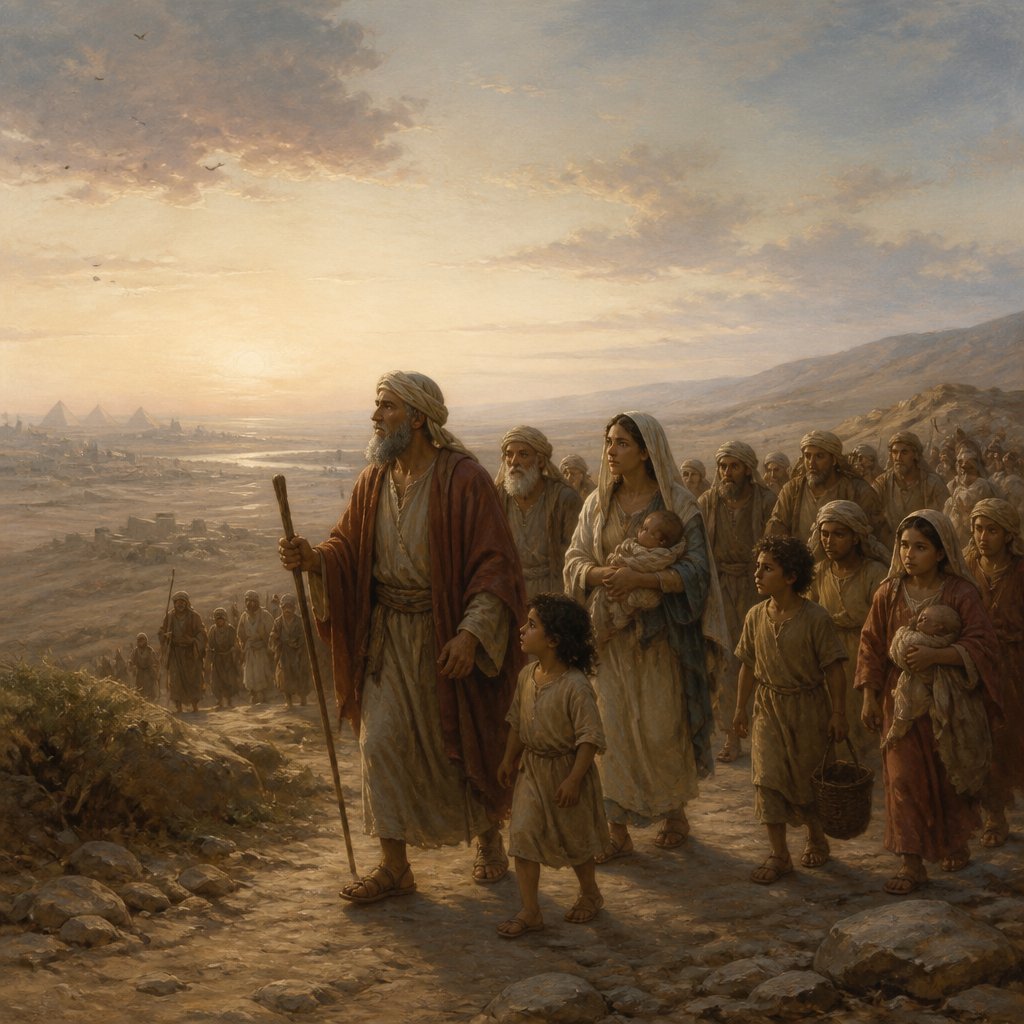
In 2 Chronicles 6:5, we read the words of King Solomon as he dedicates the temple he built for the Lord: "Since the day that I brought forth my people out of the land of Egypt I chose no city among all the tribes of Israel to build an house in, that my name might be there; neither chose I any man to be a ruler over my people Israel." This verse profoundly captures God's divine purpose and direction in the lives of His people from the very beginning of their journey.
The historical backdrop of this verse emphasizes the significance of God's selection process. He led His people out of Egyptian bondage with a purpose—to bring them into a land flowing with milk and honey. Yet, despite the freedom and the Promised Land, God chose not a singular city to establish His name but instead allowed His presence to dwell wherever His people gathered in worship and obedience. This divine choice speaks volumes about God's intention: His desire is for His name to be glorified among His people, not confined to a geographical location.
In a world where we often associate significance with physical landmarks and esteemed individuals, God's choosing is counterintuitive. All through Scripture, we see the recurring theme of God's election—He often selects the humble and the overlooked. When He chose David as a king, he was merely a shepherd boy, overlooked by his own family. When He chose the Israelites, they were not the mightiest nation, but rather enslaved and oppressed. Solomon himself acknowledges this reality, reminding us that God’s presence and authority are not dependent on human standards of power or importance.
This choice raises a curious question about leadership, society, and spiritual relevance. As Solomon reflects on God's not choosing a man for rulership, we should consider the implications this has for our understanding of authority and governance. Are we placing too much weight on human leaders when, in fact, the true leadership comes from God? The kingdom of God operates on principles that might contrast sharply with worldly wisdom. As believers, we are called to look beyond mere human institutions, knowing that our ultimate leader is Christ Himself.
Moreover, in today’s cultural landscape, there’s a rising yearning for authenticity in spiritual communities. The challenge for contemporary believers is to cultivate places of genuine worship, echoing the principle that God's name is exalted not merely in splendorous buildings but through lives dedicated to Him across every community. Wherever believers gather—be it in homes, on street corners, or under trees—God’s presence can manifest in powerful ways. When we prioritize seeking His name above any institution, we participate in a lineage of faith stretching back to Moses and beyond.
So how does this affect our everyday lives and our faith journey?
Firstly, we must recognize that we are chosen to glorify God in our lives. Just as He had a plan for Israel, He has a unique call for each of us—a responsibility to carry His presence into our spheres of influence. We are each His dwelling place (1 Corinthians 6:19). Reflect upon how your life, with all its nuances, can be an offering of praise to Him.
Secondly, we are called to seek His name above all else. In practical terms, this means prioritizing God in our decisions, our relationships, and our worship. When we gather, whether it’s for prayer meetings or casual fellowship, let us remember that our focus is to glorify Him—not the place, nor the leadership structure.
Finally, let us embrace God’s chosen people identity. Each of us carries the privilege and responsibility of being representatives of Christ. In moments of discouragement, when the world seems chaotic and marred by disunity, remind yourself that God has chosen you to reflect His light.
As we meditate on 2 Chronicles 6:5, may we feel both the weight of responsibility and the joy of being included in God's grand narrative. Let us cultivate spaces, intentionally and with purpose, where His name is honored, knowing that it's not about a single city or esteemed ruler but about a community of believers united in His glorious presence.
Want to reflect more on 2 Chronicles 6:5?
Continue your spiritual journey with Bible Chat — an AI-powered tool for exploring God's Word through conversation. Ask questions, discover connections, and deepen your understanding.
Get Our Apps


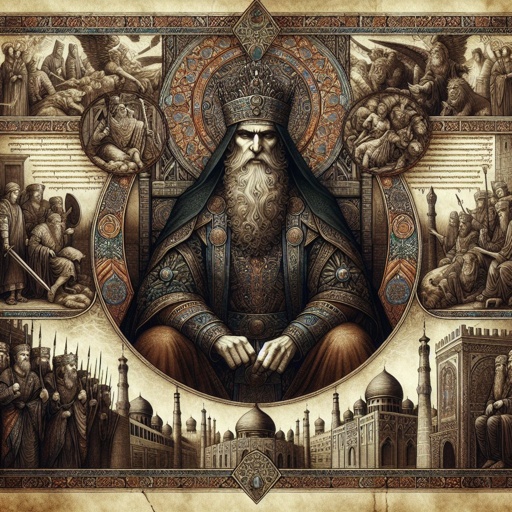
2 Chronicles 6:5 Artwork
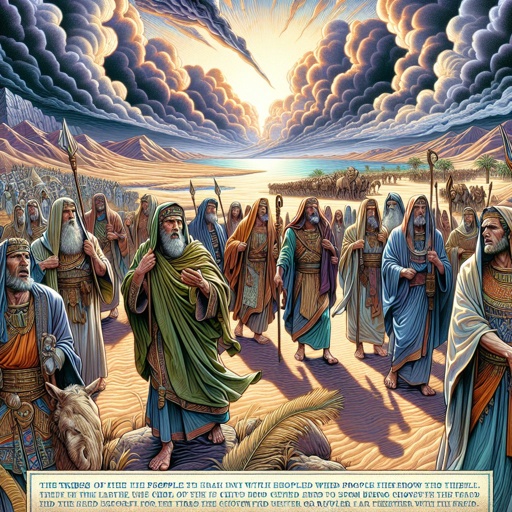
2 Chronicles 6:5 - "Since the day that I brought forth my people out of the land of Egypt I chose no city among all the tribes of Israel to build an house in, that my name might be there; neither chose I any man to be a ruler over my people Israel:"
"Since the day that I brought forth my people out of the land of Egypt I chose no city among all the tribes of Israel to build an house in, that my name might be there; neither chose I any man to be a ruler over my people Israel:" - 2 Chronicles 6:5

1 Chronicles 6:5 - "And Abishua begat Bukki, and Bukki begat Uzzi,"
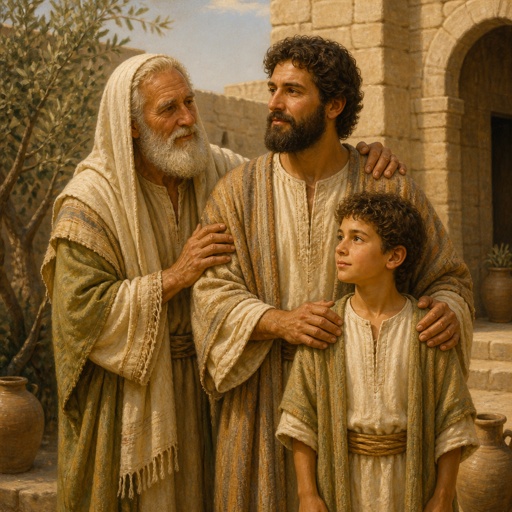
"And Abishua begat Bukki, and Bukki begat Uzzi," - 1 Chronicles 6:5

2 Chronicles 5:6 - "Also king Solomon, and all the congregation of Israel that were assembled unto him before the ark, sacrificed sheep and oxen, which could not be told nor numbered for multitude."

2 Chronicles 6:13

1 Chronicles 2:5 - "The sons of Pharez; Hezron, and Hamul."

2 Chronicles 6:2 - "But I have built an house of habitation for thee, and a place for thy dwelling for ever."

1 Chronicles 6:2 - "And the sons of Kohath; Amram, Izhar, and Hebron, and Uzziel."

2 Chronicles 2:5 - "And the house which I build is great: for great is our God above all gods."

1 Chronicles 5:6 - "Beerah his son, whom Tilgath-pilneser king of Assyria carried away captive: he was prince of the Reubenites."

2 Chronicles 11:5 - "¶ And Rehoboam dwelt in Jerusalem, and built cities for defence in Judah."

2 Chronicles 6:6 - "But I have chosen Jerusalem, that my name might be there; and have chosen David to be over my people Israel."

2 Chronicles 11:6 - "He built even Beth-lehem, and Etam, and Tekoa,"

2 Chronicles 5:5 - "And they brought up the ark, and the tabernacle of the congregation, and all the holy vessels that were in the tabernacle, these did the priests and the Levites bring up."

2 Chronicles 5:4 - "And all the elders of Israel came; and the Levites took up the ark."

2 Chronicles 6:35 - "Then hear thou from the heavens their prayer and their supplication, and maintain their cause."

2 Chronicles 3:6 - "And he garnished the house with precious stones for beauty: and the gold was gold of Parvaim."

2 Chronicles 12:6 - "Whereupon the princes of Israel and the king humbled themselves; and they said, The LORD is righteous."

2 Chronicles 34:5 - "And he burnt the bones of the priests upon their altars, and cleansed Judah and Jerusalem."

1 Chronicles 2:6 - "And the sons of Zerah; Zimri, and Ethan, and Heman, and Calcol, and Dara: five of them in all."

2 Chronicles 18:6 - "But Jehoshaphat said, Is there not here a prophet of the LORD besides, that we might enquire of him?"

2 Chronicles 6:1 - "Then said Solomon, The LORD hath said that he would dwell in the thick darkness."

2 Chronicles 20:5 - "¶ And Jehoshaphat stood in the congregation of Judah and Jerusalem, in the house of the LORD, before the new court,"

2 Chronicles 33:5 - "And he built altars for all the host of heaven in the two courts of the house of the LORD."

2 Corinthians 6:5 - "In stripes, in imprisonments, in tumults, in labours, in watchings, in fastings;"
2 Kings 15:6 - "And the rest of the acts of Azariah, and all that he did, are they not written in the book of the chronicles of the kings of Judah?"

2 Chronicles 6:7 - "Now it was in the heart of David my father to build an house for the name of the LORD God of Israel."

2 Chronicles 19:5 - "¶ And he set judges in the land throughout all the fenced cities of Judah, city by city,"

1 Chronicles 5:2 - "For Judah prevailed above his brethren, and of him came the chief ruler; but the birthright was Joseph's:)"