When Heaven Is Shut: Understanding God’s Sovereignty in Times of Drought
“If I shut up heaven that there be no rain, or if I command the locusts to devour the land, or if I send pestilence among my people;” — 2 Chronicles 7:13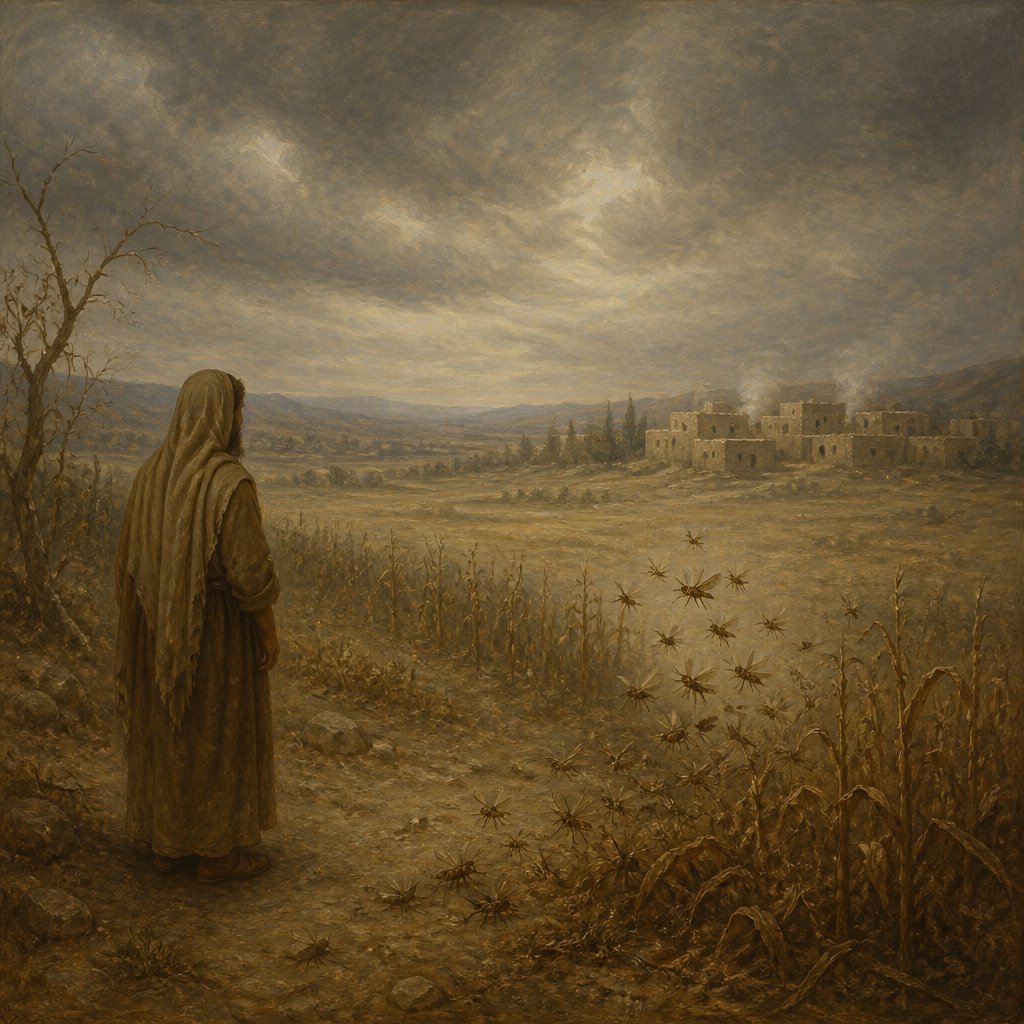
The passage from 2 Chronicles 7:13, “If I shut up heaven that there be no rain, or if I command the locusts to devour the land, or if I send pestilence among my people,” provides a profound insight into the nature of God’s governance over creation and His relationship with His people. This verse, nestled within the context of God’s covenant with Israel, serves as a stark reminder of both His sovereign authority and His desire for repentance from His people.
To fully appreciate the weight of this verse, we need to understand the circumstances under which King Solomon dedicated the temple. Following the completion of this grand structure, God appeared to Solomon and affirmed His presence among His people. He further outlined the terms of His covenant, emphasizing His blessings for obedience and the consequences of disobedience. Thus, verse 13 acts as a prelude to the well-known verse 14, which calls for humility, prayer, and repentance: “If my people, which are called by my name, shall humble themselves, and pray, and seek my face, and turn from their wicked ways; then will I hear from heaven, and will forgive their sin, and will heal their land.”
The imagery in verse 13 of God shutting up heaven signifies a closure of His blessings. In an agrarian society like that of ancient Israel, rain was not merely a weather phenomenon but a lifeline. The absence of rain would lead to drought, crops failing, and subsequent suffering among the people. When we reflect on this image, it beckons us to consider how we often associate blessings, abundance, and God's favor with tangible provisions. However, God reminds us through this passage that our physical circumstances often reflect our spiritual state.
The command of locusts to devour the land speaks to a divine removal of protection and provision. Locusts were a formidable force, devastating crops and leaving the land barren. This too serves as a metaphor for the consequences of turning away from God—wherein the very resources that sustain life become weapons of destruction. It highlights the reality that when God withdraws His favor and various blessings, we may find ourselves in seasons of trial and emptiness. Pestilence, or disease, represents not just physical suffering but spiritual decay among His people. God’s discipline, represented in these actions, is not merely punitive; it serves as an invitation for reflection, repentance, and restoration.
Understanding verse 13 prompts a crucial question: Why would God choose to act in this way? The answer lies in His unwavering love for His people. Like any parent, God desires not only obedience but also a deep, abiding relationship with His children. His warnings and actions are aimed at bringing His people back to a place of dependence on Him, recognizing their need for repentance, cooperation, and ultimately, His grace.
In contemporary context, we are living in a time where many facets of our lives may feel as if heaven has been shut. Struggles within families, communities, and nations can lead us to similar feelings of despair and alienation from God’s provisions and mercy. Yet, much like the ancient Israelites, it is in these moments that we are called to turn our hearts back to God. Rather than wallow in despair, let us heed the divine invitation: to humble ourselves, offer our prayers, seek His face, and turn from our wicked ways.
So as we meditate on 2 Chronicles 7:13, let it propel us into a posture of introspection and prayer. Are there areas in our lives where we have experienced drought, locusts, or pestilence? Let us bring those before God, acknowledging our need for His intervention and desiring to restore our relationship with Him. We serve a God who promises that if we seek Him, He will respond. His heart is always inclined toward restoration, healing, and blessings that flow from a genuine return to Him.
In conclusion, the weight of 2 Chronicles 7:13 serves both as a warning and an invitation. Let it inspire us to remain steadfast in our walk with God and to be ever-mindful of our need to repent and come to Him in unity as His people.
Get our apps


Artwork for 2 Chronicles 7:13

2 Chronicles 7:13 - "If I shut up heaven that there be no rain, or if I command the locusts to devour the land, or if I send pestilence among my people;"
"If I shut up heaven that there be no rain, or if I command the locusts to devour the land, or if I send pestilence among my people;" - 2 Chronicles 7:13

1 Chronicles 7:13 - "¶ The sons of Naphtali; Jahziel, and Guni, and Jezer, and Shallum, the sons of Bilhah."

2 Chronicles 13:7 - "And there are gathered unto him vain men, the children of Belial, and have strengthened themselves against Rehoboam the son of Solomon, when Rehoboam was young and tenderhearted, and could not withstand them."

2 chronicles 7:14

2 chronicles 7:14

2 Chronicles 6:13

2 chronicles 13:12

1 Chronicles 13:7 - "And they carried the ark of God in a new cart out of the house of Abinadab: and Uzza and Ahio drave the cart."
"¶ The sons of Naphtali; Jahziel, and Guni, and Jezer, and Shallum, the sons of Bilhah." - 1 Chronicles 7:13

2 Chronicles 11:7 - "And Beth-zur, and Shoco, and Adullam,"

Humble ourselves and pray 2 Chronicles 7:14

2 Chronicles 2:13 - "And now I have sent a cunning man, endued with understanding, of Huram my father's,"

2 Chronicles 13:13 - "¶ But Jeroboam caused an ambushment to come about behind them: so they were before Judah, and the ambushment was behind them."

2 Chronicles 29:13 - "And of the sons of Elizaphan; Shimri, and Jeiel: and of the sons of Asaph; Zechariah, and Mattaniah:"

2 Chronicles 7:4 - "¶ Then the king and all the people offered sacrifices before the LORD."

2 Chronicles 20:13 - "And all Judah stood before the LORD, with their little ones, their wives, and their children."

2 Chronicles 13:16 - "And the children of Israel fled before Judah: and God delivered them into their hand."

1 Chronicles 2:13 - "¶ And Jesse begat his firstborn Eliab, and Abinadab the second, and Shimma the third,"

2 Chronicles 7:2 - "And the priests could not enter into the house of the LORD, because the glory of the LORD had filled the LORD'S house."

2 Chronicles 10:13 - "And the king answered them roughly; and king Rehoboam forsook the counsel of the old men,"

2 Chronicles 13:1 - "Now in the eighteenth year of king Jeroboam began Abijah to reign over Judah."

2 Chronicles 16:13 - "¶ And Asa slept with his fathers, and died in the one and fortieth year of his reign."

2 Chronicles 11:13 - "¶ And the priests and the Levites that were in all Israel resorted to him out of all their coasts."

1 Chronicles 2:7 - "And the sons of Carmi; Achar, the troubler of Israel, who transgressed in the thing accursed."

2 Chronicles 18:13 - "And Micaiah said, As the LORD liveth, even what my God saith, that will I speak."

2 Chronicles 13:22 - "And the rest of the acts of Abijah, and his ways, and his sayings, are written in the story of the prophet Iddo."

2 Chronicles 13:2 - "He reigned three years in Jerusalem. His mother's name also was Michaiah the daughter of Uriel of Gibeah. And there was war between Abijah and Jeroboam."

2 Chronicles 26:7 - "And God helped him against the Philistines, and against the Arabians that dwelt in Gurbaal, and the Mehunims."

2 Chronicles 31:7 - "In the third month they began to lay the foundation of the heaps, and finished them in the seventh month."