Strength in Weakness: Embracing Our Imperfections
“Therefore I take pleasure in infirmities, in reproaches, in necessities, in persecutions, in distresses for Christ’s sake: for when I am weak, then am I strong.” — 2 Corinthians 12:10
In 2 Corinthians 12:10, the Apostle Paul makes the profound declaration: "Therefore I take pleasure in infirmities, in reproaches, in necessities, in persecutions, in distresses for Christ's sake: for when I am weak, then am I strong." This scripture encapsulates the paradox of the Christian experience—where weakness transforms into strength through faith in Christ. Paul’s assertion challenges us to reevaluate our understanding of strength and weakness.
Paul's journey is compelling. Here is a man who, in his prior life as Saul, persecuted the church with zeal and conviction. He had everything going for him: education, status, and authority. Yet, when he encountered Christ on the road to Damascus, everything shifted. His weaknesses, those very things he might have once deemed as unworthy, became the vessels through which Christ’s power was made evident.
The phrase "I take pleasure" reveals a deep maturity in faith. It's one that can only be cultivated through trials and surrender to the Lord. To take pleasure in infirmities—physical limitations, emotional hurdles, and societal rejections—suggests an understanding that these sufferings, when borne for Christ’s sake, serve a greater purpose.
Infirmities remind us of our humanity. They push us to reliance upon God rather than upon our own abilities. When we face these limitations, we are stripped of the facade of control and confronted with the reality of our dependence on God. This moment of realization is crucial. It is here we echo Paul's sentiment, recognizing that our weakness is not a setback but rather a setup for God's strength to be displayed in our lives.
Reproaches, too, can be difficult. As followers of Christ, we may endure ridicule or scorn for our beliefs and lifestyle choices. Paul, as a radical follower of Christ, faced immense persecution. He was imprisoned, beaten, and ostracized. Yet he viewed these trials as opportunities for glorifying Christ. In allowing our faith to shine through the reproaches we face, we embody the strength of Christ. Each moment of ridicule, when handled with grace, is a testament to the transforming power of the Gospel.
Necessities and distresses add another layer to our understanding of dependence. How often do we find ourselves in desperate need of provision—whether it be financial, emotional, or spiritual? When life weighs heavily upon our shoulders, it is easy to succumb to despair. However, in admitting our neediness, we pave the way for God’s sufficiency. Times of scarcity and distress are reminders of God’s promises to supply all our needs (Philippians 4:19). In our poverty, we can proclaim His wealth.
The Apostle Paul showed us that persecution can deepen our faith and connection with Christ. As we share in His sufferings, we begin to understand the depth of His sacrifice for us. Each struggle allows us to draw closer to Him, fortifying our inner strength through the Holy Spirit. The Christian life calls us to embrace the struggles and challenges, knowing that they serve to build our character (Romans 5:3-5) and refine us like gold.
As we reflect on Paul’s testimony, let us be encouraged to find joy in our weaknesses. Instead of shunning those vulnerabilities, let us embrace them as opportunities for God to work in miraculous ways. Our struggles can become our testimony of strength in Christ, showcasing how the King of Glory transforms our every trial.
In conclusion, remember Paul’s final affirmation: "for when I am weak, then am I strong." These words resonate deeply because they remind us that true strength is not about the absence of weakness but the presence of Christ. Every moment of perceived failure is a potent reminder of our reliance on Him. Let us acknowledge our weaknesses in faith, trusting that they are the instruments through which God’s power is unveiled, bringing glory to His name.
Get our apps


Artwork for 2 Corinthians 12:10

2 Corinthians 12:10 - "Therefore I take pleasure in infirmities, in reproaches, in necessities, in persecutions, in distresses for Christ's sake: for when I am weak, then am I strong."
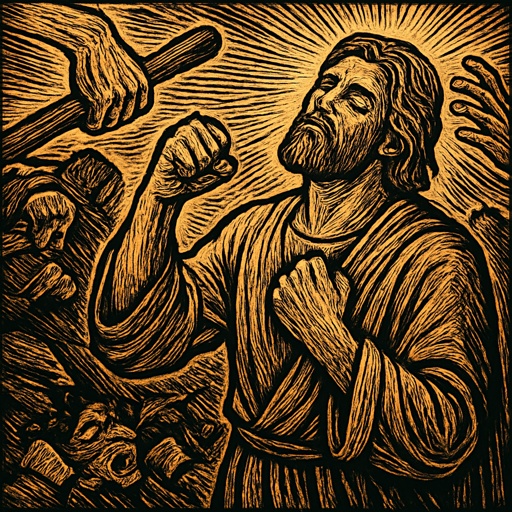
2 Corinthians 12:10 (FBV) "So I appreciate weaknesses, insults, troubles, persecutions, and difficulties that I suffer for Christ's sake. For when I'm weak, then I'm strong!"

"Therefore I take pleasure in infirmities, in reproaches, in necessities, in persecutions, in distresses for Christ's sake: for when I am weak, then am I strong." - 2 Corinthians 12:10
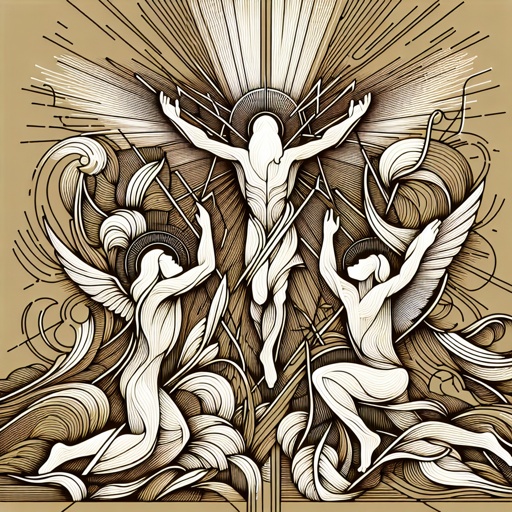
2 Corinthians 12:9-10

2 Corinthians 10:12 - "For we dare not make ourselves of the number, or compare ourselves with some that commend themselves: but they measuring themselves by themselves, and comparing themselves among themselves, are not wise."

1 corinthians 2:12

1 corinthians 2:12

2 Corinthians 12:9

2 Corinthians 12:7

2 Corinthians 12:7

1 corinthians 2:12

1 corinthians 2:12

2 corinthians 10:3-5

2 corinthians 10:3-5

2 corinthians 10:3-5

2 corinthians 10:3-5

2 corinthians 10:3-5

2 corinthians 10:3-5

2 corinthians 10:3-5

2 corinthians 10:3-5

2 corinthians 10:3-5

2 corinthians 10:3-5

2 corinthians 10:3-5

2 corinthians 10:3-5

2 Corinthians 12:2-4 – Paul’s vision of the third heaven.

2 Corinthians 12:7

2 Corinthians 12:9

2 Corinthians 12:9

2 Corinthians 12:7

2 Corinthians 7:10