Liberty Where He Dwells
“Now the Lord is that Spirit: and where the Spirit of the Lord is, there is liberty.” — 2 Corinthians 3:17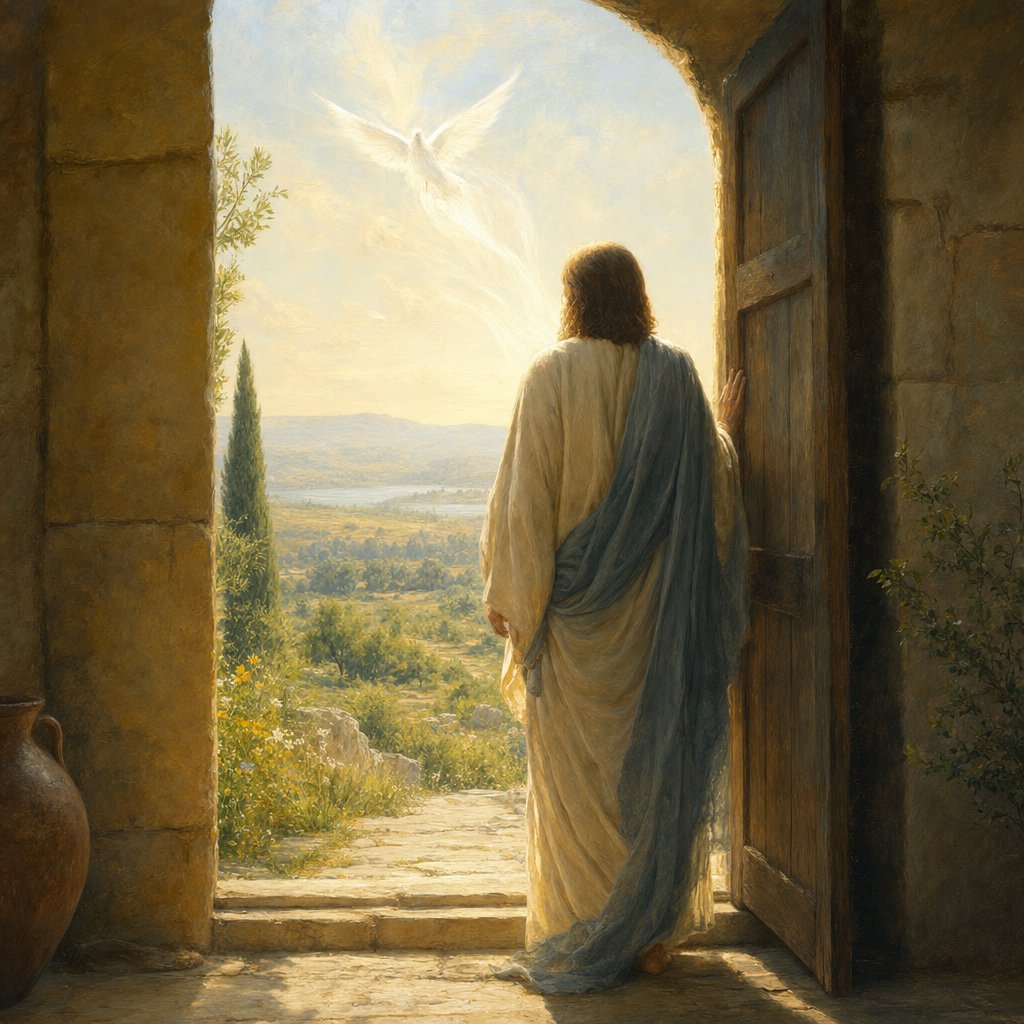
“Now the Lord is that Spirit: and where the Spirit of the Lord is, there is liberty.” (2 Corinthians 3:17, KJV)
This single sentence carries a weight that can reshape the way we think about God’s presence in our daily lives. It begins with a profound declaration: “Now the Lord is that Spirit.” The Lord is not distant, not locked away behind ceremony, not confined to a place we must reach by our own strength. He is “that Spirit”—living, active, personal, near. God is not merely an idea to consider or a doctrine to memorize. He is present, and His presence is not cold or oppressive. His presence brings “liberty.”
The verse does not say that liberty is found where people are strong, or educated, or morally impressive. It does not say liberty is found where circumstances are easy, where finances are secure, or where the future is predictable. It says, “where the Spirit of the Lord is, there is liberty.” That means true freedom is not primarily a change in what surrounds you; it is a change in who rules within you. Many people are outwardly unrestrained but inwardly bound—bound by fear, bound by guilt, bound by bitterness, bound by secret sin, bound by the opinions of others, bound by the need to control what cannot be controlled. Yet the Scripture points us to a different kind of freedom: a liberty that begins when the Spirit of the Lord is present and welcomed.
Liberty, in this light, is not permission to live without limits; it is release from what enslaves. There is a difference between being free to do whatever the flesh demands and being free to obey God with a willing heart. The Spirit of the Lord does not arrive to make us careless; He comes to make us alive. He does not simply remove restraint; He removes chains. He does not flatter our self-rule; He breaks the tyranny of sin’s rule. The liberty of the Spirit is the freedom to finally live as we were made to live—before God, with God, and for God.
Consider how heavy the soul can become when it carries condemnation. A person can confess Christ with their lips and still live mentally bowed down, as if God’s grace was only for others. But “where the Spirit of the Lord is, there is liberty.” That includes liberty from the constant inner voice that says, “You will never change,” or “God is tired of you,” or “Your past disqualifies you.” The Spirit of the Lord bears witness to the work of Christ, and where He is present, the heart learns to breathe again—not because sin is ignored, but because redemption is real.
This liberty also speaks to freedom in worship and obedience. When the Spirit of the Lord is present, we are no longer performing for acceptance; we are responding to love. We are no longer trying to earn a place at the table; we are learning to live as children who have already been welcomed. That changes prayer. It changes repentance. It changes how we face temptation. It changes how we endure suffering. Liberty is not the absence of struggle; it is the presence of God in the struggle. It is the power to choose obedience even when the flesh resists, and the strength to rise again when we have fallen.
Yet this verse invites an honest question: if liberty is where the Spirit of the Lord is, what happens when we feel bound? One answer is to examine what we have allowed to take residence in the inner room of the heart. The Spirit of the Lord does not force His way into a life that clings to other masters. Where He is welcomed, cherished, and obeyed, there is liberty. Where He is resisted, ignored, or grieved, bondage grows quietly. This is not a call to despair, but a call to return. The same Lord who gives liberty also gives mercy. He calls us back into the open space of His presence.
Today, let this verse become both comfort and invitation. Comfort, because God’s Spirit brings real freedom—freedom that reaches deeper than circumstances and stronger than habits. Invitation, because liberty is not found by striving harder in the flesh, but by yielding more fully to the Spirit of the Lord. Ask Him to search you. Ask Him to fill you. Ask Him to rule you. And as He does, expect liberty—not merely as a concept, but as a lived reality.
Prayer: Lord, Thou art that Spirit. Let the Spirit of the Lord dwell richly in me. Break every chain that binds my heart—fear, guilt, pride, and sin. Teach me to walk in the liberty Thou givest, that I may obey Thee with joy and worship Thee with a free heart. Amen.
Get our apps


Artwork for 2 Corinthians 3:17

2 Corinthians 3:17 - "Now the Lord is that Spirit: and where the Spirit of the Lord is, there is liberty."
!["Now the Lord is that Spirit: and where the Spirit of the Lord [is], there [is] liberty." - 2 Corinthians 3:17](https://media.bible.art/83c96572-3215-41d4-8daf-a8ac56290553-thumbnail.jpg)
"Now the Lord is that Spirit: and where the Spirit of the Lord [is], there [is] liberty." - 2 Corinthians 3:17

"Now the Lord is that Spirit: and where the Spirit of the Lord is, there is liberty." - 2 Corinthians 3:17
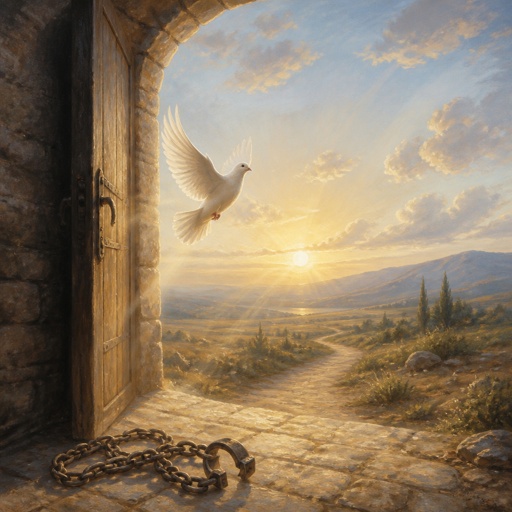
"Now the Lord is that Spirit: and where the Spirit of the Lord is, there is liberty." - 2 Corinthians 3:17

1 corinthians 3:16-17

1 corinthians 3:16-17

1 corinthians 3:16-17

2 Corinthians 3:6

2 Corinthians 5:17

2 Corinthians 4:17

2 Corinthians 5:17

2 Corinthians 5:17

2 Corinthians 5:17

2 Corinthians 5:17

2 Corinthians 3:18

2 Corinthians 3:6

2 Corinthians 5:17

2 Corinthians 5:17

2 Corinthians 5:17

2 Corinthians 5:17

2 Corinthians 5:17

2 Corinthians 5:17

2 corinthians 10:3-5

2 corinthians 10:3-5

2 corinthians 10:3-5

2 corinthians 10:3-5

2 corinthians 10:3-5

2 corinthians 10:3-5

2 corinthians 10:3-5

2 corinthians 10:3-5