Living Sacrificially: The Transforming Power of Christ's Love
“For the love of Christ constraineth us; because we thus judge, that if one died for all, then were all dead: And that he died for all, that they which live should not henceforth live unto themselves, but unto him which died for them, and rose again.” — 2 Corinthians 5:14-15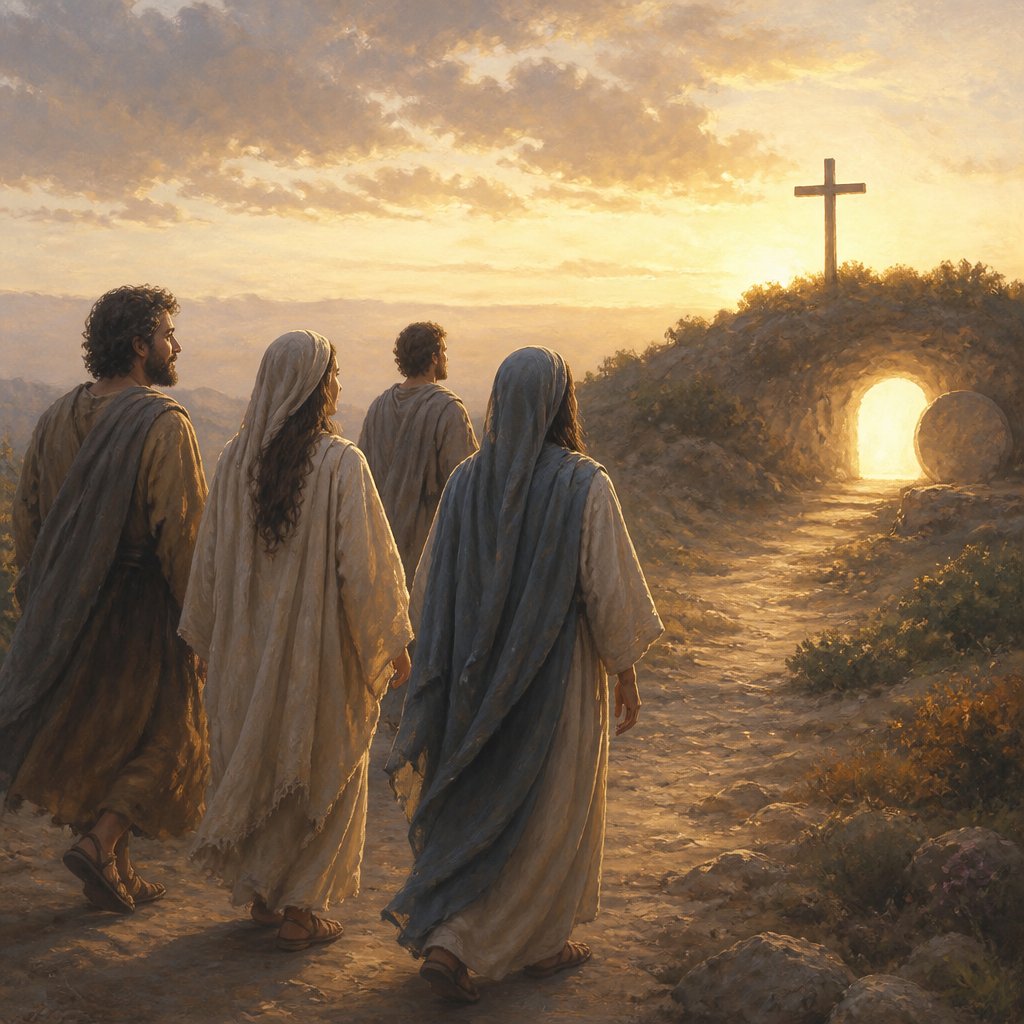
In the passage of 2 Corinthians 5:14-15, we encounter a profound truth that resonates deeply within the spiritual journey of every believer: "For the love of Christ constraineth us; because we thus judge, that if one died for all, then were all dead: And that he died for all, that they which live should not henceforth live unto themselves, but unto him which died for them, and rose again." This scripture crafts a beautiful narrative of love, sacrifice, and a call to a life of significance, challenging us to examine the very nature and aim of our existence.
Paul begins by identifying the driving force behind our actions as Christians: the love of Christ. This love isn’t a mere sentiment; it constrains us, as the KJV articulates. The word "constraineth" paints a picture of being compelled or pressed inwardly, like someone being drawn into a compelling narrative. The love of Christ, exemplified in His sacrificial death, reorients our perspectives and priorities. It reshapes our understanding of how we ought to live in response to that boundless love.
To meditate on the concept of death that Paul mentions is essential. He points out that "if one died for all, then were all dead." Christ’s death isn’t just a historical event or a doctrine to believe in; it represents a pivotal moment that narrates our collective identity. When Christ died on the cross, He did not just bear our sins; He participated in the death of our old selves. Every believer, while alive in body, is spiritually dead to sin and self, having been born again in the Spirit. Thus, Christ’s act of dying enjoins us to die to our old ways of living. We are no longer our own; we belong to Him who called us out of darkness into His marvelous light.
The essence of salvation is not the path to selfish living but a pathway to a life of surrender. Paul emphasizes this by stating that "they which live should not henceforth live unto themselves." This assertion confronts the prevalent cultural mindset that touts self-love and personal fulfillment as the ultimate goals. However, in the kingdom of God, we find liberation from the confines of selfish ambition. Instead, we are invited to live for Him who died and rose again. This shift in purpose underscores our identity as new creations in Christ—the old has gone, and the new has come (2 Corinthians 5:17).
In practical terms, what does it mean to live for Christ rather than ourselves? First, it implies an eternal perspective in all matters. Our aspirations, ambitions, and daily activities should reflect a choice to glorify God rather than serve our own interests. It means seeking to participate in God’s mission, allowing His love to flow through us to others. We become vessels of His grace, conduits of His compassion. Witnessing to others about the Gospel becomes less of a duty and more of a natural expression of our hearts filled with His love.
Second, living for Christ calls us to sacrificial living. It encourages us to pursue a life that places others above ourselves. We become servants and neighbors in a world that demands recognition and status. Our priorities shift towards acts of kindness, generosity, and love. We find fulfillment not in towering achievements, but in humble service, reflecting Jesus’s unswerving obedience and love for us.
Lastly, let us remember that this is sustained by the resurrection. Christ didn’t just die; He rose again! He lives within us. Our ability to live for His glory stems from this powerful reality—the same Spirit that raised Christ from the dead empowers us to live differently. It is not through our efforts but through His presence that we gain the capacity to love selflessly.
In conclusion, let us embrace the beautiful challenge and joy provided in 2 Corinthians 5:14-15. May Christ’s love constrain us, motivate us to die to ourselves, and inspire us to live a life fully dedicated to Him. As we walk this journey, may our lives be a testament to His transformative love, bearing witness to all who encounter us.
Get our apps


Artwork for 2 Corinthians 5:14-15

2 Corinthians 5:14-15 - "For Christ's love compels us, because we are convinced that one died for all, and therefore all died. And he died for all, that those who live should no longer live for themselves but for him who died for them and was raised again."

2 Corinthians 5:14-15 - "For Christ's love compels us, because we are convinced that one died for all, and therefore all died. And he died for all, that those who live should no longer live for themselves but for him who died for them and was raised again."
"For Christ's love compels us, because we are convinced that one died for all, and therefore all died. And he died for all, that those who live should no longer live for themselves but for him who died for them and was raised again." - 2 Corinthians 5:14-15

2 Corinthians 5:14 - "For the love of Christ constraineth us; because we thus judge, that if one died for all, then were all dead:"
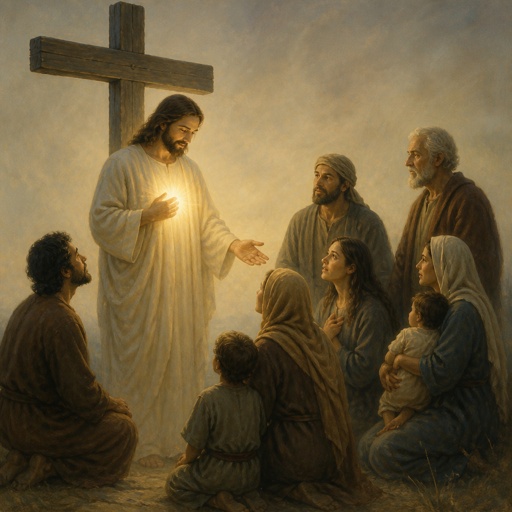
"For the love of Christ constraineth us; because we thus judge, that if one died for all, then were all dead:" - 2 Corinthians 5:14

James 5:14-15

2 Corinthians 5:15 - "And that he died for all, that they which live should not henceforth live unto themselves, but unto him which died for them, and rose again."

1 Corinthians 15:5 - "And that he was seen of Cephas, then of the twelve:"

2 Corinthians 5:17

2 Corinthians 5:17

2 Corinthians 5:17

2 Corinthians 5:17

2 Corinthians 5:17

2 Corinthians 5:17

2 Corinthians 5:17

2 Corinthians 5:17

2 Corinthians 5:17

2 Corinthians 5:17

2 Corinthians 5:17

1 Corinthians 15:14 - "And if Christ be not risen, then is our preaching vain, and your faith is also vain."

2 corinthians 10:3-5

2 corinthians 10:3-5

2 corinthians 10:3-5

2 corinthians 10:3-5

2 corinthians 10:3-5

2 corinthians 10:3-5

2 corinthians 10:3-5

2 corinthians 10:3-5

2 corinthians 10:3-5

2 corinthians 10:3-5