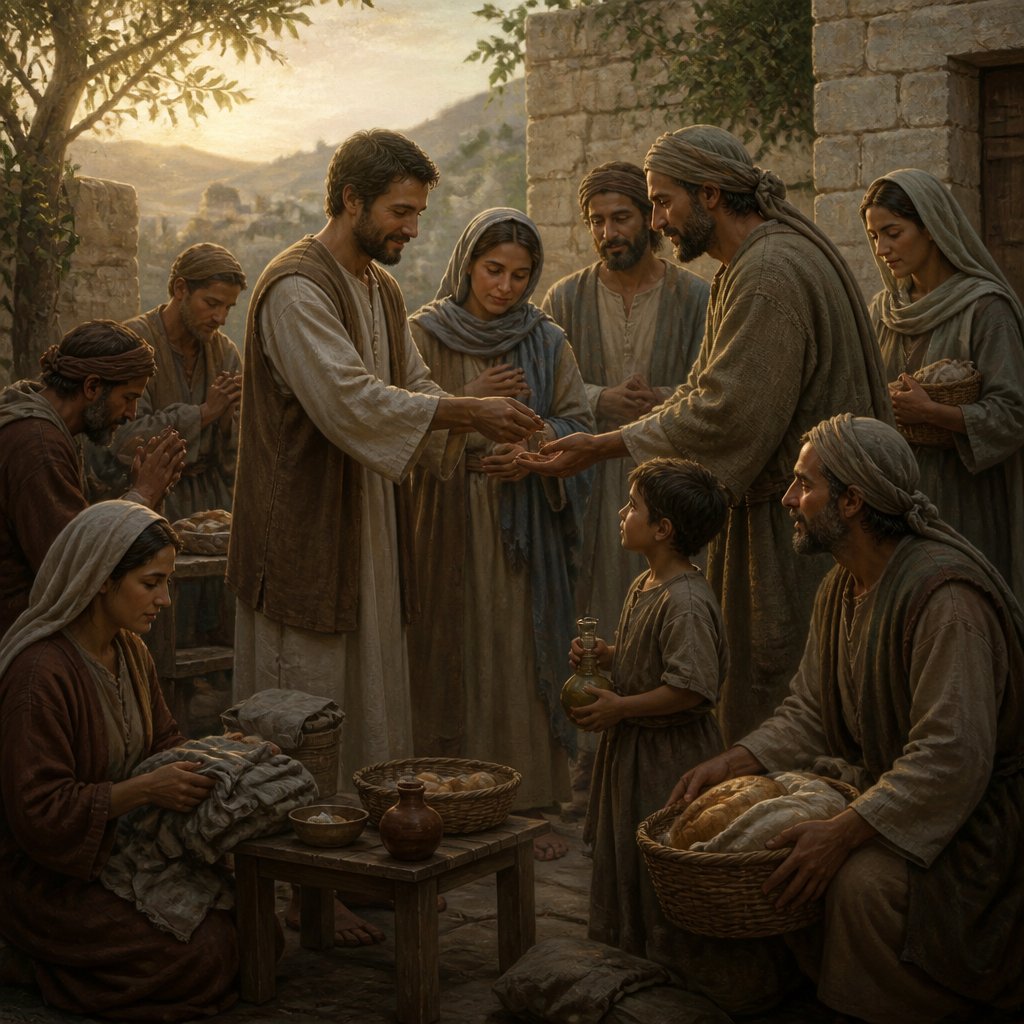
2 Corinthians 8:1-5 (KJV) says, "Moreover, brethren, we do you to wit of the grace of God bestowed on the churches of Macedonia; How that in a great trial of affliction the abundance of their joy and their deep poverty abounded unto the riches of their liberality. For to their power, I bear record, yea, and beyond their power they were willing of themselves; Praying us with much entreaty that we would receive the gift, and take upon us the fellowship of the ministering to the saints. And this they did, not as we hoped, but first gave their own selves to the Lord, and unto us by the will of God."
In the heart of Paul’s letter to the Corinthians lies a profound testimony of grace, generosity, and the remarkable power of self-sacrifice. The churches of Macedonia, which included cities like Philippi and Thessalonica, were going through tremendous trials and persecutions. They faced deep poverty and hardship, yet out of that very lack, they stirred up an abundance of joy that translated into generosity. How striking it is that in the face of affliction, their poverty actually amplified their willingness to give!
To understand the depth of this teaching, we must pause and consider the backdrop. The Macedonian churches were not rich in monetary wealth; rather, they were rich in spirit. Their circumstances were dire, yet instead of retreating into despair, they extended their hearts beyond themselves. Paul highlights that they gave more than what was expected—this was not mere compliance to a request; it was a voluntary outpouring of their love and commitment to God. Therein lies a principle: true generosity is not a reflection of one’s bank account but rather a testament of one’s heart.
The phrase, "not as we hoped, but first gave their own selves to the Lord," is rich in significance. The Macedonians were not just giving out of their surplus; they were offering themselves first. This act of surrender is foundational to any act of service or giving. When we present ourselves to God, we re-align our motives and our priorities. Their giving was not merely a transaction but a sacred expression of their devotion and an acknowledgment of their dependence on God’s grace.
When considering our own lives, we might ask ourselves: what do we cling to that keeps us from giving freely to others? Are there resources, time, or emotional energy that we hoard? The Macedonians reveal a powerful truth that when we surrender our lives first to the Lord, every other act of giving or service becomes an overflow of that commitment. It is love poured out, not out of obligation but out of delight in Christ.
The scripture continues with the idea that they prayed—or rather, begged—to be partakers in ministering to the saints. This willingness speaks to a deep understanding of community and the body of Christ. It is not about the individual benefiting but the church being built up together. They recognized that their struggle united them with other believers. Unselfishness flourishes when we understand that we are part of something larger than ourselves.
Let us reflect on our relationship with God and our willingness to serve His people. Are we giving as the Macedonians did? Are we coming to God asking Him how we can minister to others? Generosity can emerge from the unlikeliest places, especially when it is rooted in a surrendered heart. May we learn to first offer ourselves entirely to God so that we might be conduits of His grace to those in need.
In conclusion, the example of the Macedonian churches serves as a powerful reminder that true liberal giving originates from the heart that has willingly given itself to Christ. When we prioritize our relationship with Him, every act of service becomes a joyful response, a testimony to His faithfulness, and a reflection of His love in action. Let us strive to embody this spirit of generosity in our lives, understanding that it is in giving that we truly receive.
Get our apps


Artwork for 2 Corinthians 8:1-5

2 Corinthians 8:1-5 - "And now, brothers and sisters, we want you to know about the grace that God has given the Macedonian churches. In the midst of a very severe trial, their overflowing joy and their extreme poverty welled up in rich generosity. For I testify that they gave as much as they were able, and even beyond their ability. Entirely on their own, they urgently pleaded with us for the privilege of sharing in this service to the Lord’s people. And they exceeded our expectations: They gave themselves first of all to the Lord, and then by the will of God also to us."
"And now, brothers and sisters, we want you to know about the grace that God has given the Macedonian churches. In the midst of a very severe trial, their overflowing joy and their extreme poverty welled up in rich generosity. For I testify that they gave as much as they were able, and even beyond their ability. Entirely on their own, they urgently pleaded with us for the privilege of sharing in this service to the Lord’s people. And they exceeded our expectations: They gave themselves first of all to the Lord, and then by the will of God also to us." - 2 Corinthians 8:1-5

2 Corinthians 8:1 - "Moreover, brethren, we do you to wit of the grace of God bestowed on the churches of Macedonia;"
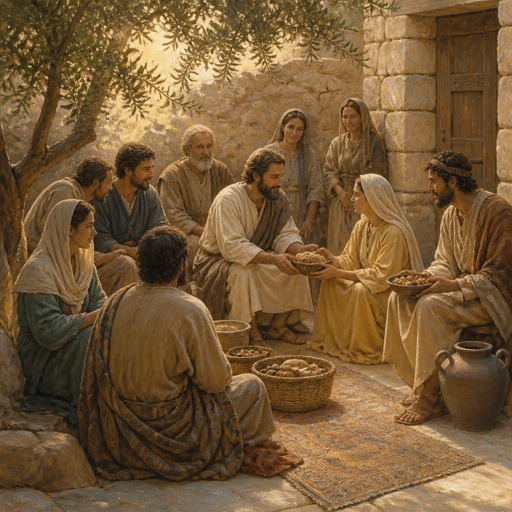
"Moreover, brethren, we do you to wit of the grace of God bestowed on the churches of Macedonia;" - 2 Corinthians 8:1

1 Corinthians 8:5 - "For though there be that are called gods, whether in heaven or in earth, (as there be gods many, and lords many,)"

2 Corinthians 8:5 - "And this they did, not as we hoped, but first gave their own selves to the Lord, and unto us by the will of God."

2 Corinthians 5:8 - "We are confident, I say, and willing rather to be absent from the body, and to be present with the Lord."

Hebrews 8:1-5

1 Corinthians 2:5 - "That your faith should not stand in the wisdom of men, but in the power of God."
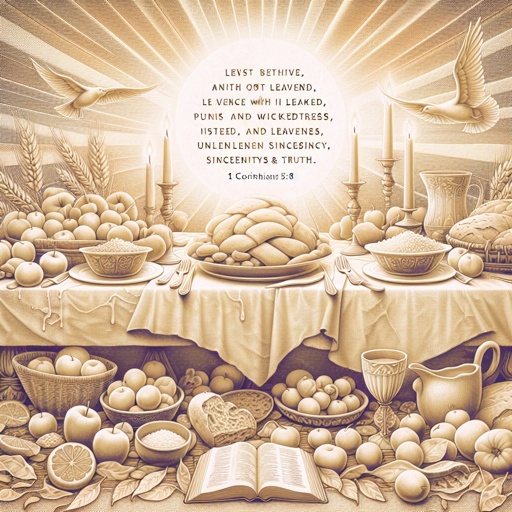
1 Corinthians 5:8 - "Therefore let us keep the feast, not with old leaven, neither with the leaven of malice and wickedness; but with the unleavened bread of sincerity and truth."

1 Corinthians 2:8 - "Which none of the princes of this world knew: for had they known it, they would not have crucified the Lord of glory."

The old has gone, the new is here. — 2 Corinthians 5:17

2 corinthians 10:3-5

2 corinthians 10:3-5

2 corinthians 10:3-5

2 corinthians 10:3-5

2 corinthians 10:3-5

2 corinthians 10:3-5

2 corinthians 10:3-5

2 corinthians 10:3-5

2 corinthians 10:3-5

2 corinthians 10:3-5

1 Corinthians 8:2 - "And if any man think that he knoweth any thing, he knoweth nothing yet as he ought to know."

2 corinthians 10:3-5

2 corinthians 10:3-5

1 Corinthians 5:2 - "And ye are puffed up, and have not rather mourned, that he that hath done this deed might be taken away from among you."

1 Corinthians 8:1 - "Now as touching things offered unto idols, we know that we all have knowledge. Knowledge puffeth up, but charity edifieth."
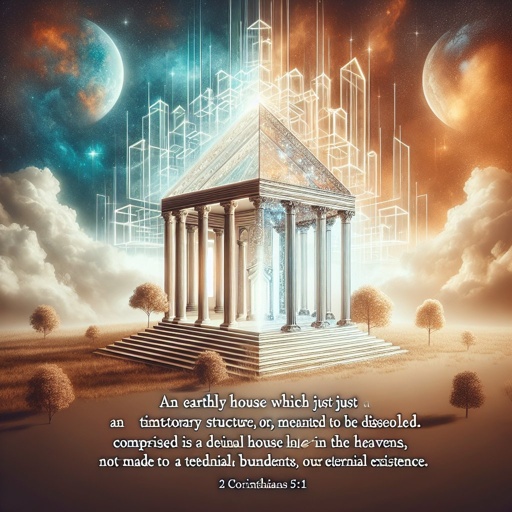
2 Corinthians 5:1 - "For we know that if our earthly house of this tabernacle were dissolved, we have a building of God, an house not made with hands, eternal in the heavens."

2 Corinthians 5:17

2 Corinthians 5:17