The Price of God’s Judgment: Lessons from Jehu's Zeal
“And when he came to Samaria, he slew all that remained unto Ahab in Samaria, till he had destroyed him, according to the saying of the LORD, which he spake to Elijah.” — 2 Kings 10:17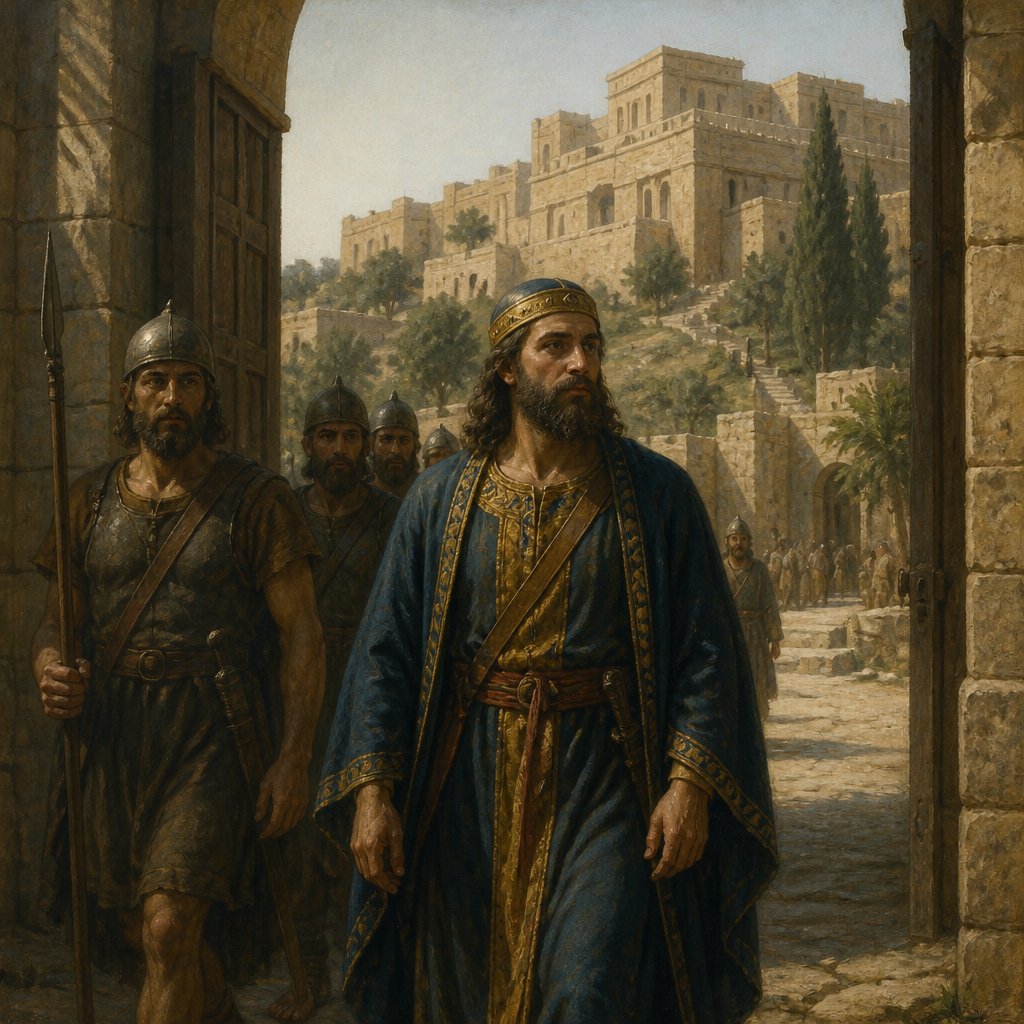
The biblical account of 2 Kings 10:17 reads: "And when he came to Samaria, he slew all that remained unto Ahab in Samaria, till he had destroyed him, according to the saying of the LORD, which he spake to Elijah." This verse encapsulates a moment of divine judgment that unfolds under the leadership of Jehu, who was commissioned to purge the remnants of Ahab's dynasty. While this narrative may seem grim, it serves as a potent reminder of God’s sovereignty and the serious implications of sin.
To comprehend the depth of this passage, we must revisit the broader context of the Kingdom of Israel during Ahab’s rule. Ahab was notorious for his idolatry, leading the people astray with the worship of Baal. The consequences of his sin were not just personal but national, ensnaring Israel in a web of moral decay and spiritual corruption. God’s patience is admirable, yet, as foretold through Elijah, divine mercy has its limits. Ahab’s death was just the beginning; it was the precursor to a more significant reckoning.
Jehu’s arrival in Samaria is more than a mere historical fact; it embodies the reality that God’s justice would ultimately prevail. When Jehu was anointed king, he was bestowed with a divine mandate: to vanquish the House of Ahab and cleanse Israel of its idolatry. His actions were not driven by personal vendetta or political ambition; they were a direct response to God’s instruction. Jehu executed God’s judgment swiftly and decisively—he "slew all that remained unto Ahab in Samaria"—a complete eradication of a lineage entrenched in sin. This intensity is shocking and may provoke discomfort; it stretches our understanding of justice, mercy, and divine retribution.
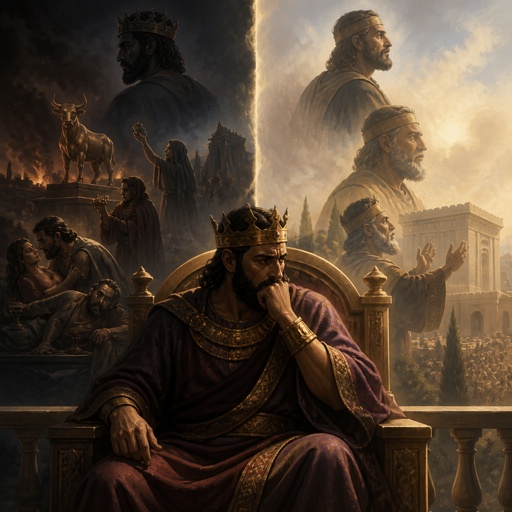
As believers, we are often encouraged to embrace love and compassion, and rightly so, for these are foundational aspects of our faith. However, the story of Jehu invites us to confront the reality of God’s holiness. God is infinitely loving but equally just. His love does not overlook sin; rather, it seeks to redeem and restore. The destruction of Ahab’s lineage signals the gravity of sin and the lengths God might go to protect His people from the perils of turning away from Him. Jehu’s actions demonstrate a zealous commitment to this holy mandate, reminding us that there is a cost to allowing sin to thrive within our hearts and communities.
In our pursuit of living a righteous life, we must ask ourselves if we too are willing to confront the remnants of sin that linger within us. Jehu's fierce execution of what God commanded serves as both an inspiration and a cautionary tale. Are we willing to tear down the altars of false worship in our lives? The things we idolize may not mirror Ahab’s Baal, but they can certainly be anything that replaces our devotion to God. It could be our careers, relationships, or even the pursuit of comfort and security. Jehu urges us to act with boldness and forsake anything that may come between us and our relationship with God.
Moreover, the weight of Jehu’s mission implores us to reflect on our role in our communities. Are we advocates for truth and righteousness? Are we prepared to uphold God’s standards even when they conflict with societal norms? This requires courage, for standing against the tide can lead to resistance or isolation. Yet, like Jehu, we are called to fulfill our part in God’s plan without wavering.
In conclusion, the narrative of Jehu and the demise of Ahab’s house illustrates the depth of God's commitment to His word and His people. As we ponder 2 Kings 10:17, let us not only recognize the weight of judgment against sin but also grasp the profound love that accompanies God's justice. His desire is for us to turn away from destruction and toward life, and in doing so, we fulfill the divine standby to restore, redeem, and renew. Let this serve as a testimony that we, too, must be willing to engage in the difficult work of sanctification, both in our lives and the lives of those around us.
Get our apps


Artwork for 2 Kings 10:17

2 Kings 10:17 - "And when he came to Samaria, he slew all that remained unto Ahab in Samaria, till he had destroyed him, according to the saying of the LORD, which he spake to Elijah."
"And when he came to Samaria, he slew all that remained unto Ahab in Samaria, till he had destroyed him, according to the saying of the LORD, which he spake to Elijah." - 2 Kings 10:17

2 Kings 17:10 - "And they set them up images and groves in every high hill, and under every green tree:"

2 Kings 17:2 - "And he did that which was evil in the sight of the LORD, but not as the kings of Israel that were before him."

Joshua 10:17 - "And it was told Joshua, saying, The five kings are found hid in a cave at Makkedah."

2 Kings 19:17 - "Of a truth, LORD, the kings of Assyria have destroyed the nations and their lands,"

"And they set them up images and groves in every high hill, and under every green tree:" - 2 Kings 17:10

1 Kings 17:2 - "And the word of the LORD came unto him, saying,"

1 Kings 10:17 - "And he made three hundred shields of beaten gold; three pound of gold went to one shield: and the king put them in the house of the forest of Lebanon."
2 Kings 17:2 - "And he did that which was evil in the sight of the LORD, but not as the kings of Israel that were before him."

2 Kings 17:40 - "Howbeit they did not hearken, but they did after their former manner."

Revelation 17:10 - "And there are seven kings: five are fallen, and one is, and the other is not yet come; and when he cometh, he must continue a short space."

2 Kings 3:10 - "And the king of Israel said, Alas! that the LORD hath called these three kings together, to deliver them into the hand of Moab!"

2 Kings 17:8 - "And walked in the statutes of the heathen, whom the LORD cast out from before the children of Israel, and of the kings of Israel, which they had made."

2 Kings 21:17 - "¶ Now the rest of the acts of Manasseh, and all that he did, and his sin that he sinned, are they not written in the book of the chronicles of the kings of Judah?"

2 Kings 10:28 - "Thus Jehu destroyed Baal out of Israel."

2 Corinthians 10:17 - "But he that glorieth, let him glory in the Lord."

2 Kings 21:10 - "¶ And the LORD spake by his servants the prophets, saying,"

2 Kings 10:4 - "But they were exceedingly afraid, and said, Behold, two kings stood not before him: how then shall we stand?"

2 Kings 17:17 - "And they caused their sons and their daughters to pass through the fire, and used divination and enchantments, and sold themselves to do evil in the sight of the LORD, to provoke him to anger."

"And he did that which was evil in the sight of the LORD, but not as the kings of Israel that were before him." - 2 Kings 17:2

2 Kings 10:34 - "Now the rest of the acts of Jehu, and all that he did, and all his might, are they not written in the book of the chronicles of the kings of Israel?"

2 Kings 10:20 - "And Jehu said, Proclaim a solemn assembly for Baal. And they proclaimed it."

"Of a truth, LORD, the kings of Assyria have destroyed the nations and their lands," - 2 Kings 19:17

2 Kings 10:16-17 - "And he said, Come with me, and see my zeal for the Lord. So they made him ride in his chariot. And when he came to Samaria, he killed all who remained to Ahab in Samaria, till he had wiped them out, according to the word of the Lord that he spoke to Elijah."

2 Kings 17:19 - "Also Judah kept not the commandments of the LORD their God, but walked in the statutes of Israel which they made."

"Thus Jehu destroyed Baal out of Israel." - 2 Kings 10:28

2 Kings 17:5 - "¶ Then the king of Assyria came up throughout all the land, and went up to Samaria, and besieged it three years."

1 Kings 2:10 - "So David slept with his fathers, and was buried in the city of David."

2 Kings 10:26 - "And they brought forth the images out of the house of Baal, and burned them."