Servants to a True King: A Reflection on 2 Kings 10:5
“And he that was over the house, and he that was over the city, the elders also, and the bringers up of the children, sent to Jehu, saying, We are thy servants, and will do all that thou shalt bid us; we will not make any king: do thou that which is good in thine eyes.” — 2 Kings 10:5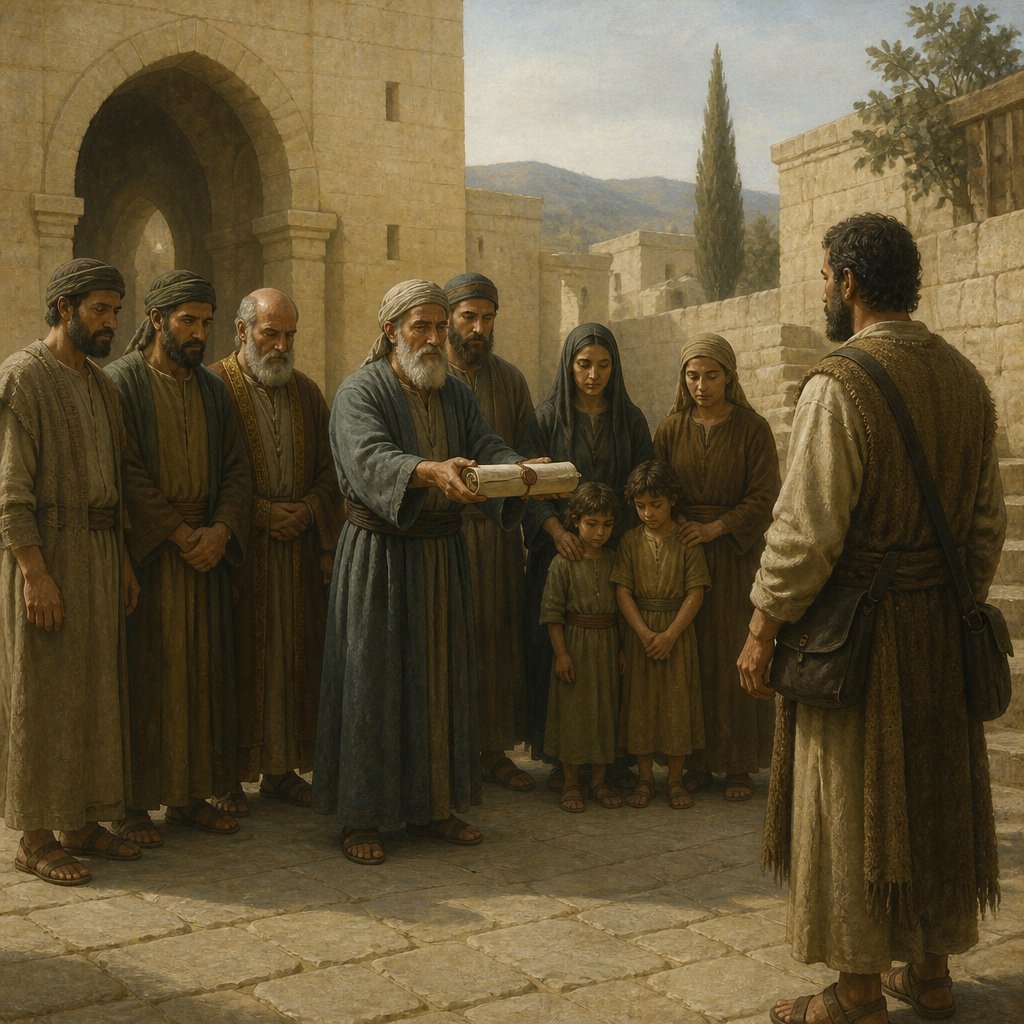
In the narrative of 2 Kings 10:5, we encounter a decisive moment in the history of Israel during a time of political upheaval and conflict. The verse reads: "And he that was over the house, and he that was over the city, the elders also, and the bringers up of the children, sent to Jehu, saying, We are thy servants, and will do all that thou shalt bid us; we will not make any king: do thou that which is good in thine eyes." This moment captures the essence of loyalty, the searching for wisdom in leadership, and the profound role of surrender in the face of divine calling.
Firstly, it is essential to understand the context of this passage. Jehu was anointed king by a prophet at God’s command to purge the house of Ahab and rid Israel of the idolatrous practices that had led the nation away from Yahweh. The messengers—leaders of the city, elders, and caretakers of the children—recognized the dire need for change and the importance of following a leader who was aligned with God’s purposes. They sent an appeal to Jehu, expressing their willingness to serve under his leadership, recognizing the divine mandate upon him.
When these leaders state, "We are thy servants," they reflect a heart posture that many Christians today could benefit from adopting. In a world that often exalts independence and personal ambition, the conscious choice to serve can be a radical act of faith. They understood that true leadership is not just about wielding power but about serving with humility and integrity. The shift from serving self to serving God, and those appointed by Him, is an act of submission that invites God's blessings into the community.
The leaders continued, saying, "...we will not make any king: do thou that which is good in thine eyes." Their declaration is striking as they renounce the potential for their own agenda in favor of Jehu’s divine commission. They entrusted their future to Jehu, not merely as an individual but as God’s chosen vessel. This evokes a question for us: Are we willing to surrender our will for God’s will? Are we ready to trust God's chosen leaders or, in our own lives, the direction He has placed before us?
This passage also implies a deep level of discernment. The leaders did not simply submit blindly to Jehu; they sought clarity in recognizing his anointing. It highlights the importance of understanding and hearing God’s voice in leadership. As believers, we need to be keenly aware of whom we are following and ensuring that they are leading in God’s ways. This discernment is crucial, especially in our current times when we are inundated with various voices vying for our allegiance.
Moreover, there is a timeless battle that each believer faces: the battle of submission versus rebellion. We see in this text the struggle between God's ways and human inclinations toward self-governance. Just as Israel had to contend with Ahab’s idolatrous reign, we must confront the temptation to prioritize personal ambition over God's desire for our lives. As followers of Christ, it is our duty to actively seek His guidance and to align ourselves with His trajectory.
The phrase "do thou that which is good in thine eyes" captures an essence of moral clarity and righteousness. Jehu was urged to act with integrity, something that remains relevant in our culture today. In our lives, how can we echo this sentiment? Are we inviting our leaders to seek the good, the righteous, the just. What does it mean for us to uphold and support leaders in our communities, churches, and families?
In conclusion, 2 Kings 10:5 beckons us to reflect on our role as servants not only to earthly leaders but to our heavenly King. May we learn to trust, submit, and discern wisely in our walk of faith. May we echo the sentiments of those who sought wisdom in their leadership, declaring that we are His servants, ready to do that which is good in His sight.
Get our apps


Artwork for 2 Kings 10:5

2 Kings 10:5 - "And he that was over the house, and he that was over the city, the elders also, and the bringers up of the children, sent to Jehu, saying, We are thy servants, and will do all that thou shalt bid us; we will not make any king: do thou that which is good in thine eyes."
"And he that was over the house, and he that was over the city, the elders also, and the bringers up of the children, sent to Jehu, saying, We are thy servants, and will do all that thou shalt bid us; we will not make any king: do thou that which is good in thine eyes." - 2 Kings 10:5

2 Kings 5:10 - "And Elisha sent a messenger unto him, saying, Go and wash in Jordan seven times, and thy flesh shall come again to thee, and thou shalt be clean."

2 corinthians 10:3-5

2 corinthians 10:3-5

2 corinthians 10:3-5

2 corinthians 10:3-5

2 corinthians 10:3-5

2 corinthians 10:3-5

2 corinthians 10:3-5

2 corinthians 10:3-5

2 corinthians 10:3-5

2 corinthians 10:3-5

2 corinthians 10:3-5

2 corinthians 10:3-5

Revelation 5:10 - "And hast made us unto our God kings and priests: and we shall reign on the earth."

1 Kings 5:2 - "And Solomon sent to Hiram, saying,"

2 Kings 3:10 - "And the king of Israel said, Alas! that the LORD hath called these three kings together, to deliver them into the hand of Moab!"

2 Kings 4:4-5

1 Kings 5:10 - "So Hiram gave Solomon cedar trees and fir trees according to all his desire."

2 Kings 19:5 - "So the servants of king Hezekiah came to Isaiah."

2 Kings 24:5 - "¶ Now the rest of the acts of Jehoiakim, and all that he did, are they not written in the book of the chronicles of the kings of Judah?"

2 Kings 10:28 - "Thus Jehu destroyed Baal out of Israel."

2 Kings 21:10 - "¶ And the LORD spake by his servants the prophets, saying,"

2 Kings 10:4 - "But they were exceedingly afraid, and said, Behold, two kings stood not before him: how then shall we stand?"

2 Kings 10:34 - "Now the rest of the acts of Jehu, and all that he did, and all his might, are they not written in the book of the chronicles of the kings of Israel?"

2 Kings 10:20 - "And Jehu said, Proclaim a solemn assembly for Baal. And they proclaimed it."

"Thus Jehu destroyed Baal out of Israel." - 2 Kings 10:28

2 corinthians 10:3-5

1 Kings 2:10 - "So David slept with his fathers, and was buried in the city of David."