The Silent Echoes of Idolatry
“And there they burnt incense in all the high places, as did the heathen whom the LORD carried away before them; and wrought wicked things to provoke the LORD to anger:” — 2 Kings 17:11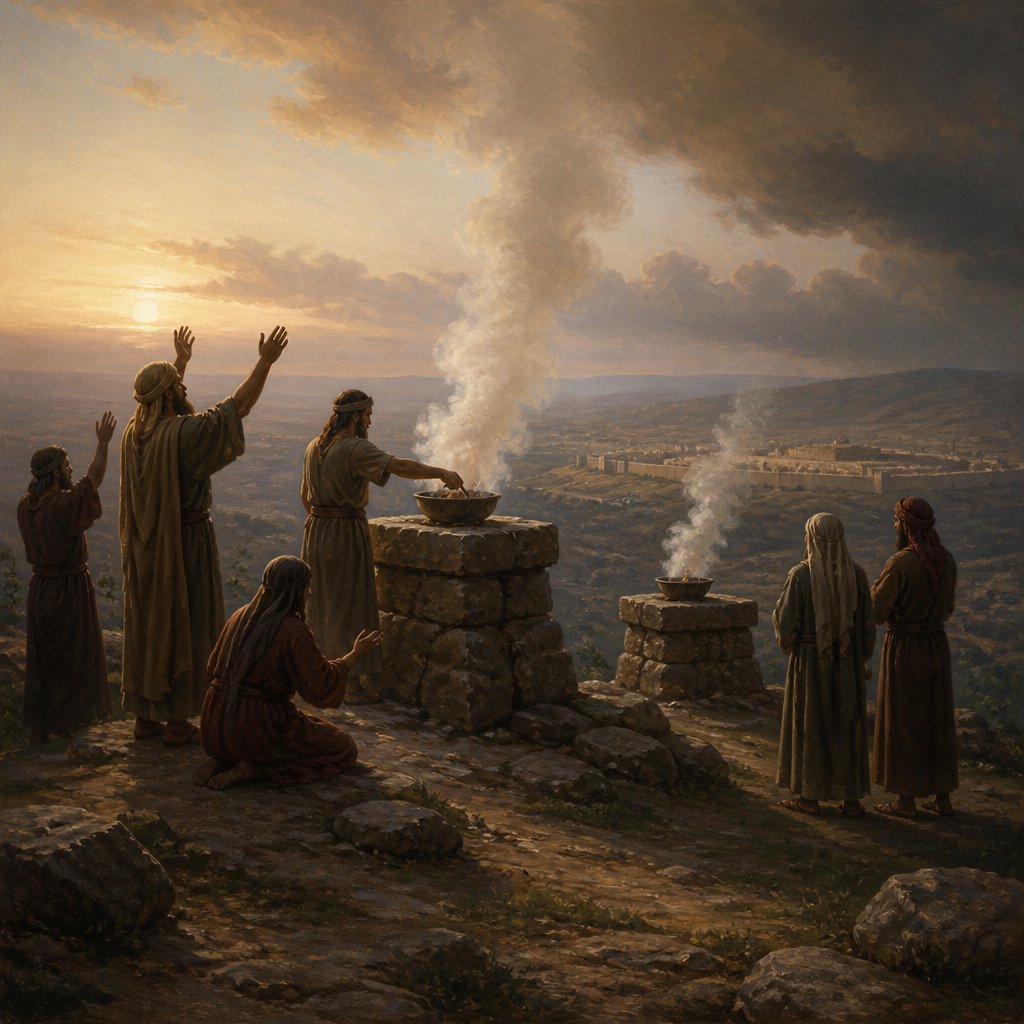
In 2 Kings 17:11, the scripture states, "And there they burnt incense in all the high places, as did the heathen whom the LORD carried away before them; and wrought wicked things to provoke the LORD to anger.” This verse encapsulates a critical moment in the history of Israel, illustrating the dire consequences of turning away from God towards the practices of surrounding nations. It serves as a resounding reminder of the danger inherent in adopting the customs of a world that is in opposition to divine principles.
In the narrative leading to this poignant verse, we witness the downfall of the Northern Kingdom of Israel, a people who had known the steadfast love and provision of God yet chose to forsake His commands. Their practice of burning incense in high places—a custom rooted in idolatry—signified their deliberate choice to worship created things rather than the Creator. The high places were often associated with pagan rituals, where sacrifices and offerings were made to false gods, inviting the anger of the Lord that came to fruition through their impenitence.
When the text mentions "the heathen whom the LORD carried away before them," it serves as a poignant reminder that the nation of Israel was well aware of the consequences of turning to idolatry. The account alludes to the Assyrian conquest that had previously removed the northern tribes of Israel. Despite witnessing the fate of those who had deviated from the will of God, the Israelites replicated their errors by embracing the very practices that had led to the expulsion of other nations.
The phrase "wrought wicked things to provoke the LORD to anger" paints a vivid picture of their blatant rebellion. It prompts us to reflect on what it means to provoke the Lord. In our contemporary lives, we may not be involved in burning incense at high places, yet we are often drawn into a form of idolatry—placing our trust and devotion in things or ideals that distract us from a pure and devoted relationship with God.
We must not forget that idolatry can reside in the heart, as the Apostle Paul suggested when he wrote to the Colossians about covetousness, declaring it to be idolatry (Colossians 3:5). This means that anything we prioritize over our relationship with God can become a high place of worship that stirs the same anger in God that the Israelites experienced.
Engaging in such practices not only affects our relationship with God but, as seen in Israel’s history, has communal and generational repercussions. The Israelites fell into the trap of complacency, believing they could adopt foreign customs and still maintain their identity as God’s chosen people. Their spiritual naivety cost them greatly, as it often does to those of us who straddle the line between faithfulness to God and conformity to worldly standards.
As we meditate on 2 Kings 17:11, let it serve as a clarion call to examine our own lives. What high places have we allowed to exist? What practices have crept into our daily routines that distract us from the call of righteousness? When we observe the Israelites, we should not cast judgment but rather see a reflection of our tendencies to misplace our worship.
The good news is that God, in His relentless love and mercy, remains accessible. When we acknowledge and renounce our idols—be they possessions, ambitions, or relationships—we are met with grace and the opportunity for restoration. The great lesson here is not only found in what Israel lost, but also in the hope that exists in turning back to the Lord. Let us strive to foster an undivided heart, committed to Him alone, that we might learn from the failures of those before us and walk firmly in His ways, avoiding the high places that lead to ruin.
Get our apps


Artwork for 2 Kings 17:11

2 Kings 17:11 - "And there they burnt incense in all the high places, as did the heathen whom the LORD carried away before them; and wrought wicked things to provoke the LORD to anger:"
"And there they burnt incense in all the high places, as did the heathen whom the LORD carried away before them; and wrought wicked things to provoke the LORD to anger:" - 2 Kings 17:11

2 Kings 11:17 - "¶ And Jehoiada made a covenant between the LORD and the king and the people, that they should be the LORD'S people; between the king also and the people."

2 Kings 17:2 - "And he did that which was evil in the sight of the LORD, but not as the kings of Israel that were before him."
2 Kings 2:11
2 Kings 2:11
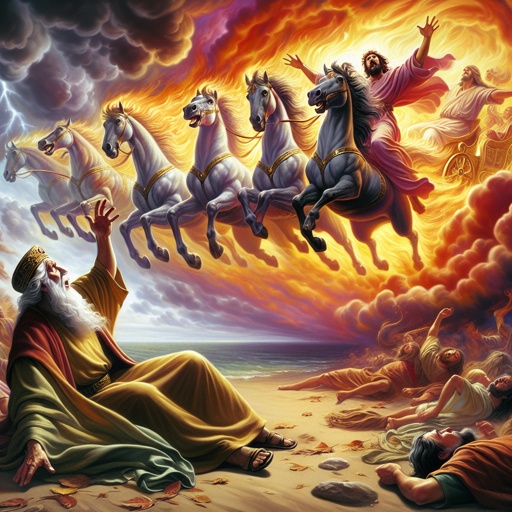
2 Kings 2:11

2 Kings 19:17 - "Of a truth, LORD, the kings of Assyria have destroyed the nations and their lands,"
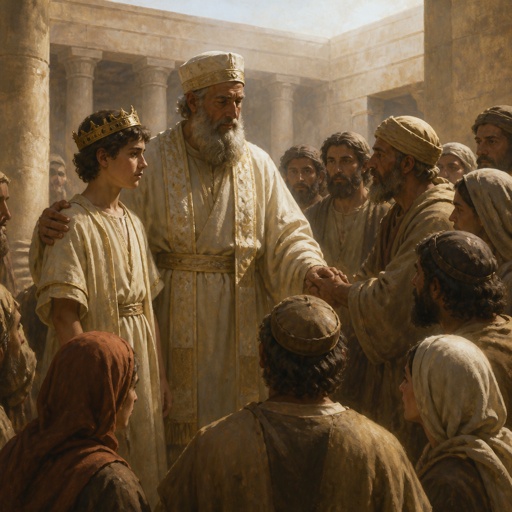
"¶ And Jehoiada made a covenant between the LORD and the king and the people, that they should be the LORD'S people; between the king also and the people." - 2 Kings 11:17

2 Kings 15:11 - "And the rest of the acts of Zachariah, behold, they are written in the book of the chronicles of the kings of Israel."

1 Kings 17:2 - "And the word of the LORD came unto him, saying,"
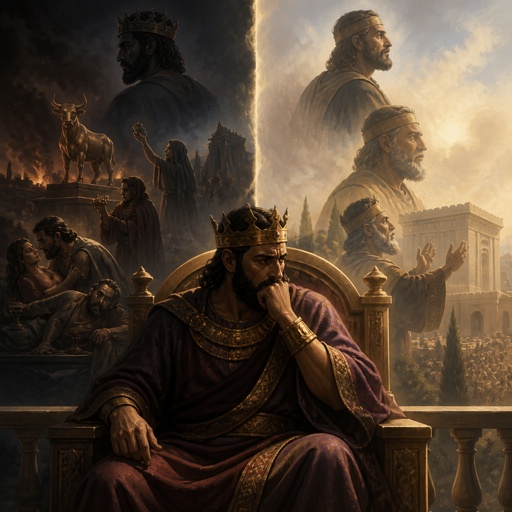
2 Kings 17:2 - "And he did that which was evil in the sight of the LORD, but not as the kings of Israel that were before him."

2 Kings 17:40 - "Howbeit they did not hearken, but they did after their former manner."

1 Kings 17:11 - "And as she was going to fetch it, he called to her, and said, Bring me, I pray thee, a morsel of bread in thine hand."

2 Kings 7:11 - "And he called the porters; and they told it to the king's house within."

2 Kings 17:8 - "And walked in the statutes of the heathen, whom the LORD cast out from before the children of Israel, and of the kings of Israel, which they had made."

2 Kings 21:17 - "¶ Now the rest of the acts of Manasseh, and all that he did, and his sin that he sinned, are they not written in the book of the chronicles of the kings of Judah?"

1 Kings 11:17 - "That Hadad fled, he and certain Edomites of his father's servants with him, to go into Egypt; Hadad being yet a little child."

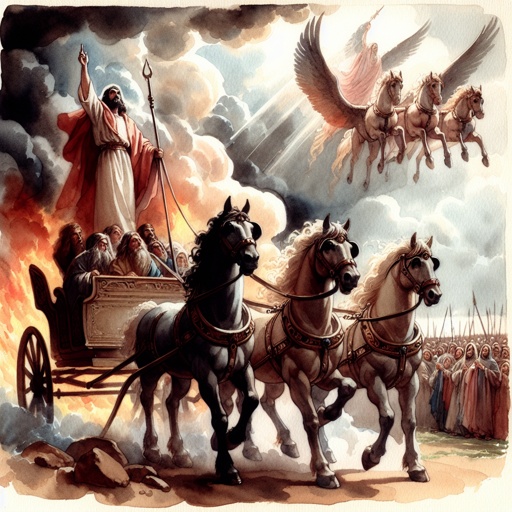
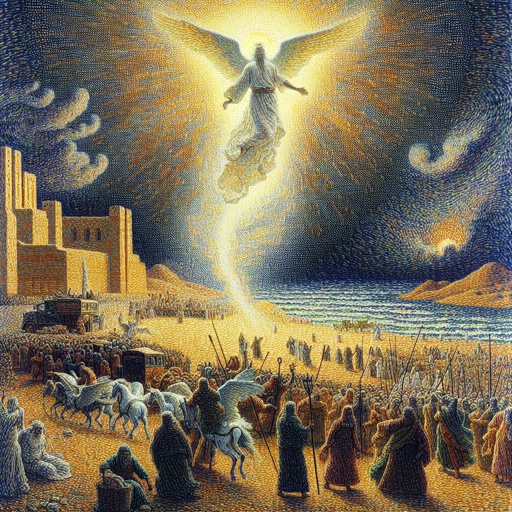
2 Kings 2:11 – "As they were walking along and talking together, suddenly a chariot of fire and horses of fire appeared."

2 Kings 17:17 - "And they caused their sons and their daughters to pass through the fire, and used divination and enchantments, and sold themselves to do evil in the sight of the LORD, to provoke him to anger."

"And he did that which was evil in the sight of the LORD, but not as the kings of Israel that were before him." - 2 Kings 17:2

"Of a truth, LORD, the kings of Assyria have destroyed the nations and their lands," - 2 Kings 19:17

2 Kings 11:21 - "Seven years old was Jehoash when he began to reign."

2 Kings 17:19 - "Also Judah kept not the commandments of the LORD their God, but walked in the statutes of Israel which they made."

2 Kings 24:11 - "And Nebuchadnezzar king of Babylon came against the city, and his servants did besiege it."

2 Kings 19:11 - "Behold, thou hast heard what the kings of Assyria have done to all lands, by destroying them utterly: and shalt thou be delivered?"

2 Kings 17:5 - "¶ Then the king of Assyria came up throughout all the land, and went up to Samaria, and besieged it three years."

2 Kings 24:17 - "¶ And the king of Babylon made Mattaniah his father's brother king in his stead, and changed his name to Zedekiah."

2 Kings 4:11 - "And it fell on a day, that he came thither, and he turned into the chamber, and lay there."

2 Kings 17:22 - "For the children of Israel walked in all the sins of Jeroboam which he did; they departed not from them;"