The Goodness of God's Word in Troubling Times
“Then said Hezekiah unto Isaiah, Good is the word of the LORD which thou hast spoken. And he said, Is it not good, if peace and truth be in my days?” — 2 Kings 20:19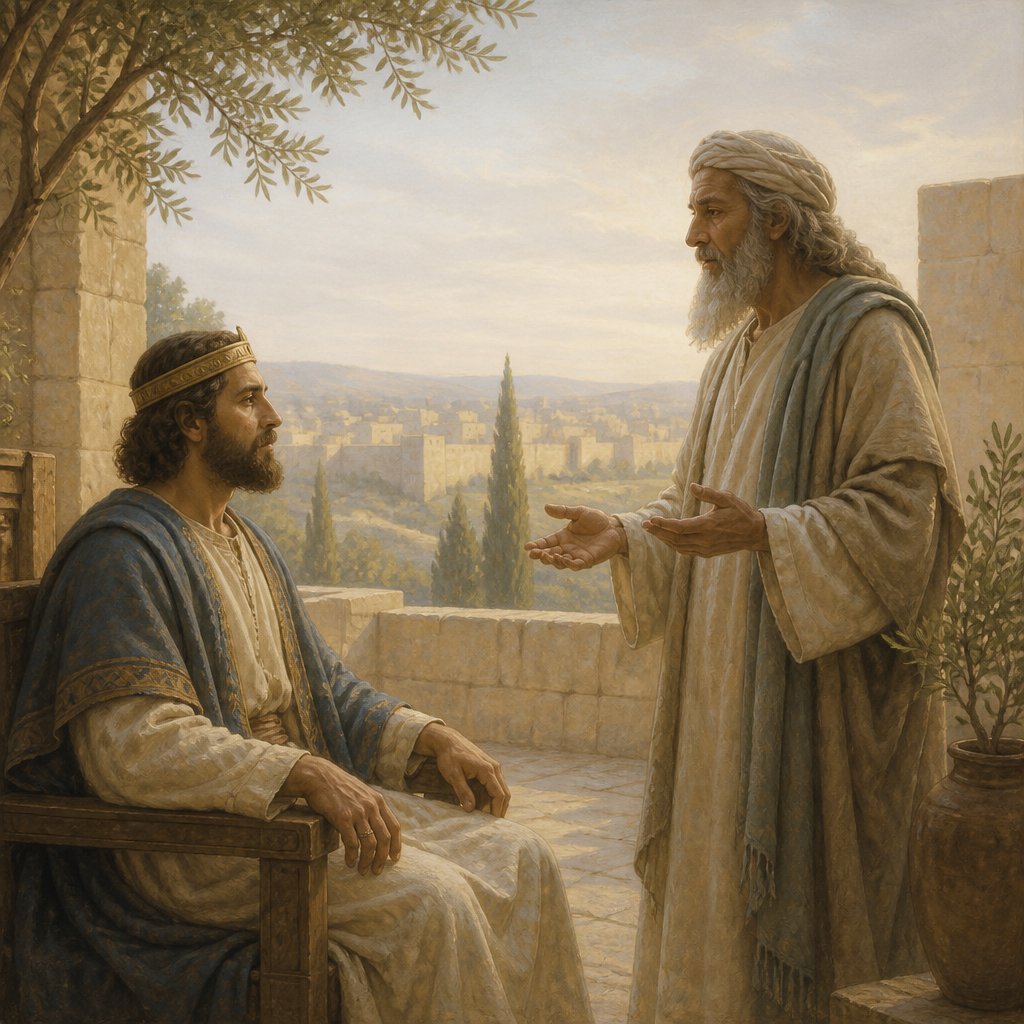
The passage in 2 Kings 20:19 provides us with a profound insight into the nature of peace and the hope that one can find in God’s promises, even amidst trials. The verse states, "Then said Hezekiah unto Isaiah, Good is the word of the LORD which thou hast spoken. And he said, Is it not good, if peace and truth be in my days?" Here, we encounter King Hezekiah, a man of faith who recognized the weight and worth of God's word, especially during a tumultuous time in his life.
### The Context of the Promise
To fully grasp the essence of Hezekiah’s statement, we must first appreciate the context in which he spoke. Hezekiah was facing a dire situation; the Assyrians were threatening his kingdom, and he had just received a report from the prophet Isaiah about his impending death. Instead of succumbing to despair, Hezekiah turned his face to the wall and earnestly prayed for God's mercy. God responded with a promise of healing and extended life, essentially granting Hezekiah an additional fifteen years. This miraculous intervention must have filled the king with immense gratitude and a desire to align his heart with God’s perspective.
### The Goodness of God's Word
When Hezekiah said, "Good is the word of the LORD which thou hast spoken," he acknowledged the inherent goodness and reliability of God’s promises. In a world where news is often filled with uncertainty and fear, recognizing the goodness of God's Word is foundational. Hezekiah's statement reflects a spirit of trust, an understanding that God's words do not return void but instead carry the power to shape reality and instill hope.
God's Word often comes to us not just as a source of comfort, but also as a call to action and a reassurance in times of crisis. When faced with looming threats—be it personal challenges, health crises, or societal upheavals—our ability to proclaim the goodness of God’s Word can anchor our souls and provide clarity in confusion. It assures us that amidst chaos, peace and truth can still reign in our hearts.
### Reflecting on Peace and Truth
The second part of Hezekiah’s response—"Is it not good, if peace and truth be in my days?"—leads us to an important theme: the desire for peace and truth is a universal longing. In our own lives, we can often find ourselves in periods of unrest. Questions swirl around us, and we yearn for tranquility and clarity. In a culture often marked by conflict, chasing after truth, and understanding its implications can feel overwhelming. Yet, in faith, we learn that God is the ultimate source of both peace and truth.
When Hezekiah reflects on the hope for peace and truth during his reign, he symbolizes the heart of every believer. Our days may undoubtedly be filled with trials, but God’s promise assures us that His peace can guard our hearts. Philippians 4:7 tells us that the peace of God, which passes all understanding, will keep your hearts and minds through Christ Jesus. When we immerse ourselves in biblical truth, we align with the nature of God, enabling us to embody His peace, even in hardship.
### Application in Prayer
May we adopt a posture similar to Hezekiah's in our prayer life. We can start by acknowledging the goodness of God’s Word amid our struggles. Recognizing that God hears our cries and acts on our behalf fosters a deeper relationship with Him. Furthermore, we should pray for peace and truth to permeate our lives and the lives of those around us, asking God to help us be vessels of His peace and truth in a world needing light.
In conclusion, let us remember that God’s Word is always good. As we traverse the unpredictability of life, may we cling to His promises, confidently proclaiming as Hezekiah did that it is indeed good if we can dwell in His peace and truth. Let us be agents of that peace in our communities, inviting others to experience the goodness of God through our words and actions.
Get our apps


Artwork for 2 Kings 20:19

2 Kings 20:19 - "Then said Hezekiah unto Isaiah, Good is the word of the LORD which thou hast spoken. And he said, Is it not good, if peace and truth be in my days?"
"Then said Hezekiah unto Isaiah, Good is the word of the LORD which thou hast spoken. And he said, Is it not good, if peace and truth be in my days?" - 2 Kings 20:19

2 Kings 19:20 - "¶ Then Isaiah the son of Amoz sent to Hezekiah, saying, Thus saith the LORD God of Israel, That which thou hast prayed to me against Sennacherib king of Assyria I have heard."

2 Kings 19:2

2 Kings 19:2

1 Kings 20:19 - "So these young men of the princes of the provinces came out of the city, and the army which followed them."

2 Kings 19:2

2 Kings 19:17 - "Of a truth, LORD, the kings of Assyria have destroyed the nations and their lands,"

2 Kings 20:20 - "¶ And the rest of the acts of Hezekiah, and all his might, and how he made a pool, and a conduit, and brought water into the city, are they not written in the book of the chronicles of the kings of Judah?"

2 Kings 12:19 - "¶ And the rest of the acts of Joash, and all that he did, are they not written in the book of the chronicles of the kings of Judah?"

2 Kings 3:16-19

2 Kings 16:19 - "¶ Now the rest of the acts of Ahaz which he did, are they not written in the book of the chronicles of the kings of Judah?"

2 Kings 20:2 - "Then he turned his face to the wall, and prayed unto the LORD, saying,"

2 Kings 19:5 - "So the servants of king Hezekiah came to Isaiah."

2 Kings 2:20 - "And he said, Bring me a new cruse, and put salt therein. And they brought it to him."

2 Kings 20:16 - "And Isaiah said unto Hezekiah, Hear the word of the LORD."

2 Kings 10:20 - "And Jehu said, Proclaim a solemn assembly for Baal. And they proclaimed it."

"So these young men of the princes of the provinces came out of the city, and the army which followed them." - 1 Kings 20:19

2 Kings 19:36 - "So Sennacherib king of Assyria departed, and went and returned, and dwelt at Nineveh."

2 Kings 19:13 - "Where is the king of Hamath, and the king of Arpad, and the king of the city of Sepharvaim, of Hena, and Ivah?"

2 Kings 25:20 - "And Nebuzar-adan captain of the guard took these, and brought them to the king of Babylon to Riblah:"

2 Kings 19:11 - "Behold, thou hast heard what the kings of Assyria have done to all lands, by destroying them utterly: and shalt thou be delivered?"

2 Kings 14:20 - "And they brought him on horses: and he was buried at Jerusalem with his fathers in the city of David."

2 Kings 20:21 - "And Hezekiah slept with his fathers: and Manasseh his son reigned in his stead."

2 Kings 21:20 - "And he did that which was evil in the sight of the LORD, as his father Manasseh did."

2 Kings 13:20 - "¶ And Elisha died, and they buried him. And the bands of the Moabites invaded the land at the coming in of the year."

2 Kings 20:7 - "And Isaiah said, Take a lump of figs. And they took and laid it on the boil, and he recovered."

2 Kings 11:20 - "And all the people of the land rejoiced, and the city was in quiet: and they slew Athaliah with the sword beside the king's house."

2 Kings 8:20 - "¶ In his days Edom revolted from under the hand of Judah, and made a king over themselves."

2 Kings 19:2 - "And he sent Eliakim, which was over the household, and Shebna the scribe, and the elders of the priests, covered with sackcloth, to Isaiah the prophet the son of Amoz."