The Weight of Innocent Blood: A Reflection on 2 Kings 21:16
“Moreover Manasseh shed innocent blood very much, till he had filled Jerusalem from one end to another; beside his sin wherewith he made Judah to sin, in doing that which was evil in the sight of the LORD.” — 2 Kings 21:16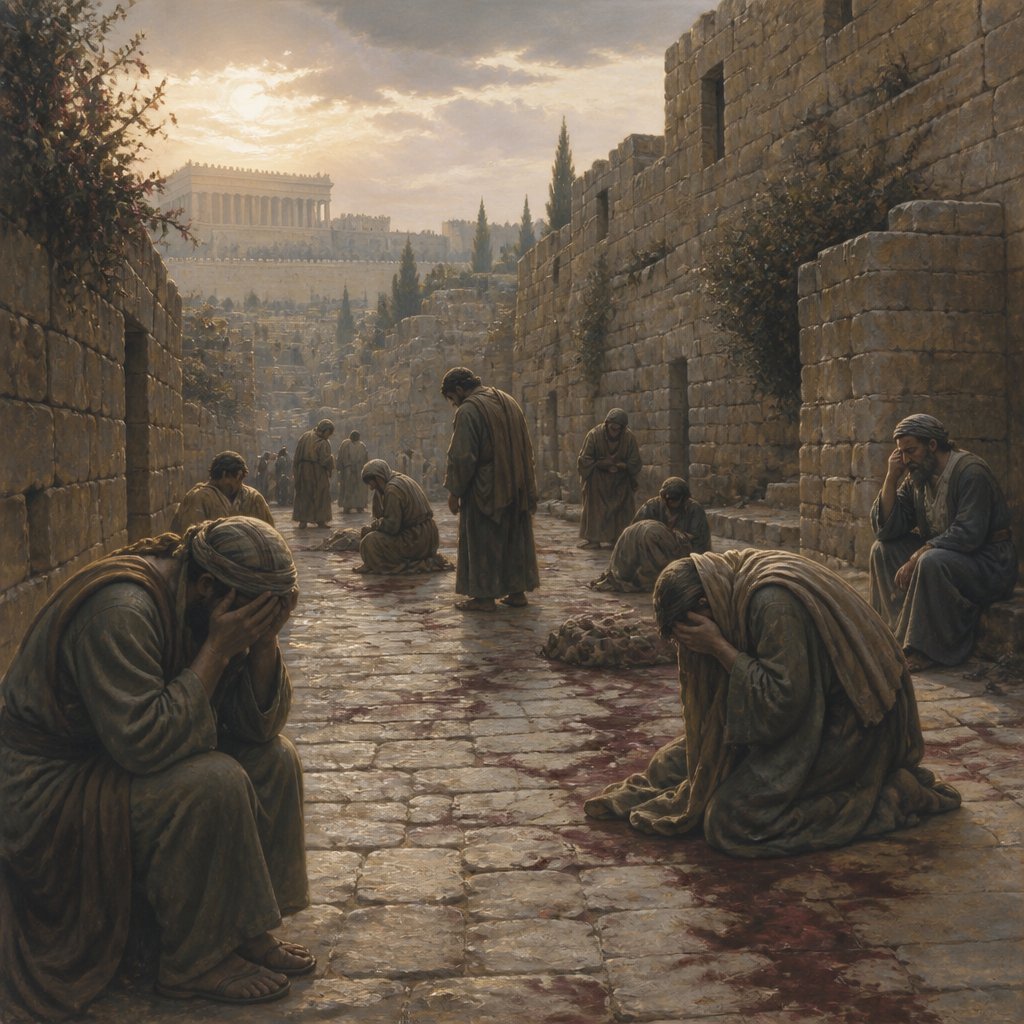
Scripture Reference: 2 Kings 21:16 "Moreover Manasseh shed innocent blood very much, till he had filled Jerusalem from one end to another; beside his sin wherewith he made Judah to sin, in doing that which was evil in the sight of the LORD."
The life of King Manasseh serves as a sobering reminder of the consequences of rebellion against God and the devastation caused by sin, especially that which involves the shedding of innocent blood. In a society increasingly moving away from absolutes, this admonition becomes increasingly relevant. Manasseh’s reign epitomized a failure to embrace justice and righteousness, leading to his legacy marked by unprecedented evil. Let us delve into the depths of this scripture to extract meaning for our lives today.
Manasseh ascended the throne as a young king, ruling Judah for an astonishing fifty-five years. His early reign was characterized by a deliberate departure from the path of righteousness established by his father, King Hezekiah. Instead of fostering spiritual renewal, Manasseh's actions represented a return to idolatry. He filled Jerusalem with corruption - the cities steeped in persecution of the innocent, reflecting a society in moral decline.
The phrase "shedded innocent blood very much" implies a systemic disregard for human life and dignity. Innocence, regarded as a core principle of God's creation, was trampled upon as Manasseh operated from a place of power without accountability. This sheds light on the nature of sin; it breeds a desensitization towards wrongdoing. When we disregard the sanctity of life, we participate in a culture that values expediency over principles of faith, morality, and truth.
It is disturbing to consider that Manasseh did more than act wickedly on his own behalf; he influenced the people. His sinful actions led not only to his downfall but beckoned the entire nation into a cycle of compromise and sin. The passage vividly describes the extent of the corruption: "till he had filled Jerusalem from one end to another." This echoes the notion that sin is contagious. Those in positions of influence need to wield their power with wisdom and integrity, for their actions can have repurcussions far beyond themselves. In our contemporary context, we see this in political leaders, teachers, and even parents. How often do we see malpractices trickle down through society?
Moreover, Manasseh's sin was described as this “evil in the sight of the LORD.” This serves as a global standard that will never change regardless of cultural shifts. In our day, amid a society that champions relative morality, God’s opinions and justice remain unwavering. The sorrowful truth is that, despite Manasseh's deep-seated evil acts, he had access to the grace and forgiveness of God had he chosen repentance.
The life of Manasseh is a testament to the magnitude of divine mercy. The jealous grace of the Lord calls us out of darkness and into the light. Though Manasseh's actions led to severe consequences for himself and his nation, there is still a message of hope. No matter how dark one’s life has been or how significant their sins, God stands ready to restore.
As we reflect on this verse, we are led to ask essential questions about our own lives and communities. Are there ways we have influenced others toward sin? How can we ensure we are defenders of the innocent? In what areas must we seek renewal and repentance?
Ultimately, it is a call to personal integrity and courage; personal responsibility for the people we influence, both through our actions and our prayers. Let this passage lead us in humility and responsibility, seeking always to present ourselves—and our nations—righteous before God. As our prayers ascend toward the heavens, let us invoke God’s strength to overcome the sins that entangle us and pour out our lives in service to truth and righteousness. In doing so, we can build a legacy that not only pleases the Lord but also protects the innocent and spreads light in the world.
Get our apps


Artwork for 2 Kings 21:16
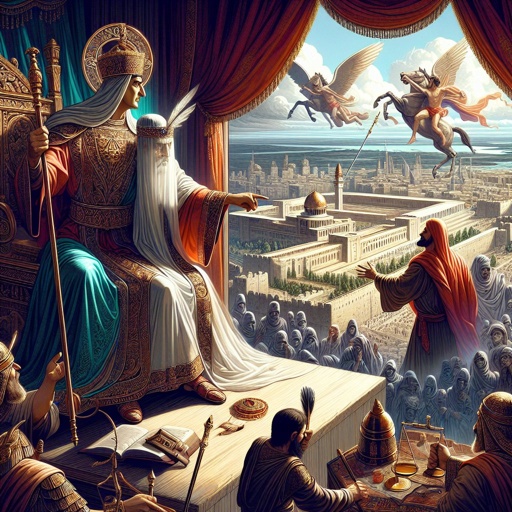
2 Kings 21:16 - "Moreover Manasseh shed innocent blood very much, till he had filled Jerusalem from one end to another; beside his sin wherewith he made Judah to sin, in doing that which was evil in the sight of the LORD."
"Moreover Manasseh shed innocent blood very much, till he had filled Jerusalem from one end to another; beside his sin wherewith he made Judah to sin, in doing that which was evil in the sight of the LORD." - 2 Kings 21:16

2 Kings 2:21

1 Chronicles 16:21 - "He suffered no man to do them wrong: yea, he reproved kings for their sakes,"

2 Kings 16:16 - "Thus did Urijah the priest, according to all that king Ahaz commanded."

Luke 2:16 - 21

2 Kings 15:21 - "¶ And the rest of the acts of Menahem, and all that he did, are they not written in the book of the chronicles of the kings of Israel?"

2 Kings 21:25 - "Now the rest of the acts of Amon which he did, are they not written in the book of the chronicles of the kings of Judah?"

2 Kings 3:16-19

2 Kings 21:10 - "¶ And the LORD spake by his servants the prophets, saying,"

2 Kings 21:21 - "And he walked in all the way that his father walked in, and served the idols that his father served, and worshipped them:"

2 Kings 16:19 - "¶ Now the rest of the acts of Ahaz which he did, are they not written in the book of the chronicles of the kings of Judah?"

1 Kings 16:21 - "¶ Then were the people of Israel divided into two parts: half of the people followed Tibni the son of Ginath, to make him king; and half followed Omri."

1 Kings 21:16 - "And it came to pass, when Ahab heard that Naboth was dead, that Ahab rose up to go down to the vineyard of Naboth the Jezreelite, to take possession of it."

2 Kings 11:21 - "Seven years old was Jehoash when he began to reign."

2 Kings 21:17 - "¶ Now the rest of the acts of Manasseh, and all that he did, and his sin that he sinned, are they not written in the book of the chronicles of the kings of Judah?"

2 Kings 21:23 - "¶ And the servants of Amon conspired against him, and slew the king in his own house."

2 Kings 14:16 - "And Jehoash slept with his fathers, and was buried in Samaria with the kings of Israel; and Jeroboam his son reigned in his stead."

2 Kings 6:16 - "And he answered, Fear not: for they that be with us are more than they that be with them."

2 Kings 20:16 - "And Isaiah said unto Hezekiah, Hear the word of the LORD."

2 Kings 21:22 - "And he forsook the LORD God of his fathers, and walked not in the way of the LORD."

2 Kings 12:16 - "The trespass money and sin money was not brought into the house of the LORD: it was the priests'."

2 Chronicles 28:16 - "¶ At that time did king Ahaz send unto the kings of Assyria to help him."

2 Kings 21:5 - "And he built altars for all the host of heaven in the two courts of the house of the LORD."

2 Kings 20:21 - "And Hezekiah slept with his fathers: and Manasseh his son reigned in his stead."

2 Kings 21:20 - "And he did that which was evil in the sight of the LORD, as his father Manasseh did."

1 Kings 2:21 - "And she said, Let Abishag the Shunammite be given to Adonijah thy brother to wife."

2 Kings 21:2 - "And he did that which was evil in the sight of the LORD, after the abominations of the heathen, whom the LORD cast out before the children of Israel."

2 Kings 3:21 - "¶ And when all the Moabites heard that the kings were come up to fight against them, they gathered all that were able to put on armour, and upward, and stood in the border."

2 Kings 3:16 - "And he said, Thus saith the LORD, Make this valley full of ditches."