The Journey of Faith: Lessons from the Shunammite Woman
"So she went and came unto the man of God to mount Carmel. And it came to pass, when the man of God saw her afar off, that he said to Gehazi his servant, Behold, yonder is that Shunammite:" - 2 Kings 4:25
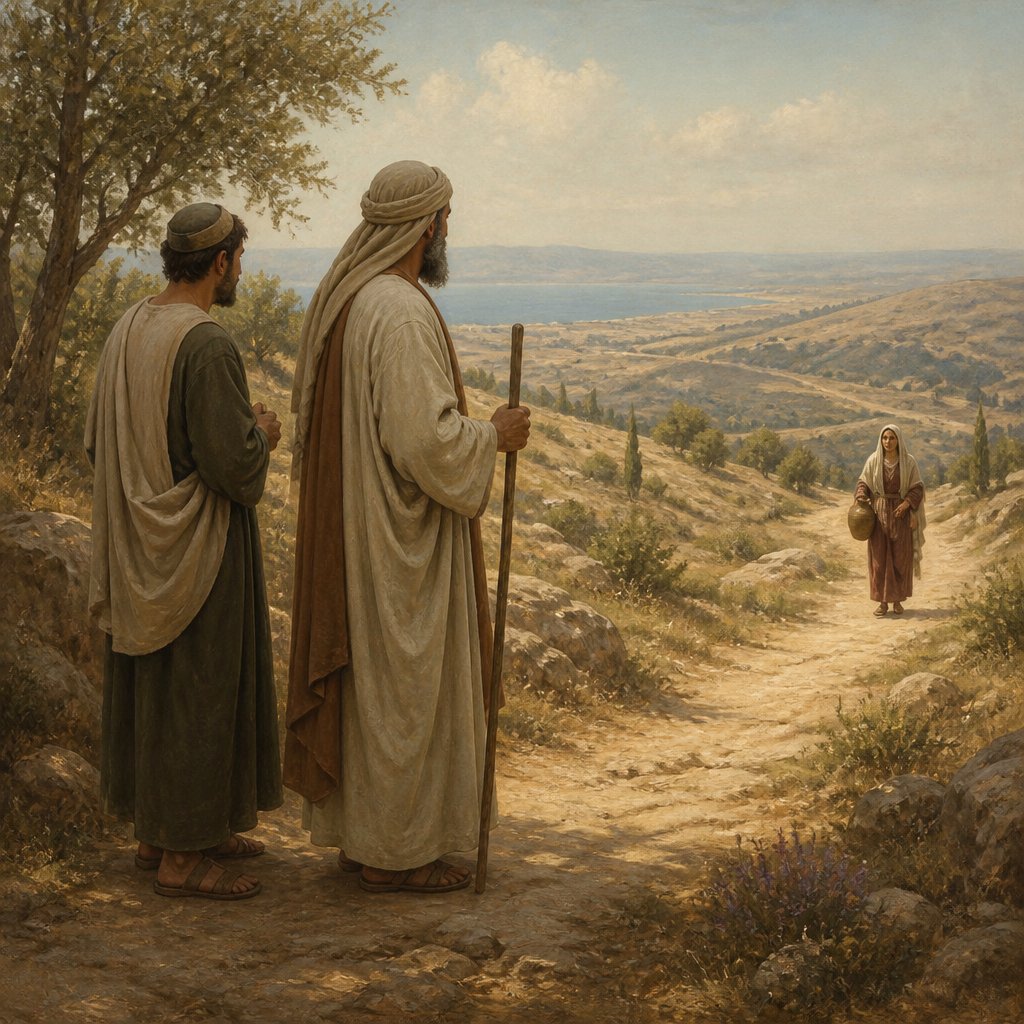
In 2 Kings 4:25, we encounter a profound moment in the life of a remarkable woman, the Shunammite, who demonstrates the power of faith and determination in the face of adversity. The verse reads: "So she went and came unto the man of God to mount Carmel. And it came to pass, when the man of God saw her afar off, that he said to Gehazi his servant, Behold, yonder is that Shunammite."
This account begins with a woman who had been kind to the prophet Elisha. She recognized his holiness and was moved by his need for hospitality. In a gesture of profound compassion, she extended her home and her resources to him, demonstrating the grace of generosity. This act of kindness was not without its rewards, as God blessed her with a son after she had been barren. Yet, life took a turn when that child passed away suddenly – a heart-wrenching experience for any parent.
Now, the Shunammite faced the ultimate test of her faith. When she learned of her son’s death, the instinctual reaction may have been despair, yet she quickly reassured her husband, saying, "It shall be well" (2 Kings 4:23). Her choice to approach Elisha, the man of God, shows us the first lesson in our walk of faith: having the courage to go beyond our despair, to seek help from the right source.
As she began her journey to Mount Carmel, we must consider the resolve it took for her to take this path. She undertook what we can assume was a long and arduous journey. The Hebrew word translated as ‘went’ implies intention and conviction. This was not a casual trip; it was a purposeful and determined advance toward hope. This is a crucial aspect of faith we often overlook – faith is not merely about believing; it is about action that stems from belief.
When Elisha saw her from a distance, his instinct was to recognize her immediately, calling her the Shunammite. Here, we see the recognition of a faithful servant of God who is attuned to the needs and the presence of others. Elisha’s awareness signifies how God knows our struggles and watches our journey even before we arrive at our destination – a testament to His omnipotence and compassion.
Furthermore, the interaction between Elisha and Gehazi reveals the importance of community in our faith journey. Gehazi is instructed to approach her and inquire about her well-being, showing that it is vital to surround ourselves with individuals who support and nurture our spiritual journey. The Shunammite did not make her journey alone; both she and those around her engaged in the affirmation of her trials and faith in the Lord.
Upon arriving at Elisha, it was not just a desperate plea she made but a profound expression of her steadfast belief that God could, and would intervene. She fell at the prophet's feet, crying out in anguish. This external show of faith and desperation is significant; it reflects a heart wholly dependent upon God. In her darkest hour, she chose to seek God's help, illuminating a crucial lesson: it is through vulnerability that we align ourselves with the grace of God.
In our lives, we may face moments of immense heartache and uncertainty. Like the Shunammite, we may be called to take steadfast action in faith, even when the outcomes seem bleak. We should remember that God watches us, hears our cries, and is ready to intervene on our behalf. Each of us must respond to trials with sincere faith and brimming hope, trusting that our journey may lead us to divine encounters and miracles.
As you meditate on this poignant account of faith, ask yourself: How can I embody the Shunammite's courage and confidence in my own life? When trials arise, will I respond by seeking God's presence? Let her story invigorate your faith as you journey toward God's presence, believing that indeed, it shall be well.
Want to reflect more on 2 Kings 4:25?
Continue your spiritual journey with Bible Chat — an AI-powered tool for exploring God's Word through conversation. Ask questions, discover connections, and deepen your understanding.
Get Our Apps


2 Kings 4:25 Artwork
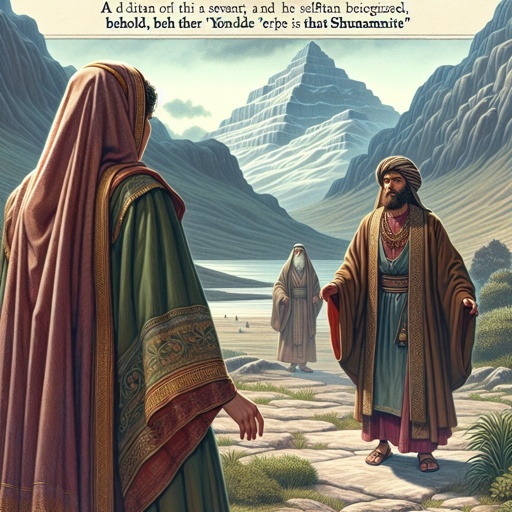
2 Kings 4:25 - "So she went and came unto the man of God to mount Carmel. And it came to pass, when the man of God saw her afar off, that he said to Gehazi his servant, Behold, yonder is that Shunammite:"
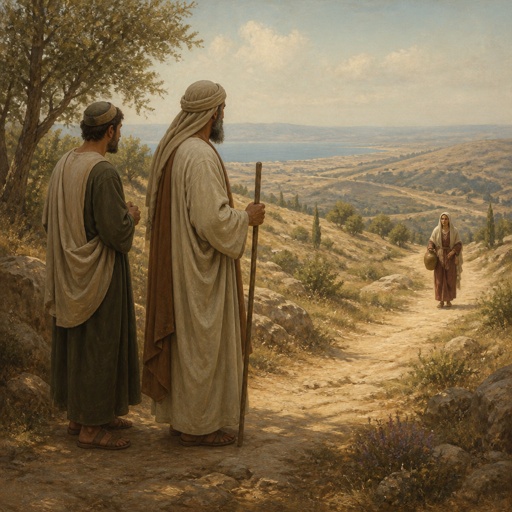
"So she went and came unto the man of God to mount Carmel. And it came to pass, when the man of God saw her afar off, that he said to Gehazi his servant, Behold, yonder is that Shunammite:" - 2 Kings 4:25

2 Kings 25:2 - "And the city was besieged unto the eleventh year of king Zedekiah."

2 Kings 25:4 - "¶ And the city was broken up, and all the men of war fled by night by the way of the gate between two walls, which is by the king's garden: (now the Chaldees were against the city round about:) and the king went the way toward the plain."

2 Kings 21:25 - "Now the rest of the acts of Amon which he did, are they not written in the book of the chronicles of the kings of Judah?"

2 Kings 25:28 - "And he spake kindly to him, and set his throne above the throne of the kings that were with him in Babylon;"

2 Kings 2:25 - "And he went from thence to mount Carmel, and from thence he returned to Samaria."

2 Kings 4:4-5

2 Kings 25:12 - "But the captain of the guard left of the poor of the land to be vinedressers and husbandmen."

1 Kings 4:25 - "And Judah and Israel dwelt safely, every man under his vine and under his fig tree, from Dan even to Beer-sheba, all the days of Solomon."

Proverbs 25:2 - "It is the glory of God to conceal a thing: but the honour of kings is to search out a matter."

2 Kings 25:20 - "And Nebuzar-adan captain of the guard took these, and brought them to the king of Babylon to Riblah:"

Jeremiah 25:25 - "And all the kings of Zimri, and all the kings of Elam, and all the kings of the Medes,"

"And the city was besieged unto the eleventh year of king Zedekiah." - 2 Kings 25:2

2 Kings 25:3 - "And on the ninth day of the fourth month the famine prevailed in the city, and there was no bread for the people of the land."

2 Kings 25:6 - "So they took the king, and brought him up to the king of Babylon to Riblah; and they gave judgment upon him."

2 Kings 25:14 - "And the pots, and the shovels, and the snuffers, and the spoons, and all the vessels of brass wherewith they ministered, took they away."

2 Kings 25:1 show King Nebuchadnezzar in war zone

2 Kings 25:1 show King Nebuchadnezzar and the army and the Temple

1 Kings 2:25 - "And king Solomon sent by the hand of Benaiah the son of Jehoiada; and he fell upon him that he died."

2 Kings 25:10 - "And all the army of the Chaldees, that were with the captain of the guard, brake down the walls of Jerusalem round about."

2 Kings 25:18 - "¶ And the captain of the guard took Seraiah the chief priest, and Zephaniah the second priest, and the three keepers of the door:"

2 Chronicles 25:26 - "Now the rest of the acts of Amaziah, first and last, behold, are they not written in the book of the kings of Judah and Israel?"

2 Kings 25:15 - "And the firepans, and the bowls, and such things as were of gold, in gold, and of silver, in silver, the captain of the guard took away."

Jehoiachin is released from Babylonian jail 2 kings 25: 27

2 Kings 8:25 - "¶ In the twelfth year of Joram the son of Ahab king of Israel did Ahaziah the son of Jehoram king of Judah begin to reign."

2 Kings 25:26 - "And all the people, both small and great, and the captains of the armies, arose, and came to Egypt: for they were afraid of the Chaldees."

2 Kings 25:30 - "And his allowance was a continual allowance given him of the king, a daily rate for every day, all the days of his life."

2 Kings 25:25 - "But it came to pass in the seventh month, that Ishmael the son of Nethaniah, the son of Elishama, of the seed royal, came, and ten men with him, and smote Gedaliah, that he died, and the Jews and the Chaldees that were with him at Mizpah."

2 Kings 25:21 - "And the king of Babylon smote them, and slew them at Riblah in the land of Hamath. So Judah was carried away out of their land."