Faith in the Midst of Desperation: Lessons from the Widow of a Prophet
“Now there cried a certain woman of the wives of the sons of the prophets unto Elisha, saying, Thy servant my husband is dead; and thou knowest that thy servant did fear the LORD: and the creditor is come to take unto him my two sons to be bondmen.” — 2 Kings 4:1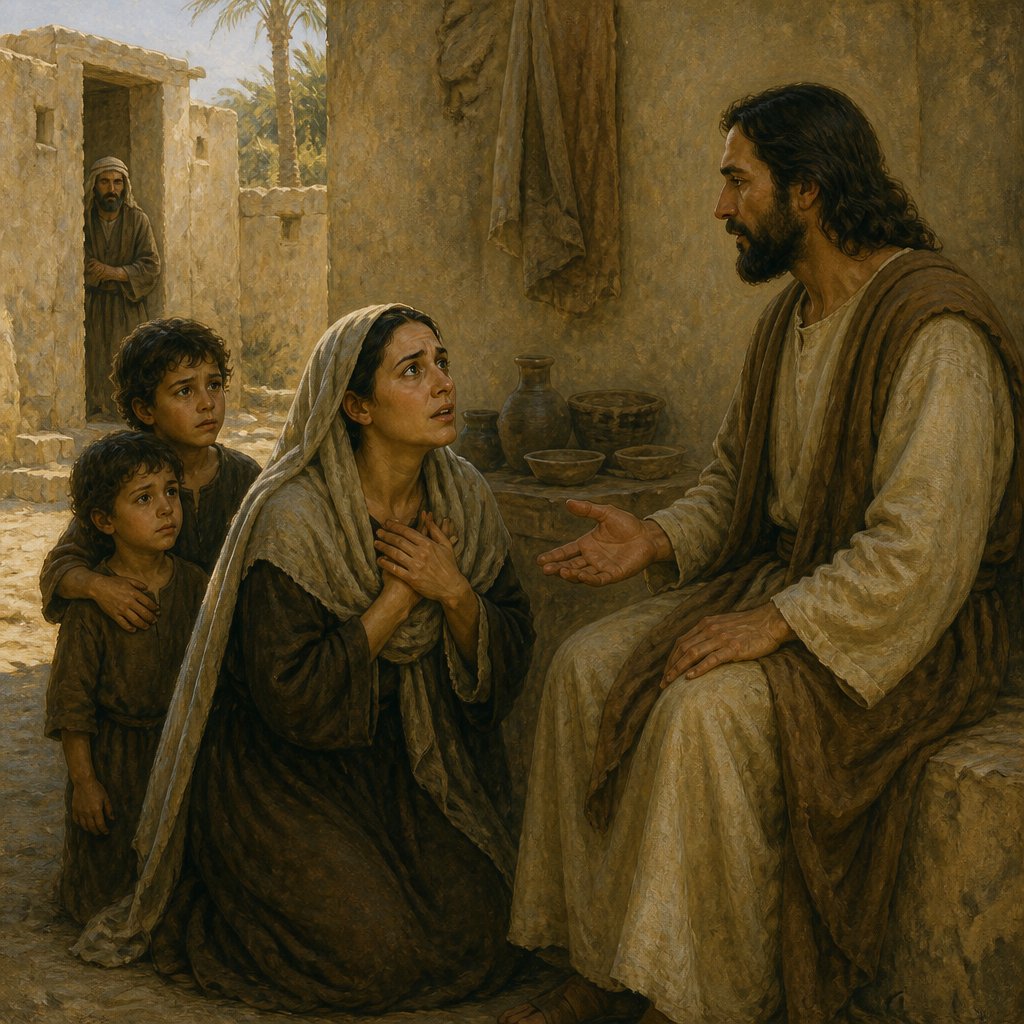
In 2 Kings 4:1, we encounter a poignant and heartrending moment in the life of a widow: "Now there cried a certain woman of the wives of the sons of the prophets unto Elisha, saying, Thy servant my husband is dead; and thou knowest that thy servant did fear the LORD: and the creditor is come to take unto him my two sons to be bondmen." This verse sets the stage for profound reflection on faith, crisis, and God’s provision.
The scene presented here is a desperate one. The widow, whose husband was one of the sons of the prophets, finds herself bereaved and overwhelmed. Not only has she lost her spouse, who presumably was a provider and protector, but she is now at risk of losing her children to creditors. In ancient Israel, debt was a serious issue, and it was not uncommon for debtors to face severe consequences, including servitude. This woman’s plight speaks to many who face dire financial situations and life’s unexpected turns.
First and foremost, we see the widow actively crying out for help. In her grief and plight, she does not remain silent. She approaches Elisha, the man of God, knowing that he is a voice of hope and a channel through which God’s power can manifest. This teaches us an essential lesson about the importance of seeking help in our darkest moments. The widow's decision to cry out to Elisha highlights her faith; she clearly believes that he can provide the assistance she desperately needs.
Additionally, notice how she acknowledges her husband's faithful service to the Lord: "Thy servant my husband is dead; and thou knowest that thy servant did fear the LORD." In her moment of desperation, she holds on to the assurance that her husband was a man of God, indicating her respect for his spiritual legacy and perhaps her hope that God would honor that legacy through her. This strand of faith connects the generations; though her husband has passed, his service still holds weight in the eyes of God. It implores us to reflect on our spiritual legacies. How will our faith influence our families and communities long after we are gone?
In our contemporary context, we often find ourselves in situations that seem unsolvable—whether it be financial strife, relational breakdowns, or health crises. The widow exemplifies an essential posture whenever we face such challenges: turning to God and His servants in faith. We should remind ourselves that our cries do not go unheard and that God has a plan even when our circumstances seem hopeless.
Elisha's response to the widow in the subsequent verses demonstrates God’s provision and care. He does not turn her away or dismiss her fears. Instead, he inquires about what she has in her house and instructs her to gather vessels to be filled with oil. This interaction brings to light another vital aspect of faith: the willingness to act upon God’s instructions. The widow had to trust Elisha’s guidance, which did not make sense at first glance. Thus, we learn that faith often requires action and surrender.
Moreover, the miracle of the oil teaches us that God’s provisions are often abundant when we take the steps of faith. The widow ends up with enough oil to sell and pay off her debts, ensuring her and her children’s future. It is a powerful reminder that God cares for us and provides for our needs in ways we may not expect.
In this season of hardships, may we all remember to cry out to God in our need—whether direct or through the community of believers around us. Let us actively seek His help, build on the spiritual legacy of faithful servants before us, and be responsive to His direction, trusting that He holds the ultimate provisions for our lives. Like the widow, let our faith lead us to miracles we never thought possible.
Get our apps


Artwork for 2 Kings 4:1

2 Kings 4:1 - "Now there cried a certain woman of the wives of the sons of the prophets unto Elisha, saying, Thy servant my husband is dead; and thou knowest that thy servant did fear the LORD: and the creditor is come to take unto him my two sons to be bondmen."
"Now there cried a certain woman of the wives of the sons of the prophets unto Elisha, saying, Thy servant my husband is dead; and thou knowest that thy servant did fear the LORD: and the creditor is come to take unto him my two sons to be bondmen." - 2 Kings 4:1

1 Kings 4:1 - "So king Solomon was king over all Israel."

1 Kings 4:2 - "And these were the princes which he had; Azariah the son of Zadok the priest,"

"So king Solomon was king over all Israel." - 1 Kings 4:1

2 Kings 4:4-5

2 Kings 1:4 - "Now therefore thus saith the LORD, Thou shalt not come down from that bed on which thou art gone up, but shalt surely die. And Elijah departed."
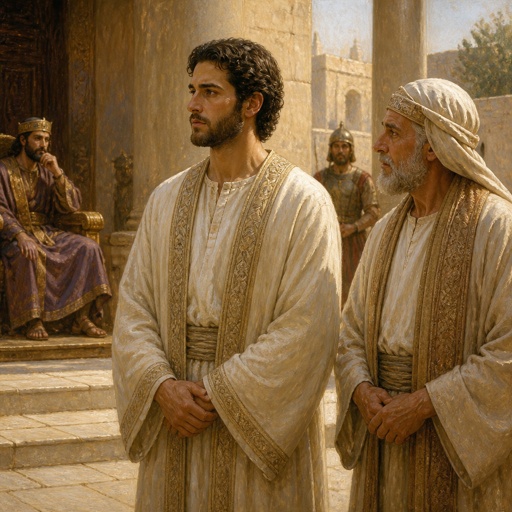
"And these were the princes which he had; Azariah the son of Zadok the priest," - 1 Kings 4:2

1 Kings 4:4 - "And Benaiah the son of Jehoiada was over the host: and Zadok and Abiathar were the priests:"

1 Kings 1:4 - "And the damsel was very fair, and cherished the king, and ministered to him: but the king knew her not."

2 Kings 10:4 - "But they were exceedingly afraid, and said, Behold, two kings stood not before him: how then shall we stand?"

1 Kings 4:18 - "Shimei the son of Elah, in Benjamin:"

2 Kings 19:2

2 Kings 19:2

1 Kings 4:17 - "Jehoshaphat the son of Paruah, in Issachar:"

2 Kings 19:2

1 Kings 4:8 - "And these are their names: The son of Hur, in mount Ephraim:"

1 Kings 4:14 - "Ahinadab the son of Iddo had Mahanaim:"

1 Kings 4:16 - "Baanah the son of Hushai was in Asher and in Aloth:"

1 Kings 6:4 - "And for the house he made windows of narrow lights."

1 Kings 4:34 - "And there came of all people to hear the wisdom of Solomon, from all kings of the earth, which had heard of his wisdom."

2 Kings 4:11 - "And it fell on a day, that he came thither, and he turned into the chamber, and lay there."

2 Kings 9:4 - "¶ So the young man, even the young man the prophet, went to Ramoth-gilead."

2 Kings 6:4 - "So he went with them. And when they came to Jordan, they cut down wood."

1 Kings 4:6 - "And Ahishar was over the household: and Adoniram the son of Abda was over the tribute."

2 Kings 4:15 - "And he said, Call her. And when he had called her, she stood in the door."

2 Kings 16:4 - "And he sacrificed and burnt incense in the high places, and on the hills, and under every green tree."

2 Kings 4:33 - "He went in therefore, and shut the door upon them twain, and prayed unto the LORD."

1 Kings 4:15 - "Ahimaaz was in Naphtali; he also took Basmath the daughter of Solomon to wife:"

1 Kings 4:10 - "The son of Hesed, in Aruboth; to him pertained Sochoh, and all the land of Hepher:"