The Unexpected Gift of Hope
“And he said, About this season, according to the time of life, thou shalt embrace a son. And she said, Nay, my lord, thou man of God, do not lie unto thine handmaid.” — 2 Kings 4:16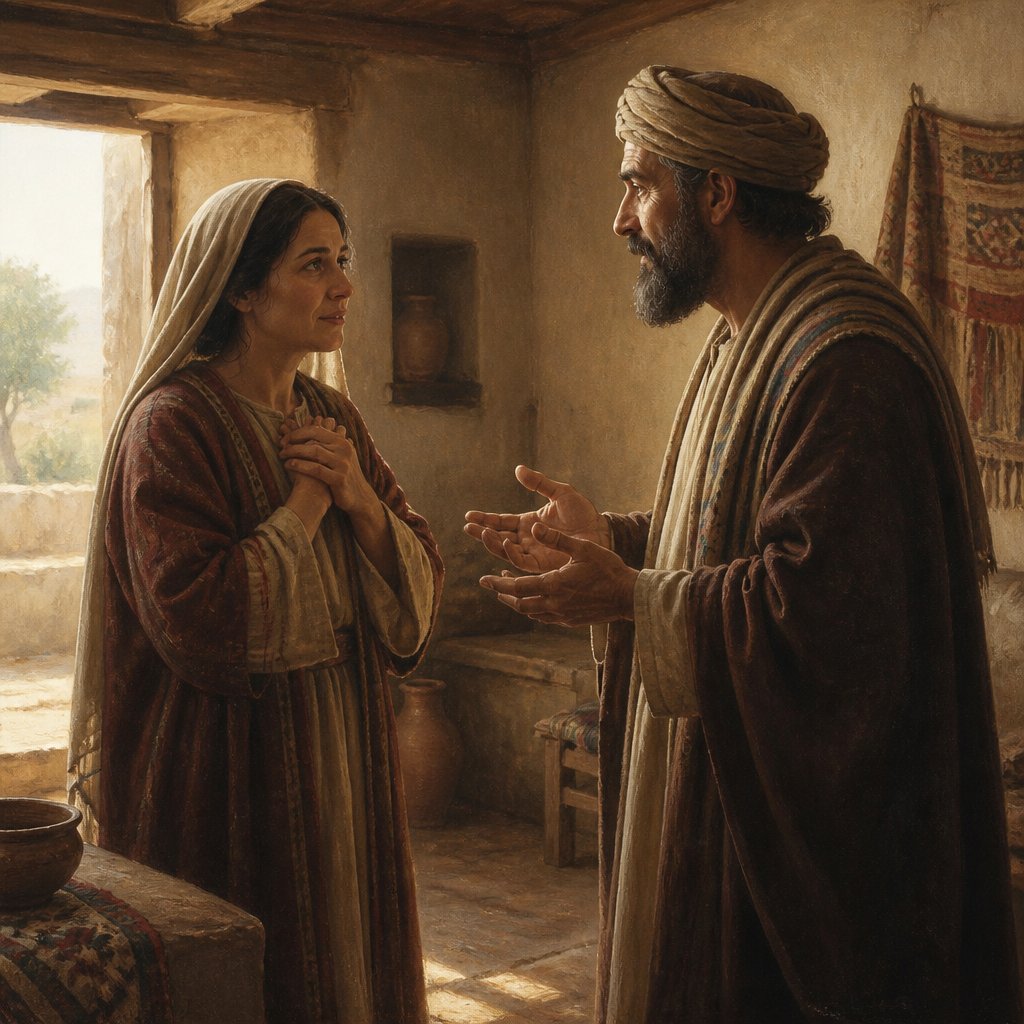
In 2 Kings 4:16, we encounter a pivotal moment in the life of a notable Shunammite woman: "And he said, About this season, according to the time of life, thou shalt embrace a son. And she said, Nay, my lord, thou man of God, do not lie unto thine handmaid." This verse not only marks the promise of a miraculous son but also embodies the themes of hope, disbelief, and the unexpected gifts that God can present in our lives.
The context of this scripture is vital. The Shunammite woman, who is referenced repeatedly throughout this chapter, is a woman of notable faith and integrity. She recognized the prophet Elisha as a man of God and offered him her hospitality, which reflects her generosity and spiritual sensitivity. Yet, when the prophetic word regarding her son was delivered, her immediate reaction was one of denial and disbelief. "Nay, my lord, thou man of God, do not lie unto thine handmaid." Here, she gives voice to her pain, her struggle with barrenness, and perhaps a fear of being disappointed once more.
In many ways, her response is relatable. How many times have we stood before a promise from God, battling disbelief? The Shunammite woman wished to protect herself from potential disappointment, a sentiment many can understand in a world that often yields discouragement instead of hope. This verse resonates deeply with those who have yearned for promises fulfilled or blessings never realized. Just as the Shunammite woman sought a son for years, countless individuals harbor dreams that seem beyond their reach.
Yet, God’s word is powerful, and in this moment, we see His unwavering commitment to His people. The promise spoken through Elisha is one that comes with divine authority; it is not merely a suggestion but a certainty that aligns with the Creator's timing. This idea is crucial for us today. God’s timing is often distinct from our own, and through this interaction, we realize that He sometimes offers His gifts wrapped in layers of mystery and challenge.
In the words of Elisha, "About this season, according to the time of life, thou shalt embrace a son," we are reminded that God’s promises do not operate on human timelines; they fulfill a divine purpose that often exceeds our understanding. The Shunammite woman ultimately receives the son she longs for, but not without the journey of wrestling with doubts and expectations. God's gifts frequently come packaged with trials that refine our faith and deepen our reliance on Him.
Additionally, this passage invites us to reflect on the idea of embracing what God has ordained for us at the appropriate times in our lives. There is an undeniable beauty in waiting, in enduring seasons that seem barren or unproductive. The Shunammite woman embodies a powerful lesson in patience and trust. Her initial rejection of the good news soon transformed into acceptance, reminding us that faith is often a journey of embracing God's will, even when it conflicts with our understanding or desires.
As we navigate our life’s challenges, perhaps we too can join in the conversation with God, voicing our hesitations while still remaining open to His revelations. It's essential that we learn to articulate our fears, as the Shunammite woman did, while also allowing space in our hearts for God's assurances. Rather than limiting Him with our doubts, let us prepare for His majestic plans by cultivating trust in His promises.
In conclusion, the Shunammite woman's story of receiving a son stands as a testament to the grace of God to fulfill the hopes of those who, despite uncertainties, remain steadfast in faith. Through our own lives riddled with trials and wrestling, let us learn to keep our hearts opened to the miraculous gifts that may be waiting just beyond the veil of our reluctant belief. With faith, we can embrace the unexpected gifts of hope that await us in God’s perfect timing.
Get our apps


Artwork for 2 Kings 4:16

2 Kings 4:16 - "And he said, About this season, according to the time of life, thou shalt embrace a son. And she said, Nay, my lord, thou man of God, do not lie unto thine handmaid."
"And he said, About this season, according to the time of life, thou shalt embrace a son. And she said, Nay, my lord, thou man of God, do not lie unto thine handmaid." - 2 Kings 4:16

2 Kings 16:4 - "And he sacrificed and burnt incense in the high places, and on the hills, and under every green tree."

1 Kings 4:16 - "Baanah the son of Hushai was in Asher and in Aloth:"

2 Kings 16:16 - "Thus did Urijah the priest, according to all that king Ahaz commanded."

2 Kings 4:4-5
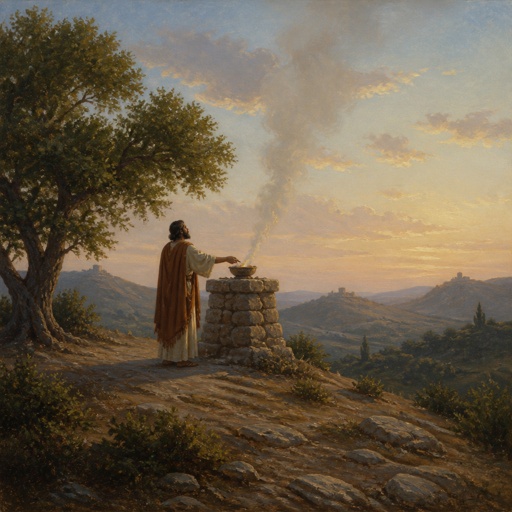
"And he sacrificed and burnt incense in the high places, and on the hills, and under every green tree." - 2 Kings 16:4

"Baanah the son of Hushai was in Asher and in Aloth:" - 1 Kings 4:16

2 Kings 3:16-19

2 Kings 16:19 - "¶ Now the rest of the acts of Ahaz which he did, are they not written in the book of the chronicles of the kings of Judah?"

2 Kings 14:16 - "And Jehoash slept with his fathers, and was buried in Samaria with the kings of Israel; and Jeroboam his son reigned in his stead."

2 Kings 6:16 - "And he answered, Fear not: for they that be with us are more than they that be with them."

2 Kings 20:16 - "And Isaiah said unto Hezekiah, Hear the word of the LORD."

2 Kings 12:16 - "The trespass money and sin money was not brought into the house of the LORD: it was the priests'."

2 Chronicles 28:16 - "¶ At that time did king Ahaz send unto the kings of Assyria to help him."

2 Kings 3:16 - "And he said, Thus saith the LORD, Make this valley full of ditches."

1 Kings 16:4 - "Him that dieth of Baasha in the city shall the dogs eat; and him that dieth of his in the fields shall the fowls of the air eat."

2 Kings 16:1 - "In the seventeenth year of Pekah the son of Remaliah Ahaz the son of Jotham king of Judah began to reign."

2 Kings 16:8 - "And Ahaz took the silver and gold that was found in the house of the LORD, and in the treasures of the king's house, and sent it for a present to the king of Assyria."

"Thus did Urijah the priest, according to all that king Ahaz commanded." - 2 Kings 16:16

2 Kings 16:12 - "And when the king was come from Damascus, the king saw the altar: and the king approached to the altar, and offered thereon."

2 Kings 10:4 - "But they were exceedingly afraid, and said, Behold, two kings stood not before him: how then shall we stand?"

2 Kings 16:18 - "And the covert for the sabbath that they had built in the house, and the king's entry without, turned he from the house of the LORD for the king of Assyria."

2 Chronicles 16:11 - "¶ And, behold, the acts of Asa, first and last, lo, they are written in the book of the kings of Judah and Israel."

2 Kings 11:16 - "And they laid hands on her; and she went by the way by the which the horses came into the king's house: and there was she slain."

2 Kings 9:16 - "So Jehu rode in a chariot, and went to Jezreel; for Joram lay there. And Ahaziah king of Judah was come down to see Joram."

2 Kings 16:3 - "But he walked in the way of the kings of Israel, yea, and made his son to pass through the fire, according to the abominations of the heathen, whom the LORD cast out from before the children of Israel."

1 Kings 2:16 - "And now I ask one petition of thee, deny me not. And she said unto him, Say on."

2 Kings 4:11 - "And it fell on a day, that he came thither, and he turned into the chamber, and lay there."

2 Kings 10:16 - "And he said, Come with me, and see my zeal for the LORD. So they made him ride in his chariot."