The Fate of Jezebel: A Lesson on Divine Justice
“Wherefore they came again, and told him. And he said, This is the word of the LORD, which he spake by his servant Elijah the Tishbite, saying, In the portion of Jezreel shall dogs eat the flesh of Jezebel:” — 2 Kings 9:36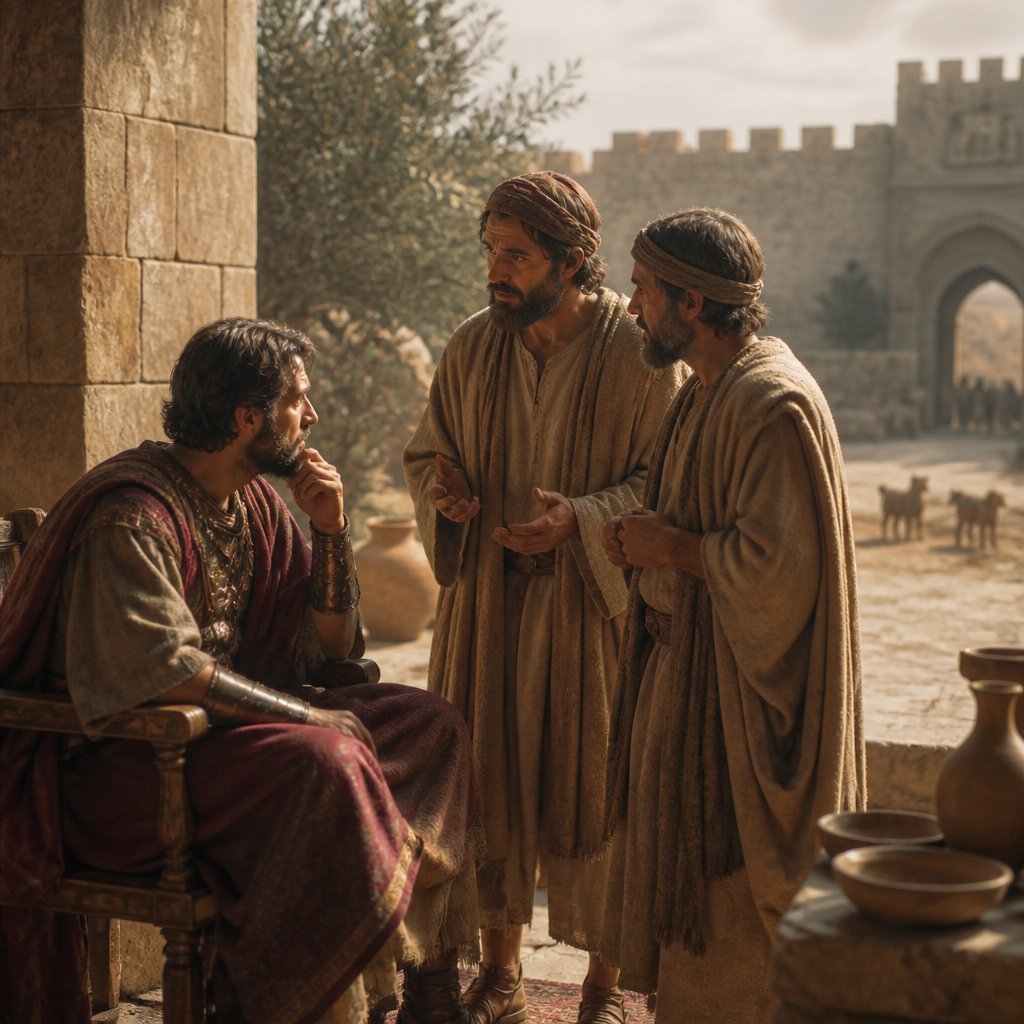
In the annals of biblical history, few figures stand out as starkly as Jezebel. Her story intertwines with themes of idolatry, betrayal, and divine judgment. The verse we reflect upon, 2 Kings 9:36, serves as a poignant affirmation of God's justice: "Wherefore they came again, and told him. And he said, This is the word of the LORD, which he spake by his servant Elijah the Tishbite, saying, In the portion of Jezreel shall dogs eat the flesh of Jezebel."
To understand the weight of this proclamation, we must delve into Jezebel's life and legacy. She was a Phoenician princess, married to King Ahab of Israel, and is notorious for introducing Baal worship into Israel, enticing the Israelites into a cycle of sin. Jezebel's influence led to the persecution of the prophets of God and the notorious murder of Naboth, a righteous man killed for his vineyard, which Ahab coveted. In her pursuit of power and idol worship, she embodied the antithesis of God's commands.
The narrative of Jezebel is a reminder of the consequences of rebellion against divine authority. In a society that increasingly turns away from God's precepts, her story is a stark warning. The phrase "dogs shall eat the flesh of Jezebel" speaks not only of her brutal end but symbolizes the ultimate disgrace that accompanies a life lived in opposition to God. In the ancient world, to be consumed by dogs was a dishonor that stripped one of dignity even in death. Jezebel’s demise illustrates that rebellion against God’s commandments leads to ruin.
Yet, this warning is not merely about fear of punishment; it is also about the righteousness of God’s judgment. Through the prophet Elijah, God established that there are consequences for turning away from Him. The dogs eating Jezebel's flesh signifies that her evil deeds would come full circle. It emphasizes that God is just and will ensure that every evil act is accounted for. The weight of God's judgment will ultimately prevail against all that stands in opposition to His truth.
For us, this reflects an eternal truth. In our lives, we may not face consequences so publicly dramatic as Jezebel’s, but the principles of integrity, righteousness, and accountability remain relevant. This passage invites us to examine our own lives. Are there areas where we have allowed the influence of the world to sway us from God's ways? Just as Jezebel led many astray, our choices can impact others significantly. We are called to be vessels of God’s righteousness and to reflect His character in a world clamoring for attention.
Furthermore, as we contemplate God's judgment, let us also embrace His mercy. The scripture reveals that God, in His infinite wisdom, desires that none should perish but that all should come to repentance. While Jezebel’s story ends in tragic justice, God extends grace to those who turn back to Him. There’s always an opportunity to repent and align ourselves with God's will.
In closing, 2 Kings 9:36 serves as a stark reminder of the fate that awaits those who continuously reject God's authority. However, within the darkness surrounds judgment, we find the light of God’s love beckoning us to righteousness. As we reflect on this lesson, let us commit ourselves to a walk of faithfulness, resisting the lure of worldly influences and choosing instead a path that honors God. May we strive, in every aspect of our lives, to be a reflection of His grace and justice, avoiding the fate that befell Jezebel.
Get our apps


Artwork for 2 Kings 9:36
"Wherefore they came again, and told him. And he said, This is the word of the LORD, which he spake by his servant Elijah the Tishbite, saying, In the portion of Jezreel shall dogs eat the flesh of Jezebel:" - 2 Kings 9:36

2 kings 9:34-36

2 Kings 15:36 - "¶ Now the rest of the acts of Jotham, and all that he did, are they not written in the book of the chronicles of the kings of Judah?"

2 Kings 19:36 - "So Sennacherib king of Assyria departed, and went and returned, and dwelt at Nineveh."

2 Kings 10:36 - "And the time that Jehu reigned over Israel in Samaria was twenty and eight years."

2 Kings 18:36 - "But the people held their peace, and answered him not a word: for the king's commandment was, saying, Answer him not."

1 Kings 2:36 - "¶ And the king sent and called for Shimei, and said unto him, Build thee an house in Jerusalem, and dwell there, and go not forth thence any whither."

"¶ Now the rest of the acts of Jotham, and all that he did, are they not written in the book of the chronicles of the kings of Judah?" - 2 Kings 15:36

"So Sennacherib king of Assyria departed, and went and returned, and dwelt at Nineveh." - 2 Kings 19:36

2 Kings 4:36 - "And he called Gehazi, and said, Call this Shunammite. So he called her. And when she was come in unto him, he said, Take up thy son."

2 Kings 23:36 - "¶ Jehoiakim was twenty and five years old when he began to reign; and he reigned eleven years in Jerusalem. And his mother's name was Zebudah, the daughter of Pedaiah of Rumah."

2 Chronicles 9:22 - "And king Solomon passed all the kings of the earth in riches and wisdom."

"And the time that Jehu reigned over Israel in Samaria was twenty and eight years." - 2 Kings 10:36

2 Kings 9:9 - "And I will make the house of Ahab like the house of Jeroboam the son of Nebat, and like the house of Baasha the son of Ahijah:"

2 Chronicles 36:9 - "¶ Jehoiachin was eight years old when he began to reign, and he reigned three months and ten days in Jerusalem: and he did that which was evil in the sight of the LORD."

"But the people held their peace, and answered him not a word: for the king's commandment was, saying, Answer him not." - 2 Kings 18:36

Mark 9:36-37

2 Chronicles 36:8 - "Now the rest of the acts of Jehoiakim, and his abominations which he did, and that which was found in him, behold, they are written in the book of the kings of Israel and Judah: and Jehoiachin his son reigned in his stead."

2 Kings 9:4 - "¶ So the young man, even the young man the prophet, went to Ramoth-gilead."

2 Kings 9:23 - "And Joram turned his hands, and fled, and said to Ahaziah, There is treachery, O Ahaziah."

2 Kings 9:29 - "And in the eleventh year of Joram the son of Ahab began Ahaziah to reign over Judah."

2 Kings 17:36 - "But the LORD, who brought you up out of the land of Egypt with great power and a stretched out arm, him shall ye fear, and him shall ye worship, and to him shall ye do sacrifice."

1 Kings 9:2 - "That the LORD appeared to Solomon the second time, as he had appeared unto him at Gibeon."

2 Kings 5:9 - "So Naaman came with his horses and with his chariot, and stood at the door of the house of Elisha."

Genesis 36:9 - "¶ And these are the generations of Esau the father of the Edomites in mount Seir:"

Genesis 36:31 - "¶ And these are the kings that reigned in the land of Edom, before there reigned any king over the children of Israel."

2 Kings 24:9 - "And he did that which was evil in the sight of the LORD, according to all that his father had done."

2 Kings 9:31 - "And as Jehu entered in at the gate, she said, Had Zimri peace, who slew his master?"

2 Kings 9:35 - "And they went to bury her: but they found no more of her than the skull, and the feet, and the palms of her hands."

Elijah in the scene 1 Kings 18:36–38