The Heart of a King: Lessons from 2 Samuel 11:25
“Then David said unto the messenger, Thus shalt thou say unto Joab, Let not this thing displease thee, for the sword devoureth one as well as another: make thy battle more strong against the city, and overthrow it: and encourage thou him.” — 2 Samuel 11:25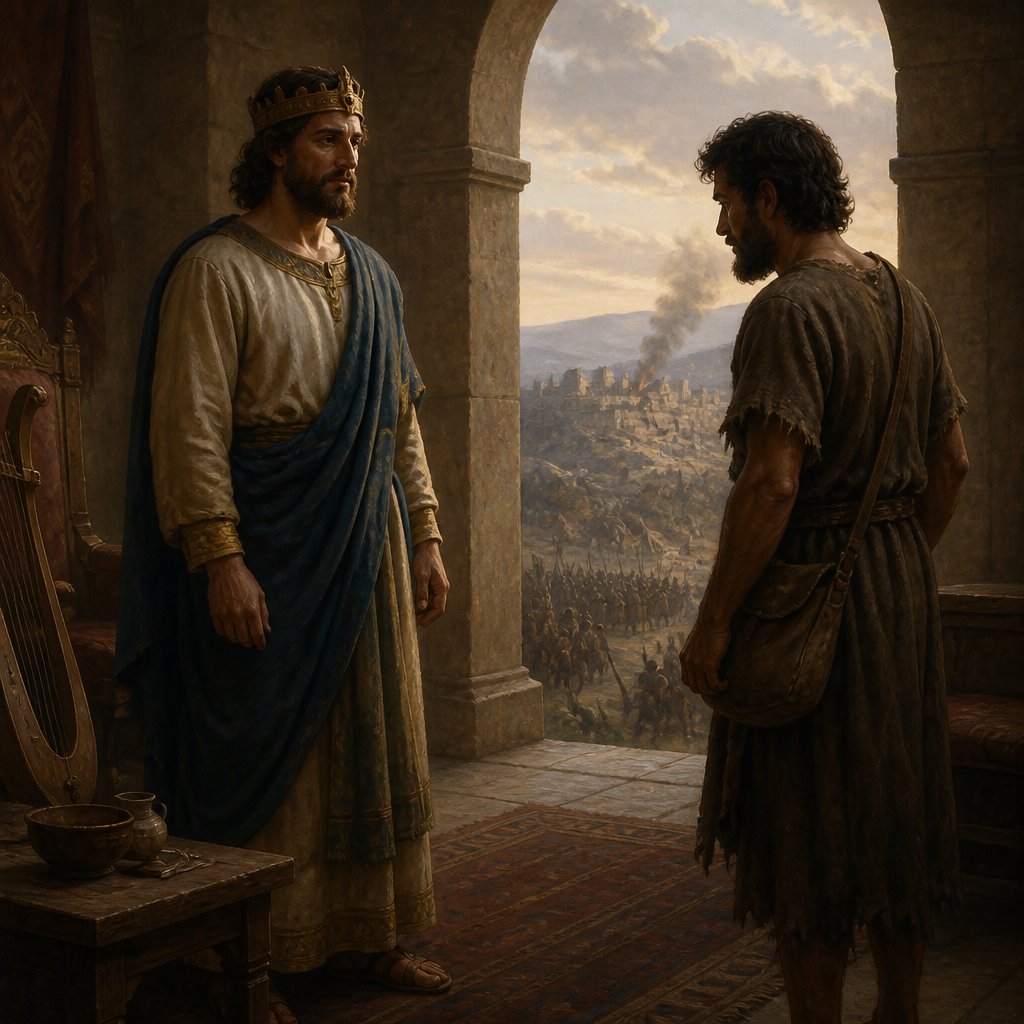
In the annals of biblical history, few figures are as complex as King David. He was a man after God’s own heart, yet he was also a flawed leader who grappled with sin, power, and the consequences of his choices. In the poignant moment captured in 2 Samuel 11:25, we find David addressing Joab after sending Bathsheba's husband Uriah to his death by the sword of the Ammonites. The verse reads: "Then David said unto the messenger, Thus shalt thou say unto Joab, Let not this thing displease thee, for the sword devoureth one as well as another: make thy battle more strong against the city, and overthrow it: and encourage thou him."
At first glance, it may be easy to relegate this passage to mere historical record or military instruction. However, as we dive deeper, we come to realize that it illustrates a profound yet troubling truth about leadership, morality, and the human heart.
David's primary concern in this moment was not the moral implications of sending Uriah to die. Instead, he instructed Joab to remain steadfast and strong in battle, offering misguided reassurance that loss in warfare is commonplace, that "the sword devoureth one as well as another." Here lies the crux of the issue: David, while a revered king, reveals a chilling detachment from the value of human life, especially in light of the grim reality he orchestrated—the death of an innocent man, Uriah, in pursuit of his own desires.
Reflecting on this moment, we are reminded that leaders, whether in spiritual or secular realms, hold a great responsibility. They affect the lives of many, and their choices have far-reaching consequences. David’s choice to enable sin in his life by covering up his actions with further violence is a stark warning against the temptation to prioritize objectives over ethics. In our own leadership roles, be it in our homes, our workplaces, or our communities, we must reflect on our motives and ensure we act with integrity.
Furthermore, David’s response shows us how easy it can be to numb the conscience against the harsh realities of our actions. He dismissed the weight of Uriah's death and the emotional turmoil it would carry. This leads us into introspection—how often do we downplay the seriousness of our choices? How frequently do we deceive ourselves into thinking our actions won’t have significant consequences? David's example urges us to guard our hearts against insensitivity. We are called to be bearers of justice and compassion, aligning our actions with God’s heart.
Additionally, David’s instruction to "encourage thou him" demonstrates an attempt to rally and boost morale in Joab, further highlighting the manipulation involved. In trying to stabilise Joab's state of mind, he sought to distract from the moral failure that he had engaged in. Here again, we see the potential for leaders to wield their influence in ways that can burden the hearts of those we lead. It reminds us that every word we offer, especially in leadership, carries the potential for both building up and tearing down.
In our discipleship, may we strive to be leaders grounded in truth and steeped in love. Let us not be like David in this moment of his life but rather look to Christ, the ultimate leader and shepherd, who puts the welfare of his flock above all else. Where David's heart became hardened, let us pray for hearts that are ever soft, responsive to God's guidance, and aware of the gravity of our actions.
As you meditate on this verse, ask yourself: How am I leading those entrusted to me? Am I valuing their lives, their struggles, and their stories? Are my choices aligning with God’s will, or am I obscuring my moral compass in pursuit of my desires? May today be a day of reckoning and transformation—a call to embody integrity, empathy, and God’s unfailing love in every leadership endeavor.
Get our apps


Artwork for 2 Samuel 11:25

2 Samuel 11:25 - "Then David said unto the messenger, Thus shalt thou say unto Joab, Let not this thing displease thee, for the sword devoureth one as well as another: make thy battle more strong against the city, and overthrow it: and encourage thou him."
"Then David said unto the messenger, Thus shalt thou say unto Joab, Let not this thing displease thee, for the sword devoureth one as well as another: make thy battle more strong against the city, and overthrow it: and encourage thou him." - 2 Samuel 11:25

2 Samuel 11:9

2 Samuel 11

2 samuel 11

2 Samuel 11:11

2 Samuel 23:25 - "Shammah the Harodite, Elika the Harodite,"

2 Samuel 20:25 - "And Sheva was scribe: and Zadok and Abiathar were the priests:"

2 Samuel 2:25 - "¶ And the children of Benjamin gathered themselves together after Abner, and became one troop, and stood on the top of an hill."

"Shammah the Harodite, Elika the Harodite," - 2 Samuel 23:25

2 Samuel 12:25 - "And he sent by the hand of Nathan the prophet; and he called his name Jedidiah, because of the LORD."

2 Samuel 2:11 - "And the time that David was king in Hebron over the house of Judah was seven years and six months."
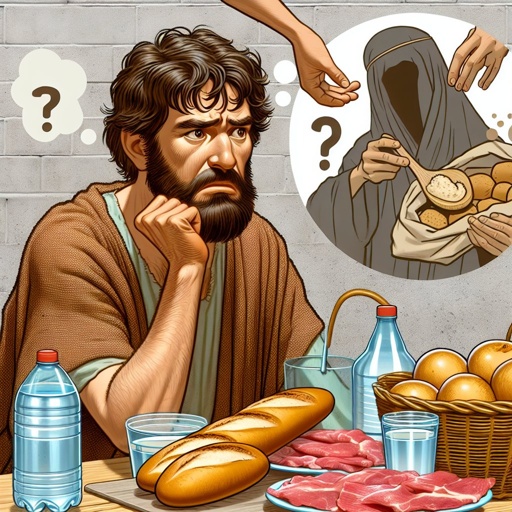
1 Samuel 25:11 - "Shall I then take my bread, and my water, and my flesh that I have killed for my shearers, and give it unto men, whom I know not whence they be?"

2 Samuel 11:18 - "¶ Then Joab sent and told David all the things concerning the war;"

2 Samuel 1:25 - "How are the mighty fallen in the midst of the battle! O Jonathan, thou wast slain in thine high places."

2 Samuel 22:25 - "Therefore the LORD hath recompensed me according to my righteousness; according to my cleanness in his eye sight."

2 Samuel 21:11 - "And it was told David what Rizpah the daughter of Aiah, the concubine of Saul, had done."

2 Samuel 5:25 - "And David did so, as the LORD had commanded him; and smote the Philistines from Geba until thou come to Gazer."

2 Samuel 11:5 - "And the woman conceived, and sent and told David, and said, I am with child."

"And Sheva was scribe: and Zadok and Abiathar were the priests:" - 2 Samuel 20:25

2 Samuel 18:25 - "And the watchman cried, and told the king. And the king said, If he be alone, there is tidings in his mouth. And he came apace, and drew near."

2 Samuel 11:22 - "¶ So the messenger went, and came and shewed David all that Joab had sent him for."

2 Samuel 3:11 - "And he could not answer Abner a word again, because he feared him."

2 Samuel 11:14 - "¶ And it came to pass in the morning, that David wrote a letter to Joab, and sent it by the hand of Uriah."

2 Samuel 19:25 - "And it came to pass, when he was come to Jerusalem to meet the king, that the king said unto him, Wherefore wentest not thou with me, Mephibosheth?"

2 Samuel 22:11 - "And he rode upon a cherub, and did fly: and he was seen upon the wings of the wind."

Philippians 2:5-11

2 Samuel 24:25 - "And David built there an altar unto the LORD, and offered burnt offerings and peace offerings. So the LORD was intreated for the land, and the plague was stayed from Israel."

2 Samuel 11:6 - "¶ And David sent to Joab, saying, Send me Uriah the Hittite. And Joab sent Uriah to David."

2 Samuel 11:26 - "¶ And when the wife of Uriah heard that Uriah her husband was dead, she mourned for her husband."