The Mourning of Bathsheba: A Reflection on Grief and Restoration
“And when the wife of Uriah heard that Uriah her husband was dead, she mourned for her husband.” — 2 Samuel 11:26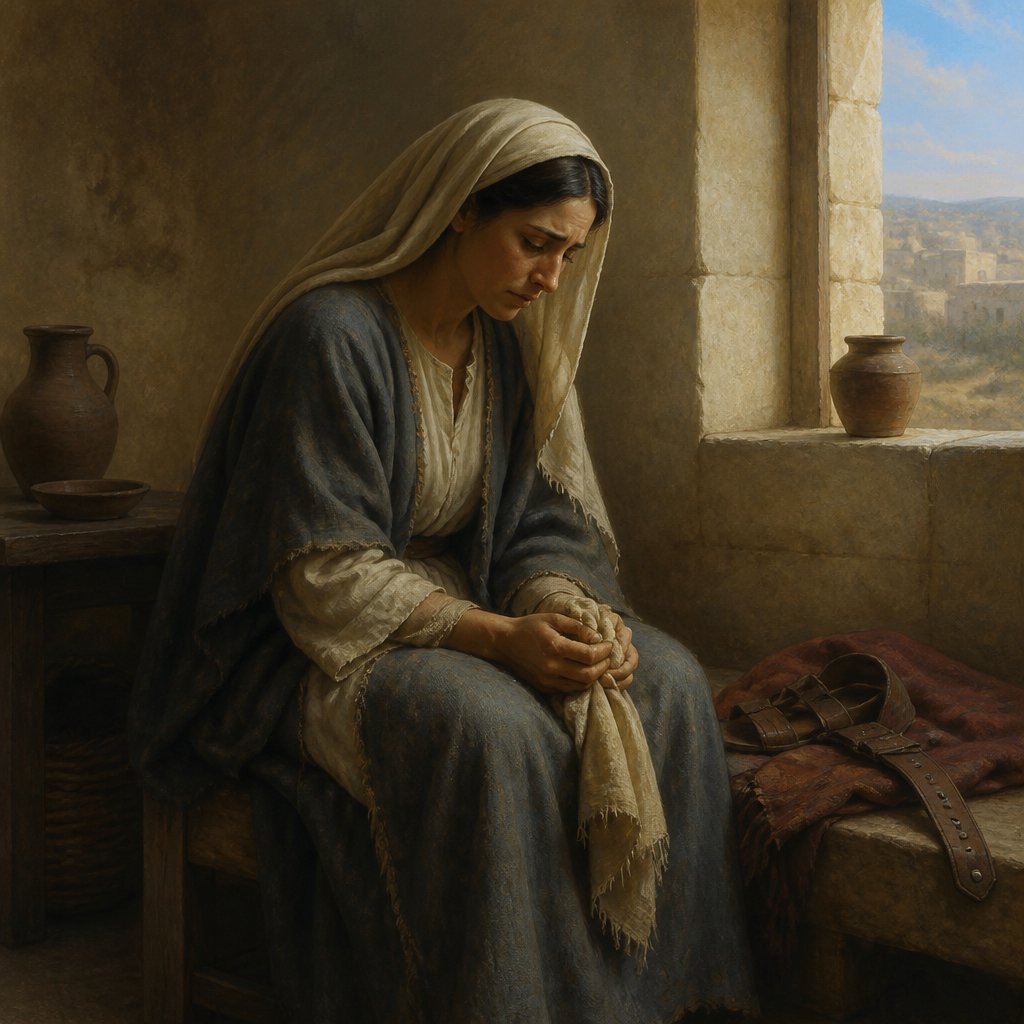
As we delve into the depths of 2 Samuel 11:26, which states, "And when the wife of Uriah heard that Uriah her husband was dead, she mourned for her husband," we encounter a moment steeped in profound sorrow—the mourning of Bathsheba. This passage emerges from a dark chapter in the life of David, a man after God's own heart, who fell into grievous sin leading to the death of Uriah, Bathsheba’s faithful husband. It serves not only as a stark reminder of human fragility and the consequences of sin but also as a revelation of God’s redemptive plan amidst the ashes of despair.
Bathsheba’s grief is palpable in the text. She is not merely a plot device in the narrative; she is a woman experiencing the raw pain of loss, a reminder that grief is universal—it transcends the boundaries of time, culture, and circumstance. Our hearts can resonate with her sorrow; after all, death is an inevitable part of our human experience. Bathsheba mourns not just for a husband but for the dreams and future they had envisioned together. Her mourning serves as an invitation for us to acknowledge our feelings and the depth of pain that loss brings. In a world where grief is often overlooked or rushed through, we are reminded that mourning is a sacred act, a recognition of love lost and the void left behind.
This verse introduces a pivotal moment—a transition from the act of sin to the consequences that unfold from it. King David, in his quest for fulfillment, turned to deception and murder. He tried to cover his sins, but Bathsheba was left to bear the heart's anguish. Her despair is a reflection of the far-reaching effects of sin—not only on the sinner but on the innocent as well. It forces us to scrutinize our actions and their impact on those around us. How often do our decisions, aimed at satisfying our own desires, carry consequences for others whom we may not even consider?
Moreover, the depth of Bathsheba's sorrow is a testament to her love for Uriah. The act of mourning is deeply personal and often complex, intertwined with regret, love, and the haunting question of 'what if.' This verse calls us to reflect on our relationships and the importance of cherishing those we love before it is too late. It encourages us to cultivate not only our relationships but our emotional openness, allowing ourselves to grieve fully when the time comes.
Yet, within this narrative of sorrow lies a seed of hope. The story continues beyond Bathsheba’s mourning. God does not abandon those who grieve. With time, Bathsheba would become the mother of Solomon, who would ascend to the throne and become a significant figure in Israel’s history. God’s redemptive hand works through the darkness, and from loss can come new beginnings, healing, and clarity. This portrays a critical truth: that even amid our most profound grief, God is at work, weaving our stories into something far greater than we can see.
As we reflect upon Bathsheba's mourning, let us take a moment to embrace our emotions and extend grace toward ourselves and others in times of loss. Mourning is an act of love, a necessary step in our journey toward healing. It draws us closer to God, who understands our grief and walks with us through our darkest valleys. Let us pray for the ability to grieve well and to find comfort in knowing that God is able to turn our ashes into beauty, as He promises in Isaiah 61:3. May we trust in His promise of restoration and recognize that, like Bathsheba, our narratives can be transformed from sorrow to joy, from despair to hope. May we, too, find new life springing forth from the depths of our mourning.
Get our apps


Artwork for 2 Samuel 11:26

2 Samuel 11:26 - "¶ And when the wife of Uriah heard that Uriah her husband was dead, she mourned for her husband."
"¶ And when the wife of Uriah heard that Uriah her husband was dead, she mourned for her husband." - 2 Samuel 11:26

1 Samuel 2:26 - "And the child Samuel grew on, and was in favour both with the LORD, and also with men."

2 Samuel 11:9

2 Samuel 11

2 samuel 11

2 Samuel 11:11

2 Samuel 17:26 - "So Israel and Absalom pitched in the land of Gilead."

2 Samuel 23:26 - "Helez the Paltite, Ira the son of Ikkesh the Tekoite,"

2 Samuel 20:26 - "And Ira also the Jairite was a chief ruler about David."

2 Samuel 12:26 - "And Joab fought against Rabbah of the children of Ammon, and took the royal city."

"And the child Samuel grew on, and was in favour both with the LORD, and also with men." - 1 Samuel 2:26

2 Samuel 2:11 - "And the time that David was king in Hebron over the house of Judah was seven years and six months."

2 Samuel 22:26 - "With the merciful thou wilt shew thyself merciful, and with the upright man thou wilt shew thyself upright."

2 Samuel 11:18 - "¶ Then Joab sent and told David all the things concerning the war;"

2 Samuel 21:11 - "And it was told David what Rizpah the daughter of Aiah, the concubine of Saul, had done."

"Helez the Paltite, Ira the son of Ikkesh the Tekoite," - 2 Samuel 23:26

"So Israel and Absalom pitched in the land of Gilead." - 2 Samuel 17:26

1 Samuel 26:2 - "Then Saul arose, and went down to the wilderness of Ziph, having three thousand chosen men of Israel with him, to seek David in the wilderness of Ziph."

2 Samuel 11:5 - "And the woman conceived, and sent and told David, and said, I am with child."

2 Samuel 11:22 - "¶ So the messenger went, and came and shewed David all that Joab had sent him for."

2 Samuel 3:11 - "And he could not answer Abner a word again, because he feared him."

2 Samuel 11:14 - "¶ And it came to pass in the morning, that David wrote a letter to Joab, and sent it by the hand of Uriah."
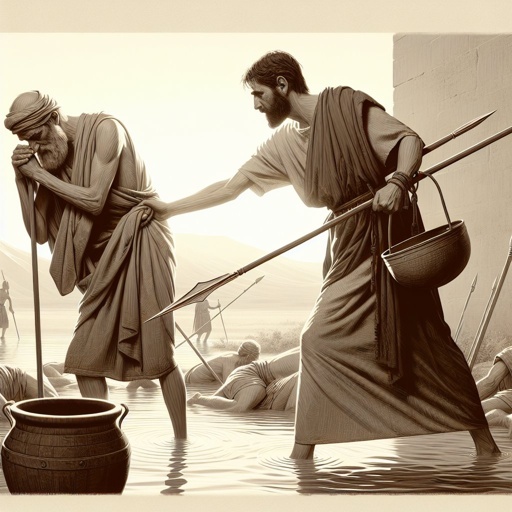
1 Samuel 26:11 - "The LORD forbid that I should stretch forth mine hand against the LORD'S anointed: but, I pray thee, take thou now the spear that is at his bolster, and the cruse of water, and let us go."

"And Ira also the Jairite was a chief ruler about David." - 2 Samuel 20:26

2 Samuel 22:11 - "And he rode upon a cherub, and did fly: and he was seen upon the wings of the wind."

2 Samuel 2:26 - "Then Abner called to Joab, and said, Shall the sword devour for ever? knowest thou not that it will be bitterness in the latter end? how long shall it be then, ere thou bid the people return from following their brethren?"

2 Samuel 11:6 - "¶ And David sent to Joab, saying, Send me Uriah the Hittite. And Joab sent Uriah to David."

2 Samuel 15:26 - "But if he thus say, I have no delight in thee; behold, here am I, let him do to me as seemeth good unto him."

2 Samuel 1:11 - "Then David took hold on his clothes, and rent them; and likewise all the men that were with him:"