The Weight of Secret Sin
“Wherefore hast thou despised the commandment of the LORD, to do evil in his sight? thou hast killed Uriah the Hittite with the sword, and hast taken his wife to be thy wife, and hast slain him with the sword of the children of Ammon.” — 2 Samuel 12:9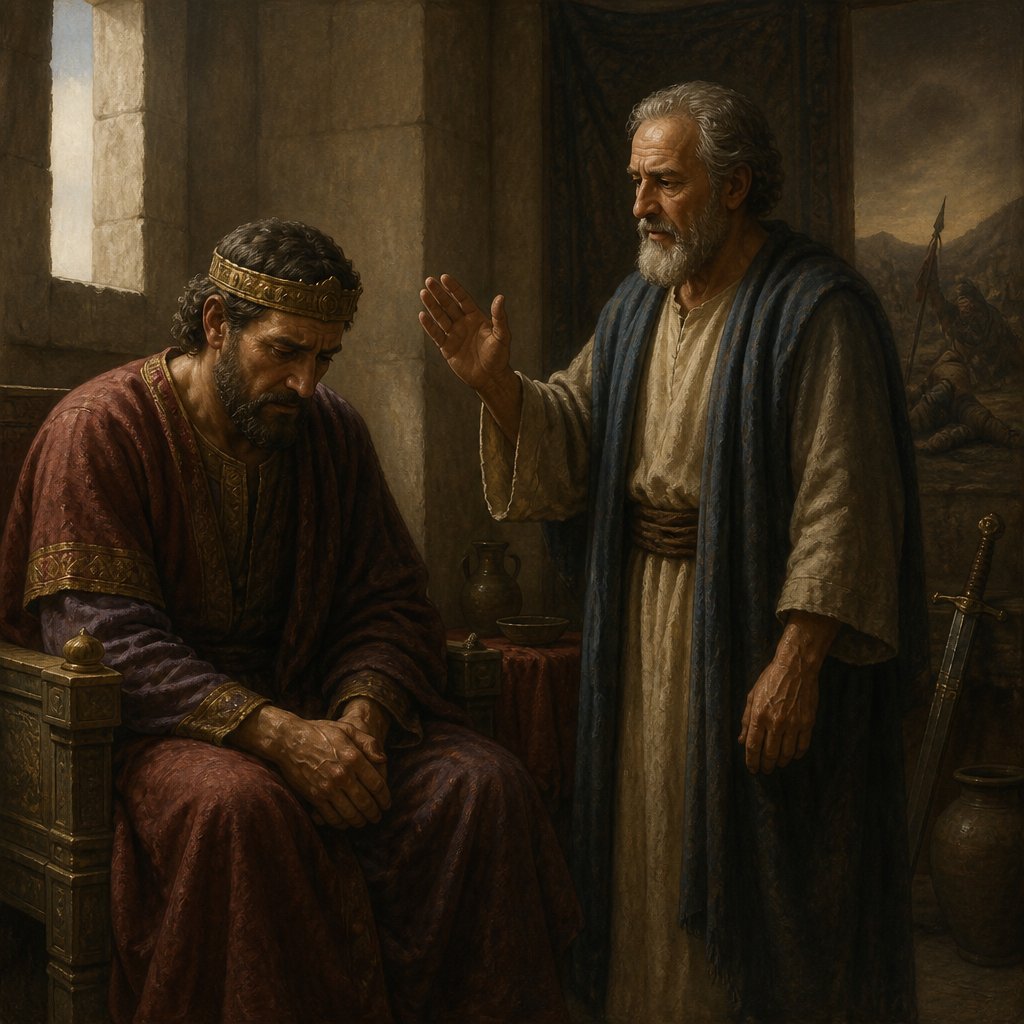
In 2 Samuel 12:9, we find ourselves in a solemn confrontation between the prophet Nathan and King David. Nathan’s words, heavy with divine authority, pierce through the façade of David’s kingship. "Wherefore hast thou despised the commandment of the LORD, to do evil in his sight? thou hast killed Uriah the Hittite with the sword, and hast taken his wife to be thy wife, and hast slain him with the sword of the children of Ammon." These words echo throughout history, illustrating the depths of human failure and the grasp of divine mercy.
To understand the gravity of Nathan’s accusation, we must reflect on the context in which these events unfolded. David, a man after God’s own heart (1 Samuel 13:14), had fallen from grace. In the stillness of a rooftop, he beheld Bathsheba, the wife of Uriah, and allowed temptation to morph into treachery. He lusted, he acted, and in his attempt to cover his sin, he orchestrated the death of an innocent man—a loyal soldier who had fought valiantly for his king. This act of betrayal was not just against Uriah; it was a direct affront to the commandments of God.
David’s actions, as Nathan reveals, are not merely saboteurs of moral integrity but outright disdain for the law of the Lord. "Despised the commandment of the LORD" signifies a rejection—a conscious choice to ignore divine directives in favor of personal desire. David’s sin did not happen in isolation; it reflects a broader truth about human nature. We are prone to rationalize our choices, to cloak our depravity in misunderstandings of grace, but sin believes it can exist without consequence.
The reality is that sin thrives in secrecy, hiding in the shadowy corners of our hearts where remorse and repentance struggle to ignite. But Nathan’s confrontation is a divine intervention—a beacon that dispels the darkness. God, in His infinite wisdom, does not leave David to languish in denial. Instead, He sends Nathan, not only to expose the sin but to remind David of His righteousness. God’s action embodies perfect justice, offering David a chance to confront and repent for his heinous actions.
This all brings us to examine the motives and desires that lead us into similar spiritual pitfalls. Are we, too, dismissing God's commandments in favor of worldly pleasures? Perhaps we justify friendships that lead us astray or overlook harmful habits that creep into our lives unchecked. Every action, big or small, can lead us into a cycle of dismissal that distances us from God. Nathan’s bold inquiry serves as a vital reminder: sin, when left unchallenged, binds us, rendering us ineffective witnesses to God’s grace.
The importance of Nathan’s words cannot be overstated. They invite us into a moment of reckoning with ourselves. If we view this scripture through the lens of divine love, we see it not merely as an indictment but as a faithful call to liberty through repentance. The Father desires that no one should perish but that all should come to repentance (2 Peter 3:9). Thus, the confrontation serves as both a warning and a pathway back to grace.
What can we take away from this encounter today? Firstly, we must develop the willingness to engage in self-reflection. The spirit of conviction is not to shatter us but to lead us to restoration. Ask yourself: Are there areas in my life where I have despised the commandments of the Lord? Secondly, understanding that God’s forgiveness is always available can instill hope. David’s heartfelt repentance, as later recorded in Psalm 51, showcases the possibility of restoration.
Lastly, let us embody the character of Nathan, bearing the truth with love and grace. We should seek to have the courage to speak out for righteousness in our communities and personal lives, helping one another navigate the complexities of sin and redemption. Remember today, that even the greatest of believers may stumble, but it is the response to our failures that defines our hearts. In all things, may we strive to honor God’s commandments, remembering that His eye is ever upon us, both in our triumphs and our failures.
Get our apps


Artwork for 2 Samuel 12:9

2 Samuel 12:9 - "Wherefore hast thou despised the commandment of the LORD, to do evil in his sight? thou hast killed Uriah the Hittite with the sword, and hast taken his wife to be thy wife, and hast slain him with the sword of the children of Ammon."
"Wherefore hast thou despised the commandment of the LORD, to do evil in his sight? thou hast killed Uriah the Hittite with the sword, and hast taken his wife to be thy wife, and hast slain him with the sword of the children of Ammon." - 2 Samuel 12:9

2 Samuel 9:12 - "And Mephibosheth had a young son, whose name was Micha. And all that dwelt in the house of Ziba were servants unto Mephibosheth."

2 Samuel 5:12

1 Samuel 2:12

2 Samuel 11:9

2 Samuel 12:2 - "The rich man had exceeding many flocks and herds:"

2 Samuel 12:12 - "For thou didst it secretly: but I will do this thing before all Israel, and before the sun."

1 Samuel 9:1-2

2 samuel 9:7 fhdhdhdhhd

2 Samuel 2:12 - "¶ And Abner the son of Ner, and the servants of Ish-bosheth the son of Saul, went out from Mahanaim to Gibeon."

2 Corinthians 12:9

2 Corinthians 12:9

2 Corinthians 12:9

1 Samuel 2:12 - "¶ Now the sons of Eli were sons of Belial; they knew not the LORD."
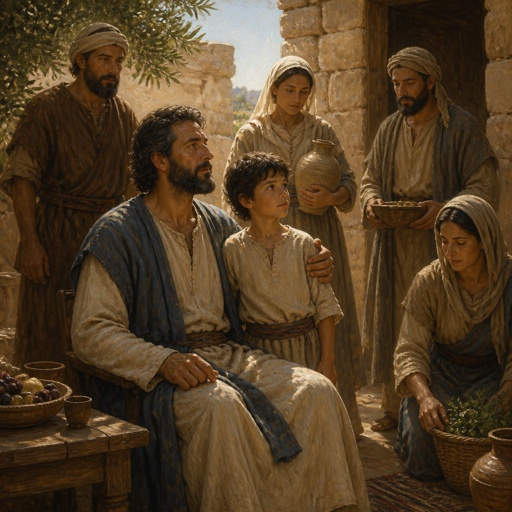
"And Mephibosheth had a young son, whose name was Micha. And all that dwelt in the house of Ziba were servants unto Mephibosheth." - 2 Samuel 9:12

2 Samuel 12:26 - "And Joab fought against Rabbah of the children of Ammon, and took the royal city."
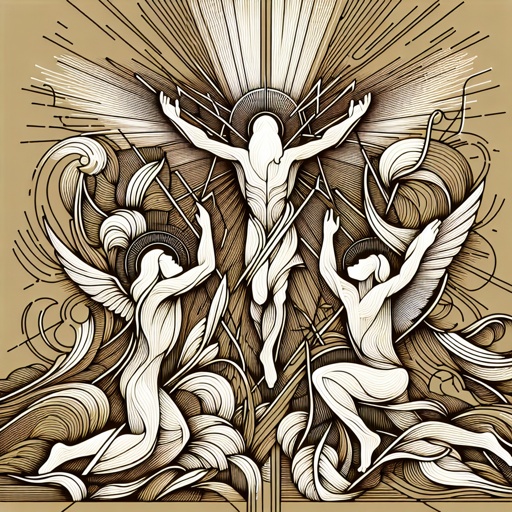
2 Corinthians 12:9-10

2 Samuel 12:29 - "And David gathered all the people together, and went to Rabbah, and fought against it, and took it."

2 Samuel 2:9 - "And made him king over Gilead, and over the Ashurites, and over Jezreel, and over Ephraim, and over Benjamin, and over all Israel."

2 Samuel 23:12 - "But he stood in the midst of the ground, and defended it, and slew the Philistines: and the LORD wrought a great victory."

2 Samuel 8:9 - "¶ When Toi king of Hamath heard that David had smitten all the host of Hadadezer,"
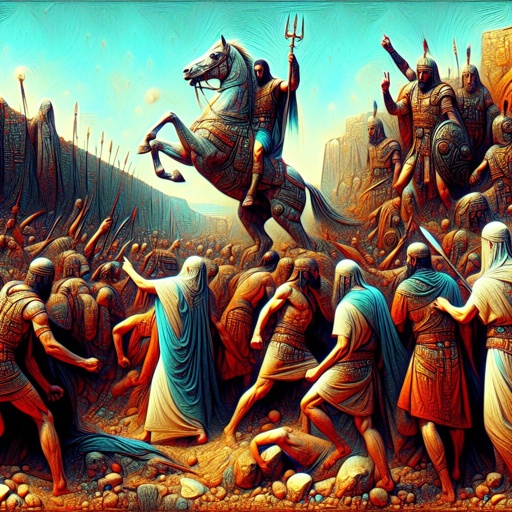
1 Samuel 12:9 - "And when they forgat the LORD their God, he sold them into the hand of Sisera, captain of the host of Hazor, and into the hand of the Philistines, and into the hand of the king of Moab, and they fought against them."

2 Samuel 9:9 - "¶ Then the king called to Ziba, Saul's servant, and said unto him, I have given unto thy master's son all that pertained to Saul and to all his house."

2 Samuel 6:9 - "And David was afraid of the LORD that day, and said, How shall the ark of the LORD come to me?"

2 Samuel 15:9 - "And the king said unto him, Go in peace. So he arose, and went to Hebron."

1 Samuel 9:12 - "And they answered them, and said, He is; behold, he is before you: make haste now, for he came to day to the city; for there is a sacrifice of the people to day in the high place:"

2 Samuel 7:1–29

2 Samuel 8:12 - "Of Syria, and of Moab, and of the children of Ammon, and of the Philistines, and of Amalek, and of the spoil of Hadadezer, son of Rehob, king of Zobah."

2 Samuel 22:12 - "And he made darkness pavilions round about him, dark waters, and thick clouds of the skies."