A Mother's Plea and a King's Promise: The Power of Divine Mercy
“Then said she, I pray thee, let the king remember the LORD thy God, that thou wouldest not suffer the revengers of blood to destroy any more, lest they destroy my son. And he said, As the LORD liveth, there shall not one hair of thy son fall to the earth.” — 2 Samuel 14:11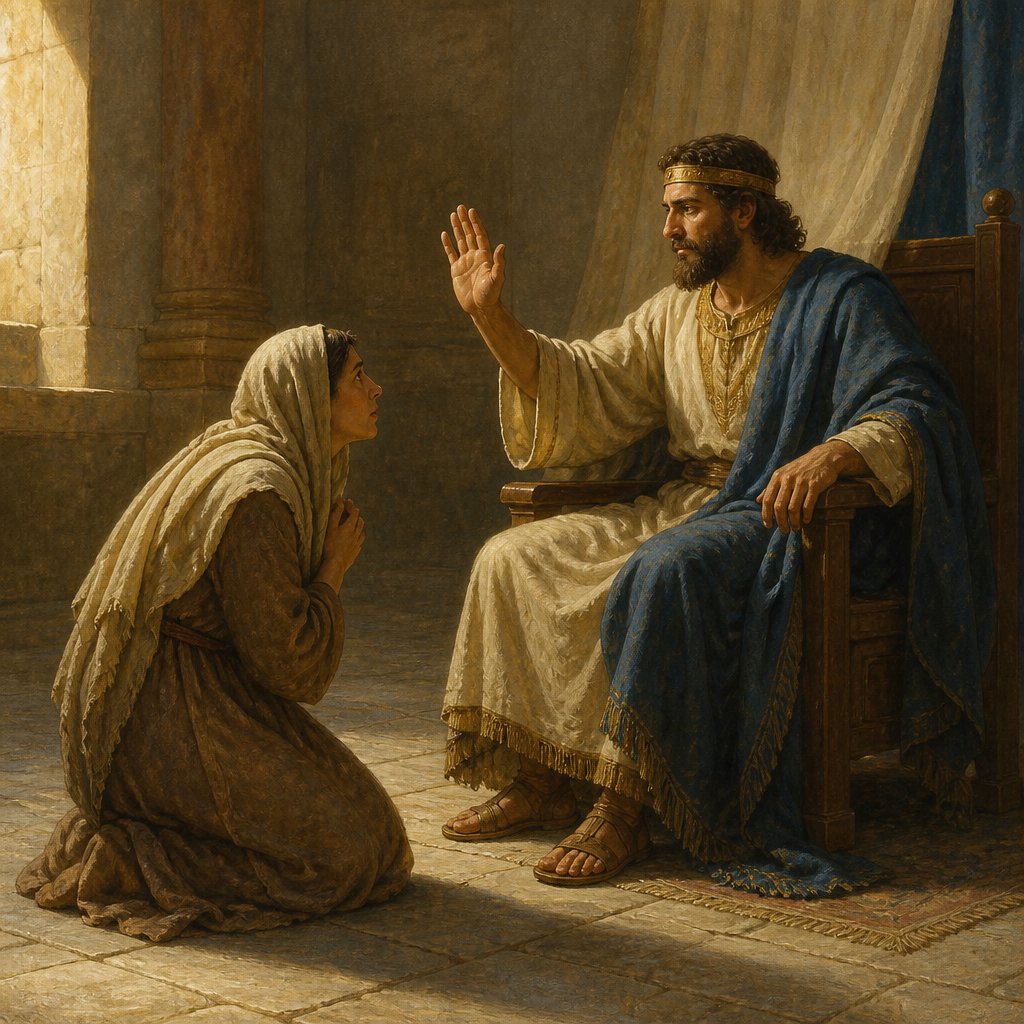
In 2 Samuel 14:11, we witness a poignant moment laden with emotion and urgency. The verse states: "Then said she, I pray thee, let the king remember the LORD thy God, that thou wouldest not suffer the revengers of blood to destroy any more, lest they destroy my son. And he said, As the LORD liveth, there shall not one hair of thy son fall to the earth." Here, the woman from Tekoah approaches King David with a heart full of desperation, a mother pleading for her son's life.
This moment is rich with theological significance that echoes throughout the Scriptures, illustrating profoundly human emotions intertwined with divine sovereignty and mercy. King David, known as a man after God's own heart, finds himself in a position of authority where his decision can either uphold justice or extend mercy. The conflict between justice and mercy is a timeless theme that resonates deeply in our lives today.
The woman's invocation to the king to remember the LORD encourages us to reflect on the importance of divine remembrance in the face of human crises. It reveals a deep understanding that our pleas should be rooted in God’s nature. The appeal to remember God is a reminder that our Creator is loving, just, and merciful — qualities that can influence our decisions greatly. When she appeals to King David, she is not just seeking a personal favor; she is invoking the nature of God to stir compassion within him. This act of reminding is pivotal; it is a call for the king to transcend his human instinct for justice for a moment and consider the heart of God which desires mercy above all.
From a broader perspective, we must acknowledge that the tension between justice and mercy affects us all. There are times in our lives when we feel that we are unworthy of mercy due to the gravity of our own shortcomings or the consequences of our actions. Like the woman who feared for her son, we grapple with the fear that our pasts might define our futures. But as believers, we can take comfort in knowing that God’s thoughts are higher than ours, and His mercy can extend into the darkest situations of our life.
David’s promise, “As the LORD liveth, there shall not one hair of thy son fall to the earth,” signifies more than just a declaration of protection; it is an assurance of life against the looming threat of vengeance. David’s words reflect the heart of God, who desires life and restoration rather than death and destruction. It prompts the question: How do we respond when faced with situations demanding justice? Are we quick to condemn, or do we pause, remembering that God calls us to be vessels of His mercy?
In our daily interactions, we often find ourselves in the roles of both king and mother. We can easily assume we are the judges in situations requiring discernment, but we also occupy spaces where we seek mercy and protection. Let us consider the power of our words and decisions. Just as the woman summoned the king to remember God in his judgments, we also must consider how we stand before God, invoking His nature in our requests.
Moreover, consider the greater context of this passage. David’s reign was fraught with personal and national conflicts, yet it was through the simple sincerity of a determined mother that mercy prevailed in a seemingly impossible situation. This story teaches us that our supplicatory prayers can stir even the most hardened hearts to reconsider their paths.
As we reflect on this passage, may we be emboldened to approach the throne of grace with our pleas, confident that we can invoke God’s mercy in our lives and the lives of those we love. Let us live in such a way that mirrors the call to remember the Lord, ensuring that both our actions and prayers are steeped in mercy, fostering an environment where life can flourish. May we, like David, hold true to our promises, ensuring to protect and cherish those entrusted to us, remembering that in God’s eyes, every life is precious and worthy of grace.
Get our apps


Artwork for 2 Samuel 14:11
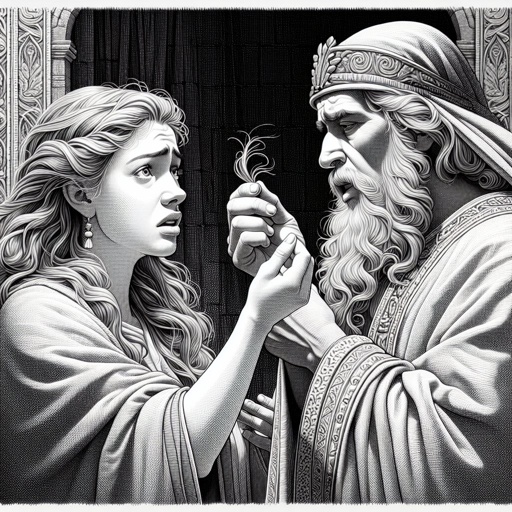
2 Samuel 14:11 - "Then said she, I pray thee, let the king remember the LORD thy God, that thou wouldest not suffer the revengers of blood to destroy any more, lest they destroy my son. And he said, As the LORD liveth, there shall not one hair of thy son fall to the earth."
"Then said she, I pray thee, let the king remember the LORD thy God, that thou wouldest not suffer the revengers of blood to destroy any more, lest they destroy my son. And he said, As the LORD liveth, there shall not one hair of thy son fall to the earth." - 2 Samuel 14:11

2 Samuel 11:14 - "¶ And it came to pass in the morning, that David wrote a letter to Joab, and sent it by the hand of Uriah."

1 Samuel 11:14 - "Then said Samuel to the people, Come, and let us go to Gilgal, and renew the kingdom there."

2 Samuel 11:11
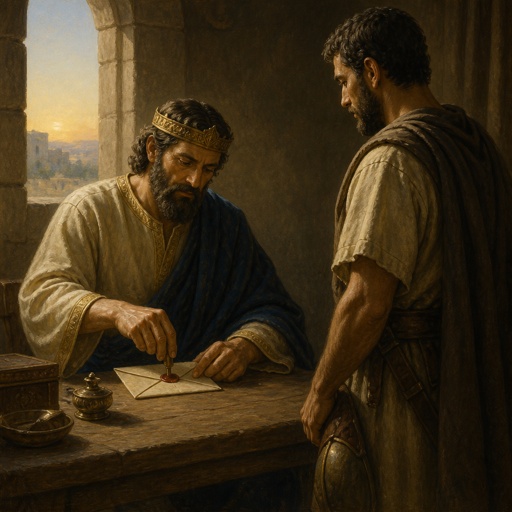
"¶ And it came to pass in the morning, that David wrote a letter to Joab, and sent it by the hand of Uriah." - 2 Samuel 11:14

2 Samuel 11

2 samuel 11

2 Samuel 6:14

2 Samuel 11:9

2 Samuel 6:14–22

2 Samuel 23:14 - "And David was then in an hold, and the garrison of the Philistines was then in Beth-lehem."

"Then said Samuel to the people, Come, and let us go to Gilgal, and renew the kingdom there." - 1 Samuel 11:14

Titus 2:11-14

Titus 2:11-14

Titus 2:11-14

Titus 2:11-14

Titus 2:11-14

2 Samuel 2:11 - "And the time that David was king in Hebron over the house of Judah was seven years and six months."

2 Samuel 14:23 - "So Joab arose and went to Geshur, and brought Absalom to Jerusalem."

2 Samuel 11:18 - "¶ Then Joab sent and told David all the things concerning the war;"

2 Samuel 22:14 - "The LORD thundered from heaven, and the most High uttered his voice."

2 Samuel 16:14 - "And the king, and all the people that were with him, came weary, and refreshed themselves there."

2 Samuel 14:1 - "Now Joab the son of Zeruiah perceived that the king's heart was toward Absalom."

2 Samuel 21:11 - "And it was told David what Rizpah the daughter of Aiah, the concubine of Saul, had done."

2 Samuel 11:5 - "And the woman conceived, and sent and told David, and said, I am with child."

2 Samuel 14:28 - "¶ So Absalom dwelt two full years in Jerusalem, and saw not the king's face."

2 Corinthians 11:14 - "And no marvel; for Satan himself is transformed into an angel of light."

1 Samuel 14:11 - "And both of them discovered themselves unto the garrison of the Philistines: and the Philistines said, Behold, the Hebrews come forth out of the holes where they had hid themselves."

2 Samuel 2:14 - "And Abner said to Joab, Let the young men now arise, and play before us. And Joab said, Let them arise."