The Distance Between Kings and Sons
“And the king said, Let him turn to his own house, and let him not see my face. So Absalom returned to his own house, and saw not the king’s face.” — 2 Samuel 14:24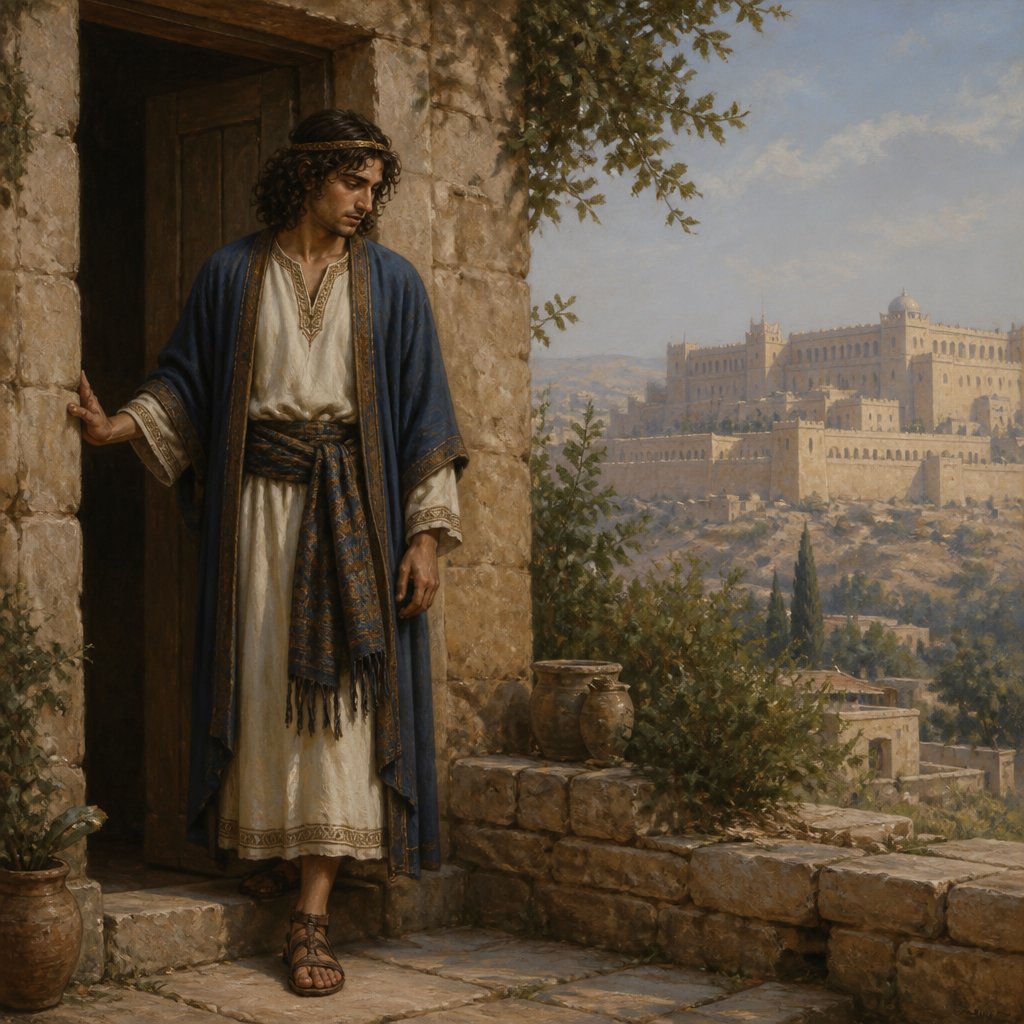
In 2 Samuel 14:24, we encounter a poignant and heart-wrenching moment in the relationship between King David and his son Absalom. The verse states, "And the king said, Let him turn to his own house, and let him not see my face. So Absalom returned to his own house, and saw not the king's face." This command from David encapsulates a profound theme of separation, forgiveness, and the weight of unhealed wounds.
To fully appreciate this moment, we need to go back in time and understand the context. Absalom had killed his brother Amnon out of revenge for Amnon's heinous act against their sister Tamar. After the murder, Absalom fled, and it was three years before he was allowed to return to Jerusalem. Despite his return, King David’s instruction for him to live in isolation and not see his face reveals a painful rift borne out of unresolved conflict.
The tone of this scripture indicates sorrow and a profound sense of loss, not just for David as a king but as a father. As we meditate on this passage, we can draw parallels to the relationships in our own lives. Are there individuals from whom we must create distance due to unresolved conflict or hurt? Perhaps we see echoes of Absalom's shame and anguish in our own relationships—situations where pride or bitterness keep us from reconciliation.
Absalom’s return home, while an act of physical relocation, signifies a deeper emotional and relational distance. This reminds us that being in close proximity to someone does not guarantee closeness in relationship. King David might have physically welcomed Absalom back to Jerusalem, but emotionally, there was still a chasm between them, a barrier built from past sins and unforgiven hurt. In a similar fashion, we often live behind walls built from unresolved issues, ignoring the pain that keeps our relationships stagnant.
As Christians, we understand the power of forgiveness—something that takes incredible strength and vulnerability. Jesus teaches us about loving our enemies and forgiving those who have wronged us in Matthew 6:14-15. But here we see a human struggle, a father burdened by grief and anger who cannot seem to bridge that chasm even for his beloved son. This passage urges us to examine our hearts. Are we holding onto resentment that keeps us from expressing love and forgiveness? Can we risk vulnerability in the hope of healing?
In practical terms, this story gives us a process to consider. First, acknowledge the pain and hurt that exists in our relationships. King David didn't minimize his feelings; he expressed an unwillingness to interact with Absalom. Then, contemplate the barriers we create and how these affect our ability to connect with loved ones. While their issues may be deep-rooted, we must also consider our role and willingness to reach out in love, even when it feels uncomfortable.
Lastly, we are reminded of the overarching narrative of redemption. David's decision to distance himself from Absalom was not the end of the story—there are numerous accounts of grace and reconciliation throughout the Bible. The story of the prodigal son encapsulates a father who, despite the pain, eagerly awaited his son's return. God’s desire is for restoration and healing. Just as David had the opportunity to embrace his son, we too have the capacity to bridge the gaps that exist in our hearts.
As we reflect on 2 Samuel 14:24, let us become champions of reconciliation in a world that perpetuates conflict. Embrace the challenge to forgive and restore, moving toward the promise of a renewed relationship, and in doing so, discover the transformative power of love and grace.
Get our apps


Artwork for 2 Samuel 14:24
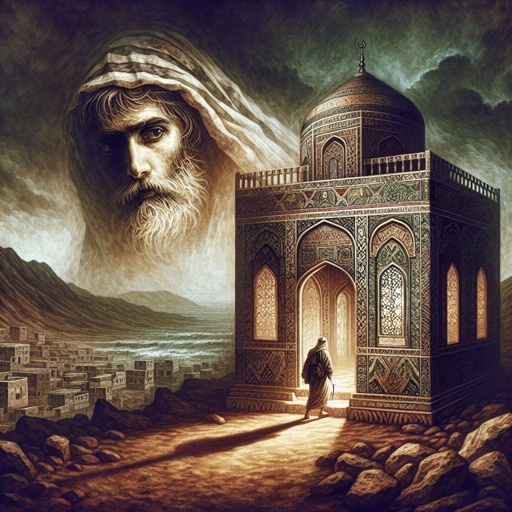
2 Samuel 14:24 - "And the king said, Let him turn to his own house, and let him not see my face. So Absalom returned to his own house, and saw not the king's face."
"And the king said, Let him turn to his own house, and let him not see my face. So Absalom returned to his own house, and saw not the king's face." - 2 Samuel 14:24

2 Samuel 24:14 - "And David said unto Gad, I am in a great strait: let us fall now into the hand of the LORD; for his mercies are great: and let me not fall into the hand of man."

2 Samuel 19:24

2 Samuel 24:22

2 Samuel 24:22

2 Samuel 24:22

2 Samuel 6:14

2 Samuel 20:24 - "And Adoram was over the tribute: and Jehoshaphat the son of Ahilud was recorder:"

1 Samuel 24:14 - "After whom is the king of Israel come out? after whom dost thou pursue? after a dead dog, after a flea."

2 Samuel 24:19 - "And David, according to the saying of Gad, went up as the LORD commanded."

2 Samuel 6:14–22

2 Samuel 24:6 - "Then they came to Gilead, and to the land of Tahtim-hodshi; and they came to Dan-jaan, and about to Zidon,"

2 Samuel 23:14 - "And David was then in an hold, and the garrison of the Philistines was then in Beth-lehem."

2 Samuel 23:24 - "Asahel the brother of Joab was one of the thirty; Elhanan the son of Dodo of Beth-lehem,"

2 Samuel 22:24 - "I was also upright before him, and have kept myself from mine iniquity."

2 Samuel 17:24 - "Then David came to Mahanaim. And Absalom passed over Jordan, he and all the men of Israel with him."

1 Samuel 2:24 - "Nay, my sons; for it is no good report that I hear: ye make the LORD'S people to transgress."

2 Samuel 14:23 - "So Joab arose and went to Geshur, and brought Absalom to Jerusalem."

2 Samuel 24:11 - "For when David was up in the morning, the word of the LORD came unto the prophet Gad, David's seer, saying,"

2 Samuel 22:14 - "The LORD thundered from heaven, and the most High uttered his voice."

2 Samuel 16:14 - "And the king, and all the people that were with him, came weary, and refreshed themselves there."

2 Samuel 14:1 - "Now Joab the son of Zeruiah perceived that the king's heart was toward Absalom."

2 Samuel 24:5 - "¶ And they passed over Jordan, and pitched in Aroer, on the right side of the city that lieth in the midst of the river of Gad, and toward Jazer:"

2 Samuel 24:8 - "So when they had gone through all the land, they came to Jerusalem at the end of nine months and twenty days."

2 Samuel 14:28 - "¶ So Absalom dwelt two full years in Jerusalem, and saw not the king's face."

2 Samuel 11:14 - "¶ And it came to pass in the morning, that David wrote a letter to Joab, and sent it by the hand of Uriah."

2 Samuel 2:24 - "Joab also and Abishai pursued after Abner: and the sun went down when they were come to the hill of Ammah, that lieth before Giah by the way of the wilderness of Gibeon."

2 Samuel 2:14 - "And Abner said to Joab, Let the young men now arise, and play before us. And Joab said, Let them arise."

2 Samuel 24:7 - "And came to the strong hold of Tyre, and to all the cities of the Hivites, and of the Canaanites: and they went out to the south of Judah, even to Beer-sheba."