Pursuing the Shebas in Our Lives
"And David said to Abishai, Now shall Sheba the son of Bichri do us more harm than did Absalom: take thou thy lord’s servants, and pursue after him, lest he get him fenced cities, and escape us." - 2 Samuel 20:6
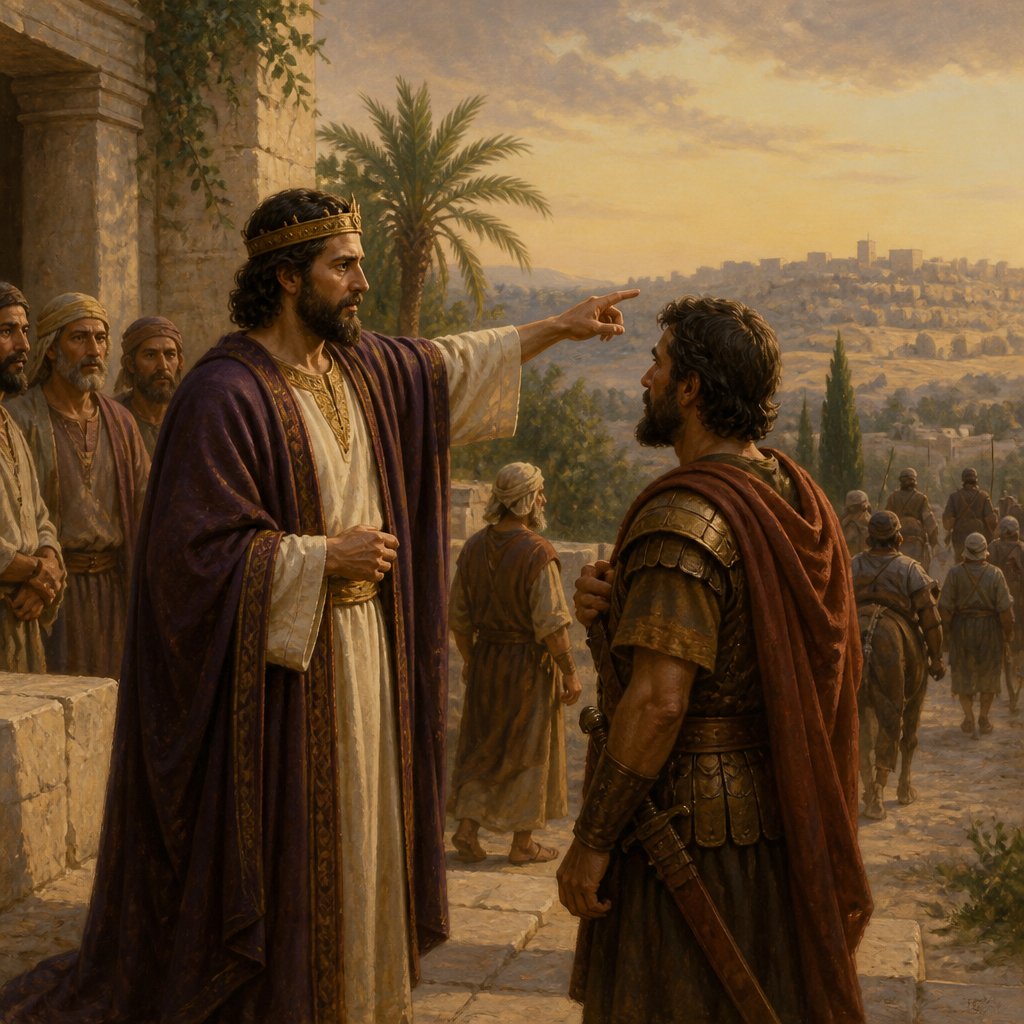
In 2 Samuel 20:6, we find David issuing a firm command to his loyal general Abishai, saying, "Now shall Sheba the son of Bichri do us more harm than did Absalom: take thou thy lord's servants, and pursue after him, lest he get him fenced cities, and escape us." This statement comes in the wake of turmoil and instability within David’s kingdom. Absalom had already caused significant strife, leading to a civil war that deeply impacted David and the nation of Israel. Now, as Sheba, a man of the same rebellious spirit emerged, David recognized that if left unchecked, Sheba could incite even greater harm than what had been witnessed during Absalom's revolt.
The spiritual and historical resonance of this verse serves as a profound reminder for us today. David's acknowledgment of the potential threat from Sheba leads to an important principle in spiritual warfare: the necessity of pursuing that which threatens to undermine our lives or the kingdom of God within us. Just as David understood the urgency of addressing Sheba before he could gain power or influence, we too must be vigilant about the various 'Shebas' that may arise in our own lives.
### The Reality of Spiritual Opposition
In our own spiritual journeys, we often face adversaries that may not seem immediately threatening, yet hold the potential to lead us away from our divine purpose. Sheba's rebellion may symbolize those distractions, sins, or adversities that seem small but could snowball into larger issues if left unaddressed. Like David, we must be aware of these threats and take preventive action. David’s choice of words indicates a clear understanding that the actions of Sheba, however minor they might have appeared at the moment, were likely to result in devastation if allowed to fester.
As we reflect on our lives, we may consider various forms of rebellion against God's ways: pride, resentment, unresolved conflict, temptations, or even negative relationships. Each of these can act like Sheba, encroaching upon our peace and purpose, leading to greater harm than we initially perceive.
### The Call to Action
David didn’t stop at identifying the threat; he called upon Abishai to act. This response highlights the second principle: the necessity of mobilizing resources and allies in times of crisis. In our spiritual pursuits, we are not called to fight alone. We have a community of faith that we may lean on, like David did with Abishai. The writer of Hebrews encourages us in Hebrews 10:24-25 to, "consider one another to provoke unto love and to good works: Not forsaking the assembling of ourselves together, as the manner of some is; but exhorting one another."
David enlisted his servants, recognizing the importance of collective action against a common enemy. We too should seek out accountability and support from fellow believers in our struggles, pushing each other toward righteousness and encouraging one another to pursue holiness.
### Fenced Cities and Escaping the Pursuit
David’s fear that Sheba might find refuge in "fenced cities" serves as a warning about the strongholds that can develop in our lives if we do not confront our issues head-on. Strongholds can be defined as patterns of thought or behavior that seem fortified against God’s truth. When we do not actively pursue those things that threaten our spiritual well-being, we inadvertently allow them to establish a foothold, becoming like those fenced cities — formidable barriers against spiritual growth and the righteousness God desires for us.
### Conclusion
As we meditate on 2 Samuel 20:6, let us reflect sincerely on our lives and identify our ‘Shebas’ – those elements we have allowed to linger without confrontation. Let us take David’s wisdom to heart: recognizing the potential harm, enlisting our brothers and sisters in Christ, and pursuing diligently that which seeks to undermine our spiritual health.
In doing so, we can avoid the snare of apathy, ensuring that we remain steadfast in the faith and faithful to the calling God has placed on each of our lives. In unity and strength, let us pursue righteousness as we follow the Lord. We are His servants, equipped and empowered to resist the Shebas that seek to harm us.
Want to reflect more on 2 Samuel 20:6?
Continue your spiritual journey with Bible Chat — an AI-powered tool for exploring God's Word through conversation. Ask questions, discover connections, and deepen your understanding.
Get Our Apps


2 Samuel 20:6 Artwork

2 Samuel 20:6 - "And David said to Abishai, Now shall Sheba the son of Bichri do us more harm than did Absalom: take thou thy lord's servants, and pursue after him, lest he get him fenced cities, and escape us."
"And David said to Abishai, Now shall Sheba the son of Bichri do us more harm than did Absalom: take thou thy lord's servants, and pursue after him, lest he get him fenced cities, and escape us." - 2 Samuel 20:6

2 Samuel 22:17-20

2 Samuel 20:20 - "And Joab answered and said, Far be it, far be it from me, that I should swallow up or destroy."

2 Samuel 20:25 - "And Sheva was scribe: and Zadok and Abiathar were the priests:"

2 Samuel 6:14

2 Samuel 6:20 - "¶ Then David returned to bless his household. And Michal the daughter of Saul came out to meet David, and said, How glorious was the king of Israel to day, who uncovered himself to day in the eyes of the handmaids of his servants, as one of the vain fellows shamelessly uncovereth himself!"

2 Samuel 20:24 - "And Adoram was over the tribute: and Jehoshaphat the son of Ahilud was recorder:"

2 Samuel 20:26 - "And Ira also the Jairite was a chief ruler about David."

2 Samuel 2:20 - "Then Abner looked behind him, and said, Art thou Asahel? And he answered, I am."

2 Samuel 6:14–22
1 Samuel 20:6 - "If thy father at all miss me, then say, David earnestly asked leave of me that he might run to Beth-lehem his city: for there is a yearly sacrifice there for all the family."

2 Samuel 16:20 - "¶ Then said Absalom to Ahithophel, Give counsel among you what we shall do."

1 Samuel 6:20 - "And the men of Beth-shemesh said, Who is able to stand before this holy LORD God? and to whom shall he go up from us?"

2 Samuel 6:6 - "¶ And when they came to Nachon's threshingfloor, Uzzah put forth his hand to the ark of God, and took hold of it; for the oxen shook it."

2 Samuel 1:20 - "Tell it not in Gath, publish it not in the streets of Askelon; lest the daughters of the Philistines rejoice, lest the daughters of the uncircumcised triumph."

2 Samuel 20:4 - "¶ Then said the king to Amasa, Assemble me the men of Judah within three days, and be thou here present."

2 Samuel 6:23 - "Therefore Michal the daughter of Saul had no child unto the day of her death."

2 Samuel 7:20 - "And what can David say more unto thee? for thou, Lord GOD, knowest thy servant."

2 Samuel 20:23 - "¶ Now Joab was over all the host of Israel: and Benaiah the son of Jehoiada was over the Cherethites and over the Pelethites:"

2 Samuel 22:6 - "The sorrows of hell compassed me about; the snares of death prevented me;"

2 Samuel 22:20 - "He brought me forth also into a large place: he delivered me, because he delighted in me."

1 Samuel 2:6 - "The LORD killeth, and maketh alive: he bringeth down to the grave, and bringeth up."

2 Samuel 24:6 - "Then they came to Gilead, and to the land of Tahtim-hodshi; and they came to Dan-jaan, and about to Zidon,"

2 Samuel 6:1 - "Again, David gathered together all the chosen men of Israel, thirty thousand."

2 Samuel 18:6 - "¶ So the people went out into the field against Israel: and the battle was in the wood of Ephraim;"

2 Samuel 20:13 - "When he was removed out of the highway, all the people went on after Joab, to pursue after Sheba the son of Bichri."

2 Samuel 3:20 - "So Abner came to David to Hebron, and twenty men with him. And David made Abner and the men that were with him a feast."

"And Sheva was scribe: and Zadok and Abiathar were the priests:" - 2 Samuel 20:25

2 Samuel 6:9 - "And David was afraid of the LORD that day, and said, How shall the ark of the LORD come to me?"