The Weight of Bloodshed: A Call to Righteousness
“How much more, when wicked men have slain a righteous person in his own house upon his bed? shall I not therefore now require his blood of your hand, and take you away from the earth?” — 2 Samuel 4:11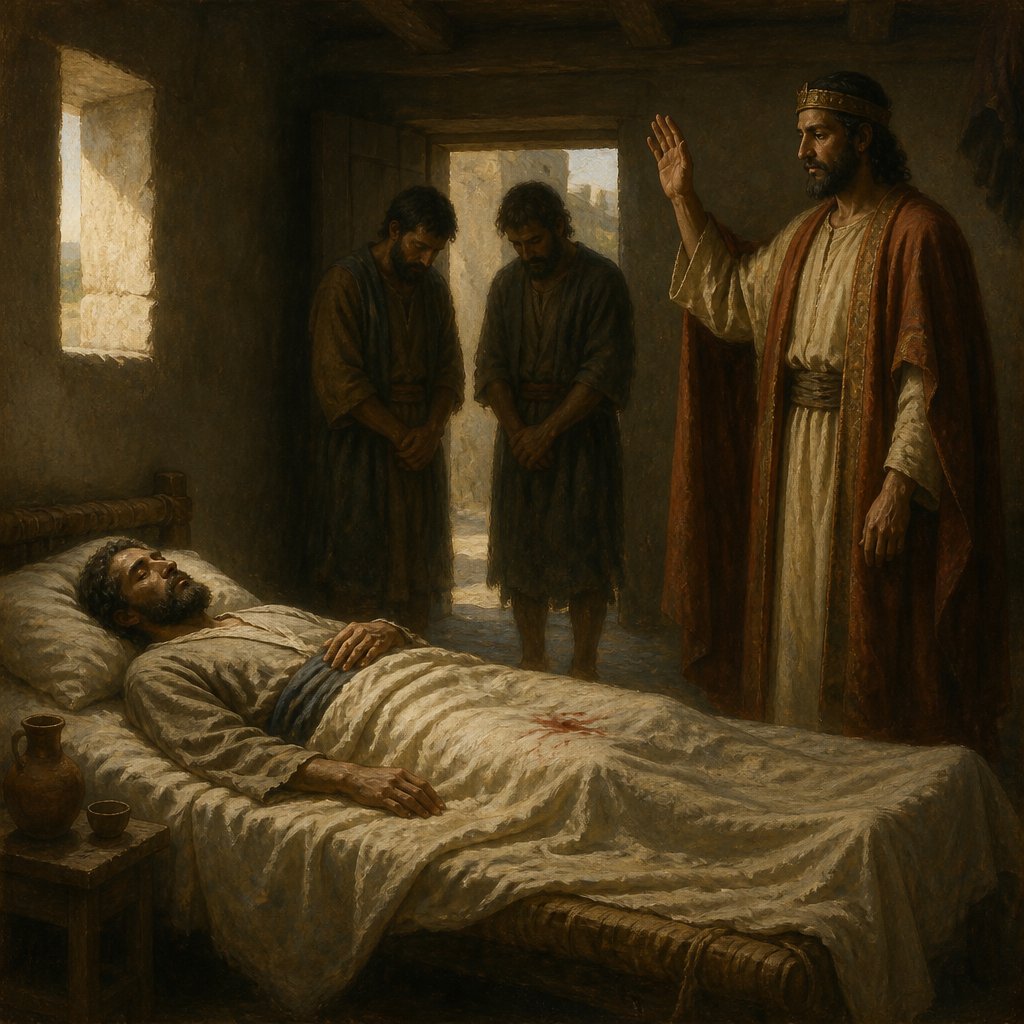
2 Samuel 4:11 states, "How much more, when wicked men have slain a righteous person in his own house upon his bed? shall I not therefore now require his blood of your hand, and take you away from the earth?" This verse, spoken by David in response to the assassination of Ishbosheth, highlights the sanctity of life and the severe consequences of murder. As we delve deeper into this scripture, we understand not only the gravity of the sin of murder but also the implications of justice, righteousness, and the repercussions of our choices before God.
In the context of 2 Samuel, David is responding to the heinous act committed by the captains of Ishbosheth. Ishbosheth was not just any man; he was the son of Saul and rival to David's throne. He had become a figure of stability in the eyes of some, despite his father's tragic legacy. What David noticed was that the murder of Ishbosheth by those he trusted was not merely a crime of power but a deep moral failure that called into question the righteousness of his assassins. David’s anguished reaction speaks volumes about God’s view of life.
The phrase "wicked men have slain a righteous person" resonates powerfully. Here, it is imperative to recognize the two contrasting characterizations: the righteous and the wicked. In a world where many falter and fall into the shadows of wickedness, this scripture reminds us of the importance of striving for righteousness in our own lives. Righteousness is more than just following the law; it encompasses living a life that honors God, where our actions align with His heart and will. David’s vehement response was driven by the understanding that the murder of a righteous person is a sin that demands justice. He recognized that life, especially a life lived righteously, is sacred and should be respected.
Moreover, David’s declaration, "shall I not therefore now require his blood of your hand," is indicative of God’s unchanging principle regarding justice. Bloodshed, particularly of the innocent, calls for accountability. The profound understanding of this principle is witnessed in Genesis 4:10, where God tells Cain, "The voice of thy brother's blood crieth unto me from the ground." Blood speaks; it cries out for justice, and when ignored, it leads to a cycle of vengeance and injustice. David, as a king placed in authority by God, had the responsibility to ensure that justice was meted out. This sense of accountability extends beyond the time of David and is a truth we must also carry today.
In our lives, we must be ever vigilant regarding the nature of our choices. Are we complicit in wickedness when we allow it to flourish in our surroundings? Are we silent when injustice occurs? Just as David felt compelled to act against the murderers, we too must seek to stand for righteousness in a world often riddled with moral compromise. We must ensure our own hearts are pure, our actions intentional, and our voices raised against injustices, be they small or large.
The concluding phrase of the verse where David declares to "take you away from the earth" is sobering. The consequences of wickedness are severe, often leading to the loss of life or purpose. God calls us to a higher standard. This does not mean we are given to execute punishment in the physical realm, but there is a constant need for self-examination and repentance. We should strive to be purveyors of life, ambassadors of hope, and warriors of justice and mercy, reflecting the heart of God in our lives.
Let us pray that our lives reflect righteousness and that we become agents of change in a world desperately in need of God's light. May we hold dear the value of every life—righteous or lost—realizing that our choices echo through eternity. In everything we do, let us seek the heart of God, understanding the sacredness of the lives around us and fighting against the tides of wickedness with truth and love.
Get our apps


Artwork for 2 Samuel 4:11

2 Samuel 4:11 - "How much more, when wicked men have slain a righteous person in his own house upon his bed? shall I not therefore now require his blood of your hand, and take you away from the earth?"
"How much more, when wicked men have slain a righteous person in his own house upon his bed? shall I not therefore now require his blood of your hand, and take you away from the earth?" - 2 Samuel 4:11

1 Samuel 4:11 - "And the ark of God was taken; and the two sons of Eli, Hophni and Phinehas, were slain."

2 Samuel 11:11

2 Samuel 11

2 samuel 11

2 Samuel 11:9
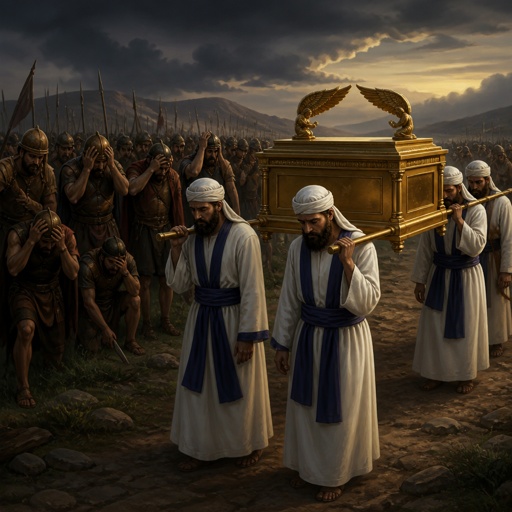
1 Samuel 4:2

2 Samuel 10:4

2 Samuel 10:4

1 Samuel 4:12

2 Samuel 2:11 - "And the time that David was king in Hebron over the house of Judah was seven years and six months."
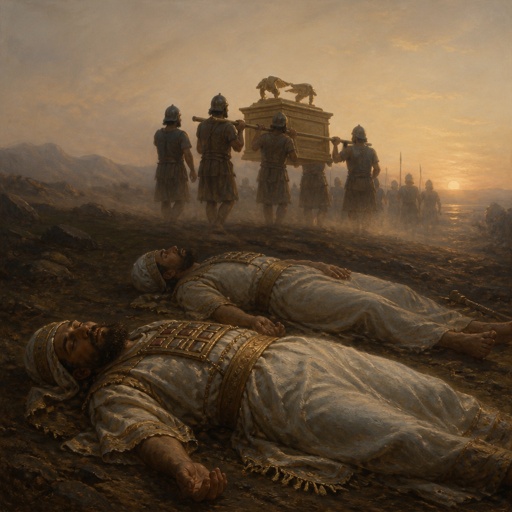
"And the ark of God was taken; and the two sons of Eli, Hophni and Phinehas, were slain." - 1 Samuel 4:11

1 Samuel 11:4 - "¶ Then came the messengers to Gibeah of Saul, and told the tidings in the ears of the people: and all the people lifted up their voices, and wept."

2 Samuel 4:3 - "And the Beerothites fled to Gittaim, and were sojourners there until this day.)"

2 Samuel 11:18 - "¶ Then Joab sent and told David all the things concerning the war;"

2 Samuel 21:11 - "And it was told David what Rizpah the daughter of Aiah, the concubine of Saul, had done."

2 Samuel 11:5 - "And the woman conceived, and sent and told David, and said, I am with child."

1 Samuel 2:4 - "The bows of the mighty men are broken, and they that stumbled are girded with strength."

2 Samuel 17:4 - "And the saying pleased Absalom well, and all the elders of Israel."

2 Samuel 3:11 - "And he could not answer Abner a word again, because he feared him."

2 Samuel 11:14 - "¶ And it came to pass in the morning, that David wrote a letter to Joab, and sent it by the hand of Uriah."

2 Samuel 3:4 - "And the fourth, Adonijah the son of Haggith; and the fifth, Shephatiah the son of Abital;"

2 Samuel 22:11 - "And he rode upon a cherub, and did fly: and he was seen upon the wings of the wind."

2 Samuel 11:22 - "¶ So the messenger went, and came and shewed David all that Joab had sent him for."

2 Samuel 7:4 - "¶ And it came to pass that night, that the word of the LORD came unto Nathan, saying,"

2 Samuel 11:6 - "¶ And David sent to Joab, saying, Send me Uriah the Hittite. And Joab sent Uriah to David."

2 Samuel 11:26 - "¶ And when the wife of Uriah heard that Uriah her husband was dead, she mourned for her husband."

2 Samuel 1:11 - "Then David took hold on his clothes, and rent them; and likewise all the men that were with him:"

1 Samuel 2:11 - "And Elkanah went to Ramah to his house. And the child did minister unto the LORD before Eli the priest."