Chosen and Redeemed: The Unique Identity of God’s People
"And what one nation in the earth is like thy people, even like Israel, whom God went to redeem for a people to himself, and to make him a name, and to do for you great things and terrible, for thy land, before thy people, which thou redeemedst to thee from Egypt, from the nations and their gods?" - 2 Samuel 7:23
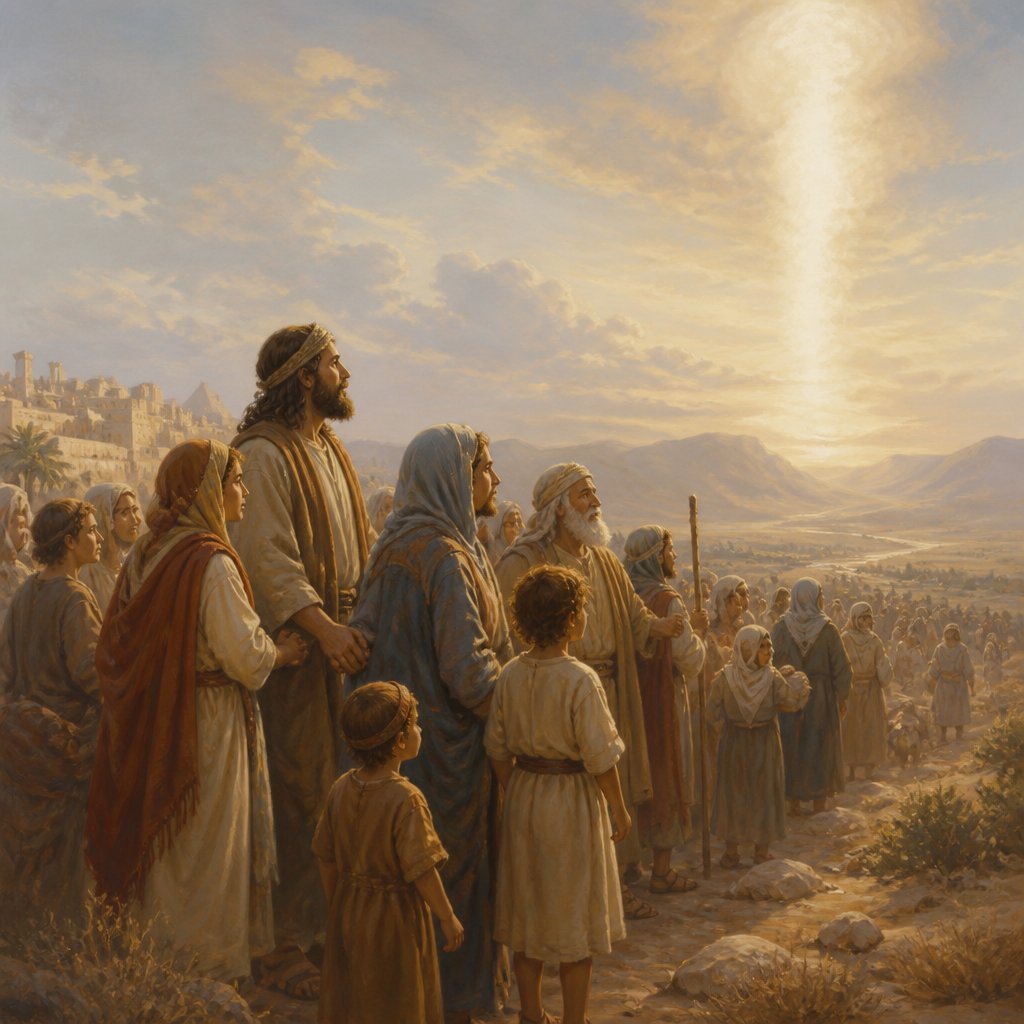
In the grand tapestry of human history, there exists a thread so remarkable that it warrants our utmost reflection and reverence. The verse from 2 Samuel 7:23 (KJV) encapsulates this uniqueness of God's people, Israel: "And what one nation in the earth is like thy people, even like Israel, whom God went to redeem for a people to himself, and to make him a name, and to do for you great things and terrible, for thy land, before thy people, which thou redeemedst to thee from Egypt, from the nations and their gods?"
### Understanding Our Unique Identity
This passage invites us to explore the incredible nature of God’s relationship with His people, emphasizing the uniqueness of Israel among the nations. In the historical context, Israel was not merely another ethnic group; they were a people chosen by God to have a special covenant relationship with Him. This identity was established not through their own merit or might, but through the divine initiative of God Himself who chose them, redeemed them, and set them apart from the other nations.
The text invites us to ask ourselves: What does it mean to be chosen by God? When God reached down to redeem Israel from the land of slavery in Egypt, He was doing more than merely liberating a people; He was establishing a hallmark of His mighty hand and unmatched grace. Redemption is not merely a theological word; it is the active, ongoing work of God in the lives of His people. He does great and terrible things—not to instill fear, but to reveal His power and love for those who belong to Him.
### The Greatness of God’s Works
In our own lives, we often find ourselves steeped in the mundane, questioning the significance of our existence and the divine works around us. However, the same God who called Israel out of Egypt is alive today, working in ways that are often unseen or unrecognized. The passage alludes to “great things” and “terrible” wonders done for His people in their land. These words resonate deeply, hinting at the miraculous as well as the awe-inspiring aspects of God’s character. He reaches down to us, not just to save us but to transform our lives into testimonies of His faithfulness.
As we study this scripture, let us draw courage from the truth that God’s mighty hand is still at work today. We may not be the Nation of Israel in the geographic or covenantal sense, but through the work of Christ, we have been grafted into God’s family. We are now part of a larger narrative of redemption witnessed in the New Testament as Paul writes in Romans 11:17-18 about gentiles being included into the vine of God’s promise. It prompts us to reckon with the identity of being redeemed individuals who experience God's grace profoundly and consistently.
### Our Response to God’s Greatness
With the understanding of our special standing before God comes a corresponding responsibility. As God has done great things for us—delivering us from the bondages of sin and the rulership of ‘foreign gods’ in our lives—how then should we respond? Our response should be one of gratitude, worship, and actual engagement with the divine calling upon our lives.
Deuteronomy 10:21 reminds us that we are to hold fast to the Lord, for He is our praise and He is our God who has done for us these great and terrible things. This lifestyle of worship requires us to live not for ourselves but as a reflection of God's mercy and grace that makes us distinct from the world—like Israel, uniquely His, called for a purpose.
### Conclusion
As we meditate on 2 Samuel 7:23, let us celebrate this chosen identity and remember the mighty acts of God—not only in the accounts of old but in our personal stories and the testimonies we share within our communities. Let’s surrender before the God who redeems, trusting Him to work through us as beacons of light and agents of change in a world needing to feel the touch of the divine.
Let us pray: Heavenly Father, thank You for choosing me, for redeeming me, and for making me part of Your unique people. Help me to live a life that reflects Your glory and to share the great things You have done with others. Amen.
Want to reflect more on 2 Samuel 7:23?
Continue your spiritual journey with Bible Chat — an AI-powered tool for exploring God's Word through conversation. Ask questions, discover connections, and deepen your understanding.
Get Our Apps


2 Samuel 7:23 Artwork
2 Samuel 7:23 - "And what one nation in the earth is like thy people, even like Israel, whom God went to redeem for a people to himself, and to make him a name, and to do for you great things and terrible, for thy land, before thy people, which thou redeemedst to thee from Egypt, from the nations and their gods?"
"And what one nation in the earth is like thy people, even like Israel, whom God went to redeem for a people to himself, and to make him a name, and to do for you great things and terrible, for thy land, before thy people, which thou redeemedst to thee from Egypt, from the nations and their gods?" - 2 Samuel 7:23

2 Samuel 23:7 - "But the man that shall touch them must be fenced with iron and the staff of a spear; and they shall be utterly burned with fire in the same place."

2 Samuel 23:38 - "Ira an Ithrite, Gareb an Ithrite,"

2 Samuel 23:28 - "Zalmon the Ahohite, Maharai the Netophathite,"

2 Samuel 23:35 - "Hezrai the Carmelite, Paarai the Arbite,"

2 Samuel 23:27 - "Abiezer the Anethothite, Mebunnai the Hushathite,"

2 Samuel 23:25 - "Shammah the Harodite, Elika the Harodite,"

2 Samuel 23:2 - "The Spirit of the LORD spake by me, and his word was in my tongue."

2 Samuel 7:1–29

2 Samuel 23:31 - "Abi-albon the Arbathite, Azmaveth the Barhumite,"

2 Samuel 23:39 - "Uriah the Hittite: thirty and seven in all."

2 Samuel 23:30 - "Benaiah the Pirathonite, Hiddai of the brooks of Gaash,"

2 samuel 23:8-21

2 Samuel 23:32 - "Eliahba the Shaalbonite, of the sons of Jashen, Jonathan,"

2 Samuel 23:33 - "Shammah the Hararite, Ahiam the son of Sharar the Hararite,"

2 Samuel 23:14 - "And David was then in an hold, and the garrison of the Philistines was then in Beth-lehem."

2 Samuel 23:26 - "Helez the Paltite, Ira the son of Ikkesh the Tekoite,"

2 Samuel 23:36 - "Igal the son of Nathan of Zobah, Bani the Gadite,"

2 Samuel 23:23 - "He was more honourable than the thirty, but he attained not to the first three. And David set him over his guard."

2 Samuel 14:23 - "So Joab arose and went to Geshur, and brought Absalom to Jerusalem."

2 Samuel 23:37 - "Zelek the Ammonite, Naharai the Beerothite, armourbearer to Joab the son of Zeruiah,"

2 Samuel 6:23 - "Therefore Michal the daughter of Saul had no child unto the day of her death."

2 Samuel 23:34 - "Eliphelet the son of Ahasbai, the son of the Maachathite, Eliam the son of Ahithophel the Gilonite,"
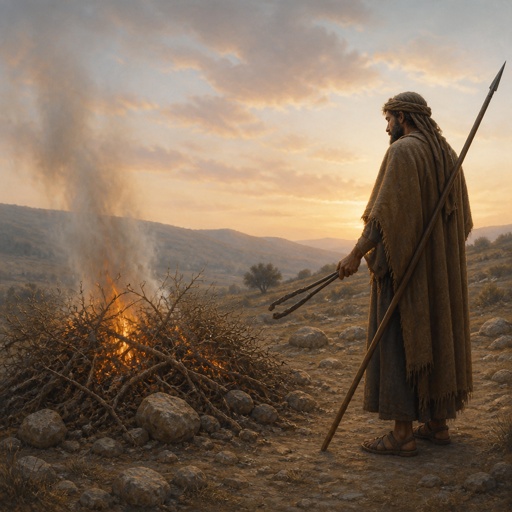
"But the man that shall touch them must be fenced with iron and the staff of a spear; and they shall be utterly burned with fire in the same place." - 2 Samuel 23:7

2 Samuel 23:24 - "Asahel the brother of Joab was one of the thirty; Elhanan the son of Dodo of Beth-lehem,"

2 samuel 9:7 fhdhdhdhhd

2 Samuel 23:29 - "Heleb the son of Baanah, a Netophathite, Ittai the son of Ribai out of Gibeah of the children of Benjamin,"

2 Samuel 23:12 - "But he stood in the midst of the ground, and defended it, and slew the Philistines: and the LORD wrought a great victory."

"Shammah the Harodite, Elika the Harodite," - 2 Samuel 23:25