Understanding Our Position Before God: The Humility of David
“And what can David say more unto thee? for thou, Lord GOD, knowest thy servant.” — 2 Samuel 7:20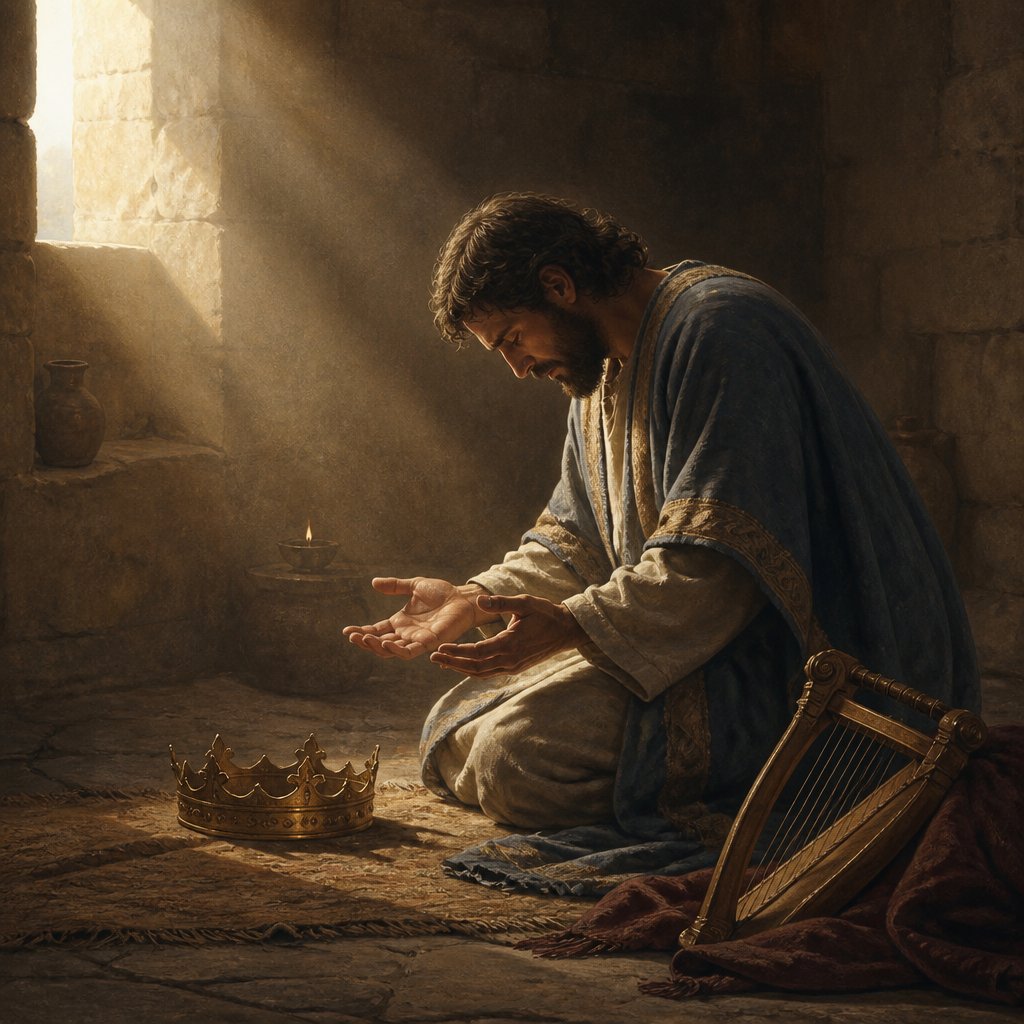
In the sacred pages of 2 Samuel 7:20, we find a profound moment of introspection and humility expressed by King David: "And what can David say more unto thee? for thou, Lord GOD, knowest thy servant.” This verse encapsulates a significant theme in our relationship with God — the recognition of our own limitations contrasted with His infinite knowledge and grace.
This chapter of 2 Samuel is crucial in understanding the Davidic covenant, wherein God promises David that his lineage will endure forever. David, who has been anointed king, a military leader, and a beloved figure, reflects deeply on God’s provision and promise. Picture the scene: David, after reflecting on God’s mighty acts and mercies throughout his life, is left in awe. He recognizes that his words are inadequate to fully express his gratitude and wonder before the Almighty.
The context of David’s proclamation is essential. Having ascended to power, David seeks to build God a house — a mighty temple, a dwelling place for the Ark of the Covenant. However, God, through the prophet Nathan, tells David that it is not he who will build a house for God, but rather God will establish a house for him, marking a dynasty that will last forever (2 Samuel 7:11). This revelation makes David confront the reality of his own position before God.
In this light, we can better understand the humility inherent in David’s question. When he asks, "What can David say more unto thee?" he isn’t merely being rhetorical; he genuinely grapples with how to respond to God’s extraordinary grace. Each of us has moments when we stand before God, burdened by our thoughts, and often find ourselves at a loss for words. In our prayer lives or in times of worship, we might similarly feel overwhelmed by God’s goodness, leading us to silence or unstructured praise. David's response models for us an attitude that acknowledges our human limitations and vulnerability before an omniscient God.
To recognize that "thou, Lord GOD, knowest thy servant" is to embrace a critical understanding of our relationship with God. It offers both comfort and accountability. On one hand, it is reassuring to know that God knows us — our struggles, our desires, our flaws. He sees beyond our facades into our hearts. We do not need to pretend or feign worthiness. God understands the intricacies of our lives and loves us unconditionally despite our imperfections. This invitation to honesty breeds genuine intimacy in our relationship with Him.
On the other hand, David’s statement carries a weight of accountability and humility. God’s pervasive knowledge of us — our thoughts, intentions, and actions — calls us to live in a manner worthy of the grace we have received. David’s acknowledgment teaches us that in every blessing, there is a responsibility. As we receive from God, we are challenged to respond with lives that reflect His character and glory.
In our worship, let us come before God with the awe that David exemplifies. It is okay to feel small in the presence of God’s greatness. It is not only appropriate but necessary for us to relinquish the need to have all the answers. Instead, let us rest in the assurance that our God knows us deeply, passionately, and completely. He has a purpose for us, and like David, we must trust in His divine plan.
Ultimately, as we meditate on 2 Samuel 7:20, let us ask ourselves how we can embody this humility and recognition of God’s greatness in our daily lives. Let this understanding propel us into deeper prayer, clearer worship, and more earnest service to one another, knowing that while we are but servants, we are beloved by the Creator of the universe.
Get our apps


Artwork for 2 Samuel 7:20

2 Samuel 7:20 - "And what can David say more unto thee? for thou, Lord GOD, knowest thy servant."
"And what can David say more unto thee? for thou, Lord GOD, knowest thy servant." - 2 Samuel 7:20
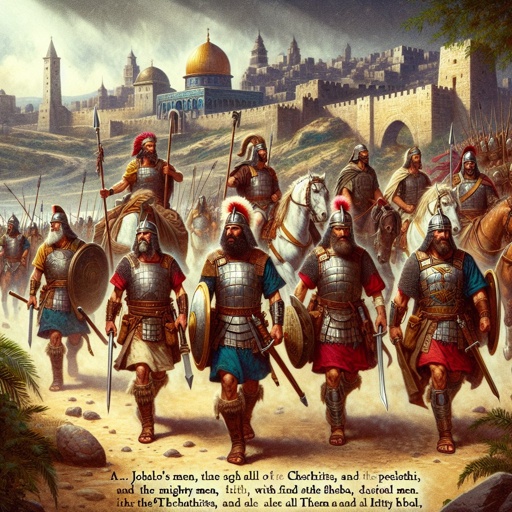
2 Samuel 20:7 - "And there went out after him Joab's men, and the Cherethites, and the Pelethites, and all the mighty men: and they went out of Jerusalem, to pursue after Sheba the son of Bichri."

2 Samuel 7:1–29

2 Samuel 22:17-20

2 Samuel 20:20 - "And Joab answered and said, Far be it, far be it from me, that I should swallow up or destroy."

2 Samuel 20:25 - "And Sheva was scribe: and Zadok and Abiathar were the priests:"

2 Samuel 20:24 - "And Adoram was over the tribute: and Jehoshaphat the son of Ahilud was recorder:"

2 Samuel 20:26 - "And Ira also the Jairite was a chief ruler about David."

2 Samuel 2:20 - "Then Abner looked behind him, and said, Art thou Asahel? And he answered, I am."

2 samuel 9:7 fhdhdhdhhd
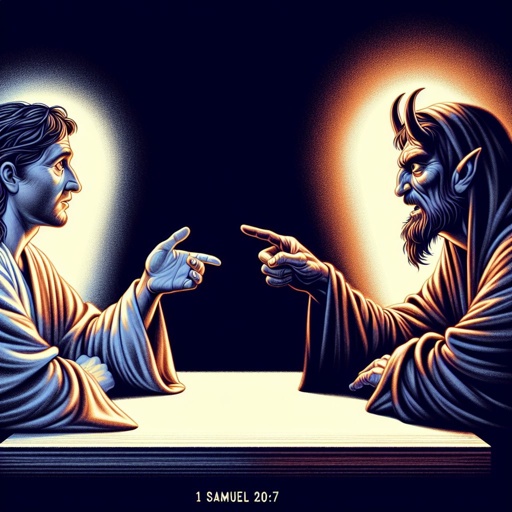
1 Samuel 20:7 - "If he say thus, It is well; thy servant shall have peace: but if he be very wroth, then be sure that evil is determined by him."

2 Samuel 16:20 - "¶ Then said Absalom to Ahithophel, Give counsel among you what we shall do."

2 Samuel 5:7 - "Nevertheless David took the strong hold of Zion: the same is the city of David."

2 Samuel 1:20 - "Tell it not in Gath, publish it not in the streets of Askelon; lest the daughters of the Philistines rejoice, lest the daughters of the uncircumcised triumph."

2 Samuel 20:4 - "¶ Then said the king to Amasa, Assemble me the men of Judah within three days, and be thou here present."

2 Samuel 20:23 - "¶ Now Joab was over all the host of Israel: and Benaiah the son of Jehoiada was over the Cherethites and over the Pelethites:"

2 Samuel 7:4 - "¶ And it came to pass that night, that the word of the LORD came unto Nathan, saying,"

2 Samuel 22:20 - "He brought me forth also into a large place: he delivered me, because he delighted in me."

2 Samuel 10:7 - "And when David heard of it, he sent Joab, and all the host of the mighty men."

1 Samuel 2:7 - "The LORD maketh poor, and maketh rich: he bringeth low, and lifteth up."

2 Samuel 8:7 - "And David took the shields of gold that were on the servants of Hadadezer, and brought them to Jerusalem."

2 Samuel 17:7 - "And Hushai said unto Absalom, The counsel that Ahithophel hath given is not good at this time."

2 Samuel 7:3 - "And Nathan said to the king, Go, do all that is in thine heart; for the LORD is with thee."

2 Samuel 7:17 - "According to all these words, and according to all this vision, so did Nathan speak unto David."

2 Samuel 20:13 - "When he was removed out of the highway, all the people went on after Joab, to pursue after Sheba the son of Bichri."

2 Samuel 3:20 - "So Abner came to David to Hebron, and twenty men with him. And David made Abner and the men that were with him a feast."

2 Samuel 7:2 - "That the king said unto Nathan the prophet, See now, I dwell in an house of cedar, but the ark of God dwelleth within curtains."

"And Sheva was scribe: and Zadok and Abiathar were the priests:" - 2 Samuel 20:25

2 Samuel 20:2 - "So every man of Israel went up from after David, and followed Sheba the son of Bichri: but the men of Judah clave unto their king, from Jordan even to Jerusalem."