Finding Mercy in Ministry: A Reflection on 2 Timothy 1:18
"The Lord grant unto him that he may find mercy of the Lord in that day: and in how many things he ministered unto me at Ephesus, thou knowest very well." - 2 Timothy 1:18
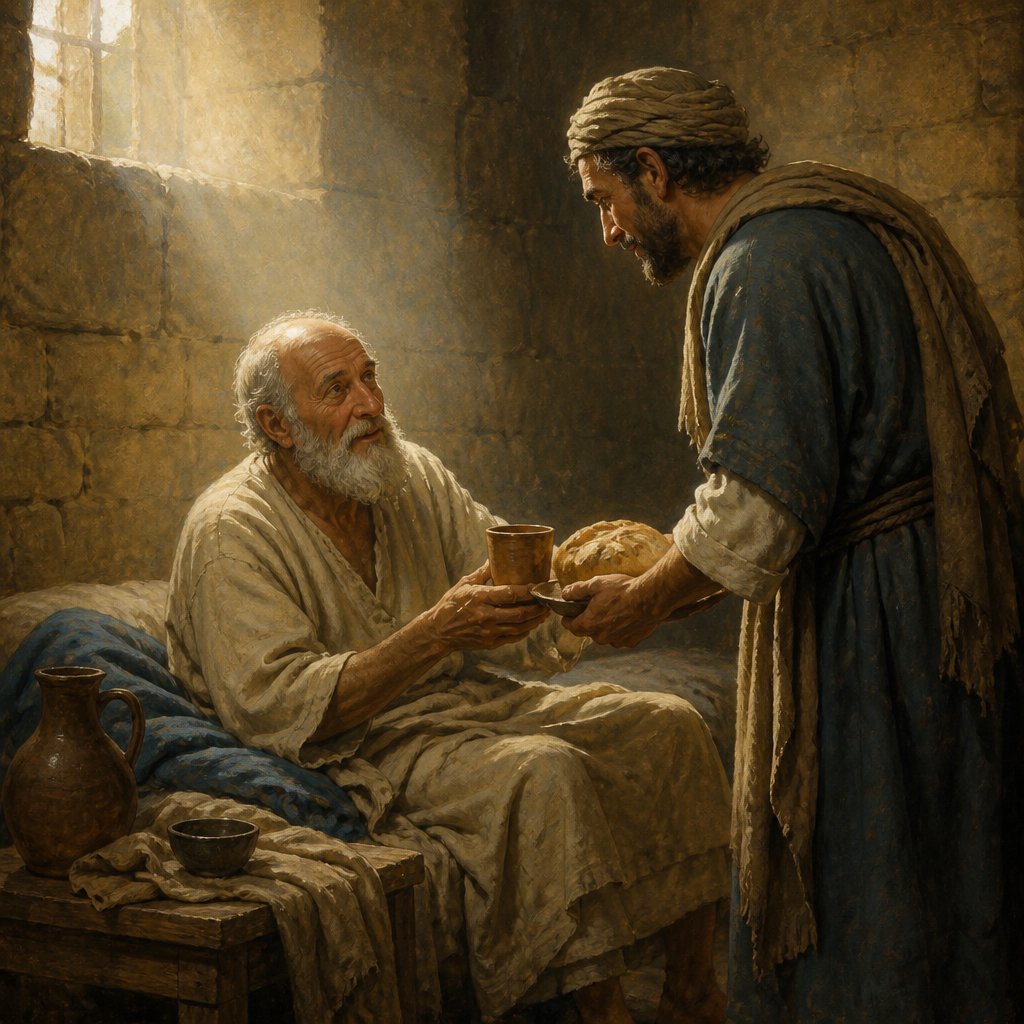
In 2 Timothy 1:18, we encounter a poignant prayer from the Apostle Paul, which encapsulates not only his heart for fellow believers but also an essential aspect of our Christian walk: mercy. The verse states, "The Lord grant unto him that he may find mercy of the Lord in that day: and in how many things he ministered unto me at Ephesus, thou knowest very well." This prayer for mercy emphasizes both the interconnectedness of Christian life and the profound need we have for God’s mercy, not just for ourselves, but also for those who labor alongside us in ministry.
To understand the weight of Paul's words, we have to consider the context of his relationship with Timothy and the broader community of believers at Ephesus. Paul, at this point in his life, is facing the reality of impending imprisonment, possibly even martyrdom. His letters to Timothy are not mere writings; they are heartfelt appeals to a young pastor who he considers not just a mentee but a son in the faith. In this verse, Paul refers to Onesiphorus, who had been particularly dear to him during his ministry in Ephesus. In Paul’s acknowledgment of Onesiphorus’ service, we see a model of what it looks like to support one another in the body of Christ.
When Paul prays that Onesiphorus find mercy, he touches on several fundamental truths about the Christian experience. Firstly, mercy is at the heart of our faith. We stand before God only because of His unmerited favor and forgiveness through Christ Jesus. Ephesians 2:4-5 reminds us that, "But God, who is rich in mercy, for his great love wherewith he loved us, even when we were dead in sins, hath quickened us together with Christ, (by grace ye are saved;)" As we reflect on our own shortcomings and the grace we have received, we have an obligation to extend that same grace and mercy to others, particularly those who serve alongside us in difficult times.
Secondly, the reference to “that day” in this verse alludes to the coming day of judgment when every one of us will stand before Christ to give an account for our lives, including our service to others. Paul understood the importance of every life touched by ministry. When we acknowledge the labor of fellow believers, as Paul does here, we are called to reflect on our own service and our responses to those who serve. Are we prepared to pray for mercy on behalf of others? Are we lifting them up, recognizing their hardships, and encouraging them in their faith journey?
Furthermore, this passage invites us to consider a pivotal aspect of mercy: the notion of remembrance and honor. By recalling the good deeds of Onesiphorus, Paul reinforces the idea that we should not neglect to recognize and appreciate the efforts of others in our spiritual family. The act of remembering their contributions helps build a culture of gratitude in our communities.
In our fast-paced world, where individualism often reigns, this call to fellowship through prayer and mutual acknowledgment becomes a radical act of love. We are reminded of the significance of interpersonal relationships within the church and how essential it is to pray for one another. As Paul prays for Onesiphorus, let us emulate that example by praying for our brothers and sisters in Christ. Let us ask the Lord to grant them mercy, to strengthen them in their service, and to remind us to honor their contributions.
In conclusion, 2 Timothy 1:18 serves as a profound reminder of the power of mercy, the importance of community, and the necessity of honoring those who labor in love for the gospel. Let us embrace this message by fostering an attitude of thanksgiving, compassion, and prayerfulness—both for ourselves and for those who stand with us in the work of the Lord. May we always have the heart to pray for mercy in our endeavors and those of our fellow believers, for we all stand in need of it.
Want to reflect more on 2 Timothy 1:18?
Continue your spiritual journey with Bible Chat — an AI-powered tool for exploring God's Word through conversation. Ask questions, discover connections, and deepen your understanding.
Get Our Apps


2 Timothy 1:18 Artwork

2 Timothy 1:18 - "The Lord grant unto him that he may find mercy of the Lord in that day: and in how many things he ministered unto me at Ephesus, thou knowest very well."

"The Lord grant unto him that he may find mercy of the Lord in that day: and in how many things he ministered unto me at Ephesus, thou knowest very well." - 2 Timothy 1:18

2 Timothy 1:8 - "Be not thou therefore ashamed of the testimony of our Lord, nor of me his prisoner: but be thou partaker of the afflictions of the gospel according to the power of God;"

1 Timothy 1:18 - "This charge I commit unto thee, son Timothy, according to the prophecies which went before on thee, that thou by them mightest war a good warfare;"

2 Timothy 1:7

2 Timothy 1:7

2 Timothy 1:7

2 Timothy 1:7

2 Timothy 1:7

2 Timothy 1:7

2 Timothy 1:7

2 Timothy 1:7

2 Timothy 1:7

2 Timothy 1:7

2 Timothy 1:7

2 Timothy 1:7

2 Timothy 1:7

2 Timothy 1:7

2 Timothy 1:7

2 Timothy 1:7

2 Timothy 1:7

2 Timothy 1:7

2 Timothy 1:7

2 Timothy 1:7

2 Timothy 1:7

2 Timothy 1:7

2 Timothy 1:7

2 Timothy 1:7

2 Timothy 1:7

2 Timothy 1:7