Faithful Even When We Falter
“If we believe not, yet he abideth faithful: he can not deny himself.” — 2 Timothy 2:13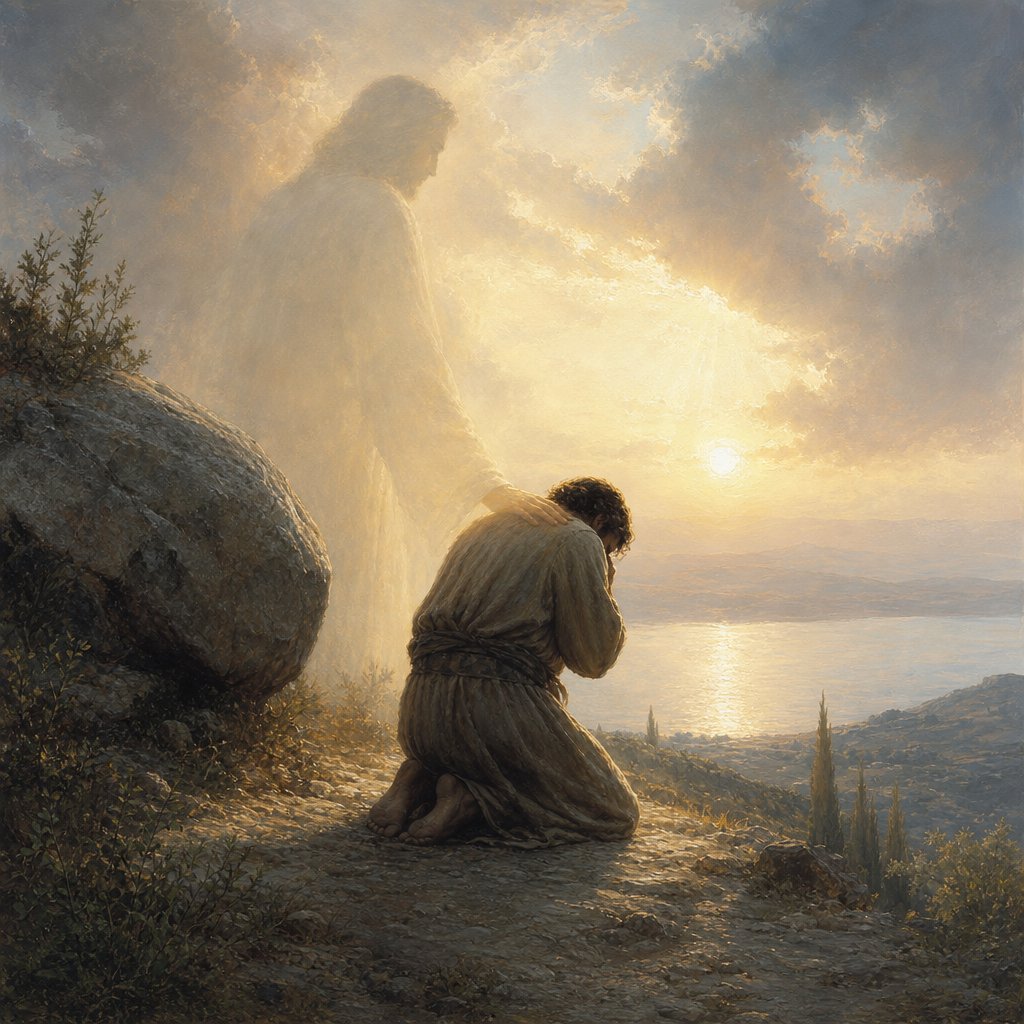
The verse from 2 Timothy 2:13 states, "If we believe not, yet he abideth faithful: he cannot deny himself." This profound scripture encapsulates the essence of God’s unchanging character and His unwavering faithfulness towards His creation.
In this passage, the Apostle Paul emphasizes a crucial truth about the nature of God: His faithfulness is not contingent upon our faithfulness. How comforting it is to know that even when our belief wavers or when we wrestle with doubts, God remains steadfast. This is particularly poignant in moments of struggle, confusion, or spiritual dry seasons when our faith may seem weak.
The backdrop of this letter is significant. Paul, nearing the end of his life, writes to his young protégé Timothy, encouraging him to stand firm in the faith despite the challenges he might encounter. The early church was facing persecution, false teachings, and a plethora of trials that tested their resolve. In these moments, Paul reminds Timothy—and us—that our limitations do not diminish the effectiveness or reliability of God's promises.
The phrase "if we believe not" acknowledges human frailty. We are creatures riddled with doubts and fears, often questioning our faith and the presence of God during trials. The beauty of this scripture lies in the declaration that even in our moments of disbelief, God's character remains unchanged. He is still faithful.
God’s faithfulness can be observed throughout the entirety of scripture. In the Old Testament, we see His dedication to Israel despite their repeated infidelities. Time and time again, through cycles of sin, judgment, repentance, and restoration, God’s unwavering love and commitment to His covenant people shines through. They often faced consequences for their actions, but God’s promises to them were never retracted.
Similarly, in our lives today, we may encounter seasons where our faith feels more like a flicker than a flame. Perhaps there are circumstances that challenge our perception of God's goodness; perhaps a loss, a broken relationship, or unmet expectations lead us to question His presence. In those moments, we can rest in the assurance that God cannot deny Himself. His nature is that of a faithful and loving God who desires relationship with us, irrespective of our current state of belief.
The text also beautifully illustrates an important theological tenet: God's love is not performance-based. We do not earn God's faithfulness through our belief or good deeds. Instead, God’s reliability stems from His nature and promises. Hebrews 10:23 encourages us, saying, "Let us hold fast the profession of our faith without wavering; (for he is faithful that promised)." Here we see that our confidence does not rest solely in ourselves, but in the character of the One we serve.
Moreover, the phrase "he cannot deny himself" speaks volumes about the immutability of God. God is not like man, whose words can be fickle. He is a covenant-keeping God whose promises are sealed by His inherent righteousness and truth. Therefore, when we feel unworthy, lost, or disconnected from God, we must not project that onto Him. He remains unchanged, with arms extended wide, welcoming us back into communion with Him.
1 Corinthians 1:9 reassures us that "God is faithful, by whom ye were called unto the fellowship of his Son Jesus Christ our Lord." This fellowship is not contingent upon our unwavering belief but is rooted in God’s infinite grace and mercy.
In conclusion, let us embrace the truth of 2 Timothy 2:13 in our hearts. When our faith falters, let us remember that God remains faithful. He is our anchor in the storms of life, our refuge in times of trouble, and our relentless pursuer despite our detours. May we draw near to Him, trusting in His character that never fails, remembering that we are always welcomed back into His arms, regardless of where we find ourselves in our faith journey.
Get our apps


Artwork for 2 Timothy 2:13

2 Timothy 2:13 - "If we believe not, yet he abideth faithful: he cannot deny himself."

"If we believe not, yet he abideth faithful: he cannot deny himself." - 2 Timothy 2:13
"If we believe not, yet he abideth faithful: he cannot deny himself." - 2 Timothy 2:13

1 Timothy 2:13 - "For Adam was first formed, then Eve."

2 Timothy 3:13 - "But evil men and seducers shall wax worse and worse, deceiving, and being deceived."

"For Adam was first formed, then Eve." - 1 Timothy 2:13

2 Timothy 4:13 - "The cloke that I left at Troas with Carpus, when thou comest, bring with thee, and the books, but especially the parchments."

2 Timothy 1:13 - "Hold fast the form of sound words, which thou hast heard of me, in faith and love which is in Christ Jesus."

2 Timothy 2:22

2 Timothy 2:15

2 Timothy 1:2 - "To Timothy, my dearly beloved son: Grace, mercy, and peace, from God the Father and Christ Jesus our Lord."

2 Timothy 2:6 - "The husbandman that laboureth must be first partaker of the fruits."

2 Timothy 2:17 - "And their word will eat as doth a canker: of whom is Hymenaeus and Philetus;"

2 Timothy 2:1 - "Thou therefore, my son, be strong in the grace that is in Christ Jesus."

2 Timothy 2:3 - "Thou therefore endure hardness, as a good soldier of Jesus Christ."

2 Timothy 2:16 - "But shun profane and vain babblings: for they will increase unto more ungodliness."

2 Timothy 2:23 - "But foolish and unlearned questions avoid, knowing that they do gender strifes."

"But evil men and seducers shall wax worse and worse, deceiving, and being deceived." - 2 Timothy 3:13

2 Timothy 2:11 - "It is a faithful saying: For if we be dead with him, we shall also live with him:"

2 Timothy 2:7 - "Consider what I say; and the Lord give thee understanding in all things."

2 Timothy 1:7

2 Timothy 1:7

1 Timothy 2:8

2 Timothy 1:7

2 Timothy 1:7

2 Timothy 1:7

2 Timothy 1:7

2 Timothy 1:7

2 Timothy 4 7

2 Timothy 1:7