The Silence of Awe: Recognizing God's Wonders
“Then all the multitude kept silence, and gave audience to Barnabas and Paul, declaring what miracles and wonders God had wrought among the Gentiles by them.” — Acts 15:12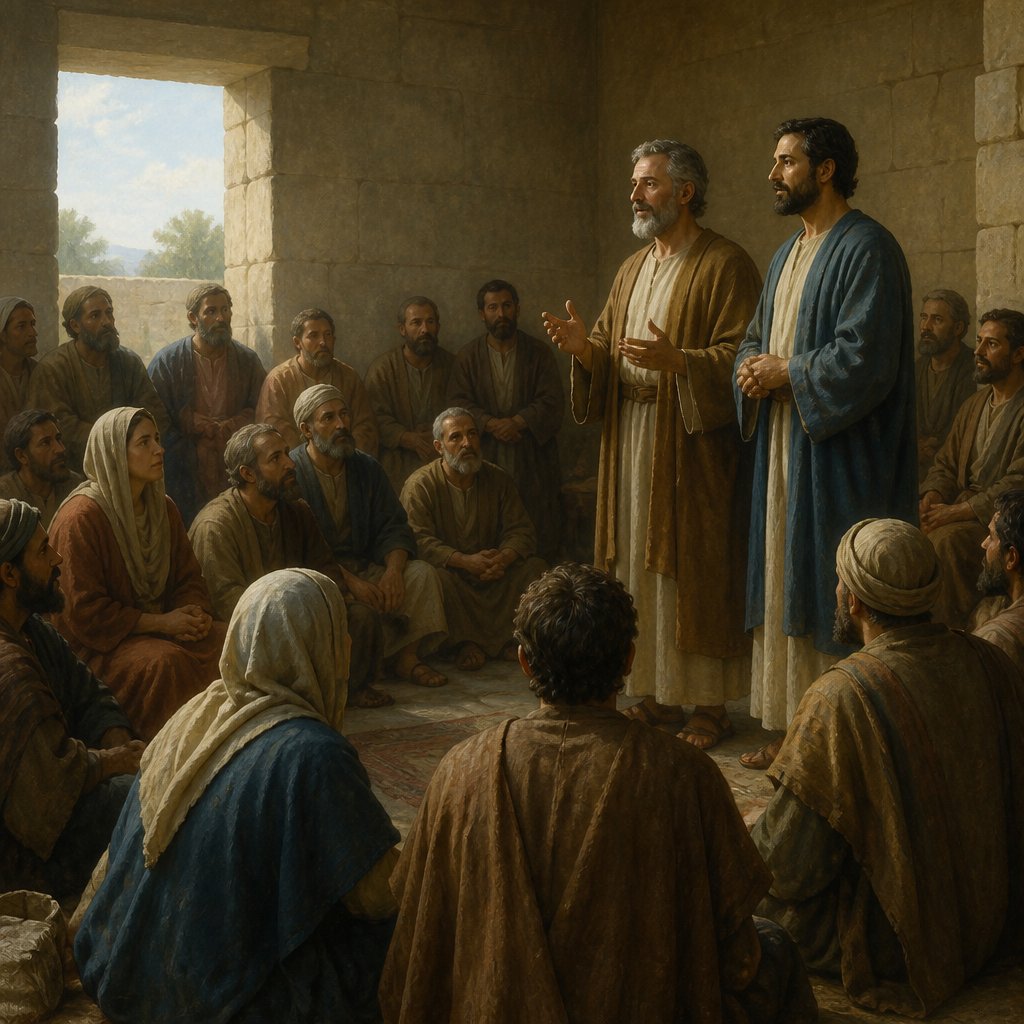
In the book of Acts, we witness a significant moment in the early Church, a pivotal gathering where the followers of Christ grappled with the implications of grace and the inclusion of Gentiles into the faith. Acts 15:12 presents a powerful scene: "Then all the multitude kept silence, and gave audience to Barnabas and Paul, declaring what miracles and wonders God had wrought among the Gentiles by them." This moment is rich with lessons that transcend time, urging us to consider the impact of God's work in our lives and the reverence it inspires.
At first glance, the silence described in this verse might seem merely a pause in conversation. However, this silence is profound. It reflects a collective moment of awe and attentiveness. The multitude of believers, many of whom were Jews who had grappled with the complexities of inclusion, silenced their questions and uncertainties to listen intently to Barnabas and Paul. This act of ironing out differences through a hush signifies humility, respect, and openness to divine revelation. In our lives, how often do we rush to voice our opinions or concerns, drowning out the possibility of hearing God’s voice?
The testimony of Barnabas and Paul is vital here. They did not merely recount facts; they declared the miracles and wonders wrought by God among the Gentiles. Miracles and wonders are not simply spectacles; they are manifestations of God’s power and love. Their recounting served as a reminder that God’s transformative work knows no ethnic or cultural boundaries. For those present, it was essential to acknowledge that God was moving among the Gentiles—drawing them into a relationship with Him and granting them the same grace bestowed upon the Jews.
The silence and listening state of the multitude invite reflection on the importance of testimony in our faith journeys. In our modern environment, where voices clamor for our attention, we need to create spaces for testimony—the testimonies of those around us and, most importantly, the testimonies of God's workings in our own lives. When we listen, we step into a posture of learning and growth; we allow ourselves to be shaped and moved by the stories of God’s grace.
This sacred moment also compels us to consider the nature of the miracles themselves. The miracles described in Acts were acts of kindness and grace. They were healings, provisions, salvations—indicating God's active presence amidst humanity. When Paul and Barnabas shared these wonders, it emphasized that these acts were not merely magic tricks but signs pointing to a gracious God inviting everyone into His fold. Miracles draw attention to God’s kingdom, urging us to redefine the boundaries we place on the spread of the Gospel.
Furthermore, let us examine the implications of declaring God’s works today. In a world often clouded by disbelief and skepticism, how do we speak of God’s wonder? Can we point to moments in our lives or the lives of others that showcase miraculous interventions, life-changing encounters, or genuine transformations? Our testimonies can serve as beacons of hope, demonstrating that God still moves in miraculous ways today, just as He did in the days of Paul and Barnabas.
Acts 15:12 challenges us to marvel in the presence of God. In our pursuit of understanding and responding to His call, let us practice being quiet enough to hear the narratives of grace unfolding around us. Let our hearts be receptive to the miraculous ways God is working in our midst and share those stories boldly to inspire and uplift the body of Christ.
As we remember the silence that was filled with wonder in Acts 15, may we endeavor to create spaces of awe in our communities, encouraging one another with stories that declare what God has done. In doing so, we join in the eternal chorus of believers proclaiming the miracles of our loving God.
Get our apps


Artwork for Acts 15:12
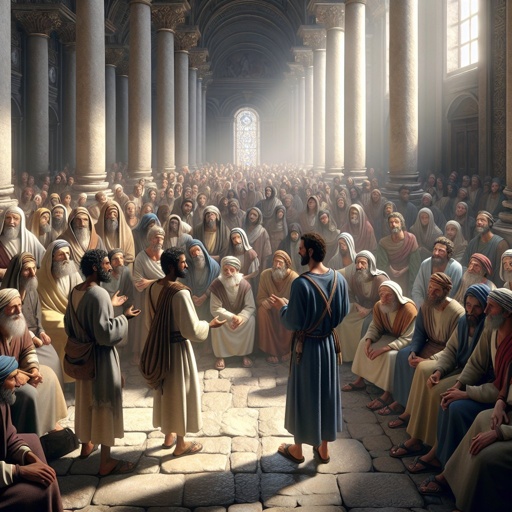
Acts 15:12 - "¶ Then all the multitude kept silence, and gave audience to Barnabas and Paul, declaring what miracles and wonders God had wrought among the Gentiles by them."
"¶ Then all the multitude kept silence, and gave audience to Barnabas and Paul, declaring what miracles and wonders God had wrought among the Gentiles by them." - Acts 15:12

Acts 12:15 - "And they said unto her, Thou art mad. But she constantly affirmed that it was even so. Then said they, It is his angel."

2 Chronicles 12:15 - "Now the acts of Rehoboam, first and last, are they not written in the book of Shemaiah the prophet, and of Iddo the seer concerning genealogies? And there were wars between Rehoboam and Jeroboam continually."

Acts 15:15 - "And to this agree the words of the prophets; as it is written,"

acts 15

Acts 17:15
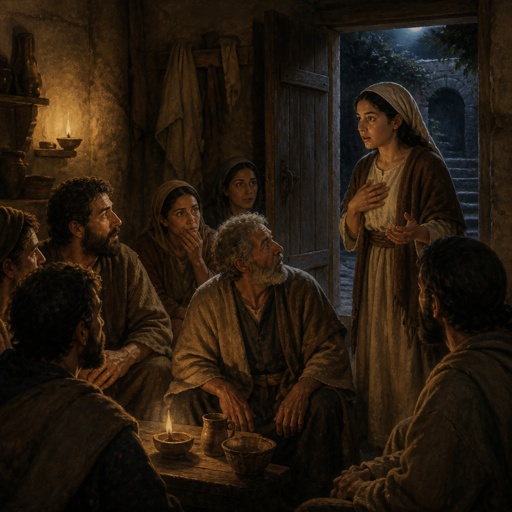
"And they said unto her, Thou art mad. But she constantly affirmed that it was even so. Then said they, It is his angel." - Acts 12:15

"And to this agree the words of the prophets; as it is written," - Acts 15:15

Acts 28:12

Acts 18:12

Acts 18:12

Acts 15:34 - "Notwithstanding it pleased Silas to abide there still."

Acts 4:8-12

acts 20:7-12

put on a scroll acts 15:29

Acts 12:24 - "¶ But the word of God grew and multiplied."

2 Kings 15:15 - "And the rest of the acts of Shallum, and his conspiracy which he made, behold, they are written in the book of the chronicles of the kings of Israel."

Acts 15:31 - "Which when they had read, they rejoiced for the consolation."

Acts 15:6 - "¶ And the apostles and elders came together for to consider of this matter."

Acts 2:15 - "For these are not drunken, as ye suppose, seeing it is but the third hour of the day."

Acts 15:41 - "And he went through Syria and Cilicia, confirming the churches."

Acts 12:2 - "And he killed James the brother of John with the sword."

Acts 28:12 - "And landing at Syracuse, we tarried there three days."

Acts 15:9 - "And put no difference between us and them, purifying their hearts by faith."

Acts 15:37 - "And Barnabas determined to take with them John, whose surname was Mark."

Acts 12:22 - "And the people gave a shout, saying, It is the voice of a god, and not of a man."

Acts 20:12 - "And they brought the young man alive, and were not a little comforted."

Acts 7:15 - "So Jacob went down into Egypt, and died, he, and our fathers,"

Acts 11:15 - "And as I began to speak, the Holy Ghost fell on them, as on us at the beginning."