Grace Beyond Borders: God’s Open Invitation
"Wherefore my sentence is, that we trouble not them, which from among the Gentiles are turned to God:" - Acts 15:19
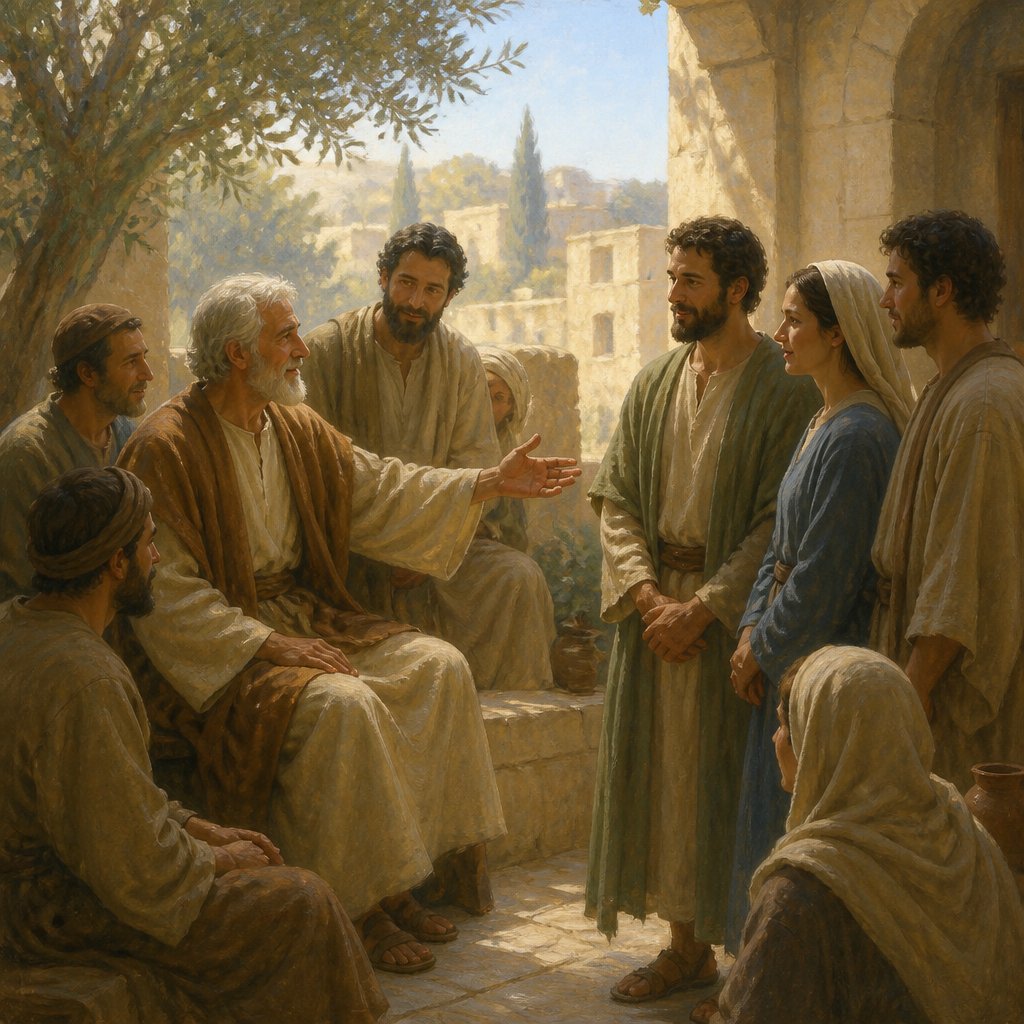
In Acts 15:19, the Apostle James, representing the leaders of the early Church, declares, "Wherefore my sentence is, that we trouble not them, which from among the Gentiles are turned to God." This profound statement marks a significant moment in Church history, one that reflects the transforming work of Christ and the boundless grace offered to all humanity, regardless of their origin.
To appreciate the full impact of this verse, we must consider the context. The early Church faced a pivotal challenge as Gentiles began to embrace the faith, prompting questions and debates concerning the need for them to observe Jewish laws. The Jerusalem Council convened to resolve these tensions, examining the nature of salvation and the inclusiveness of God’s grace. James’s decision marked an essential turning point, emphasizing that turning to God is a matter of faith, rather than adherence to the law alone.
The phrase “trouble not them” admonishes the faithful to refrain from imposing burdens that were never meant to be theirs. In essence, James was urging believers to avoid adding restrictions that could stifle the spiritual growth of new converts. As we reflect on this, it is crucial to recognize how often the Church has been confronted with the temptation to impose unnecessary barriers—rules, traditions, and expectations that could hinder people from coming to Christ.
The reality is that grace fundamentally transforms lives. Paul articulates this beautifully in Ephesians 2:8-9, where he states that salvation is a gift from God, not of works, lest any man should boast. The early Church had to understand that Jesus’s sacrificial act on the cross was sufficient for the redemption of all, including those who had been considered outsiders. This grace is inherently comprehensive, dismantling the barriers that separate people from one another and from God.
As believers, we must deeply consider how this applies to our lives and our communities today. Are there practices or expectations within our churches that might trouble those seeking to know God? Are we making the journey of faith welcoming to all, or are we, in some way, unintentionally erecting walls that isolate? It’s crucial for us to remember that everyone’s journey is different. Some may come from backgrounds steeped in darkness, while others may come from places of oppression or searching. Our role is to extend the same grace that was extended to us, creating a space where all can encounter God's love and truth.
Another striking aspect of Acts 15:19 is its affirmation that God’s invitation is inclusive. It compels us as followers of Christ to reflect the heart of our Savior, who said, "Come unto me, all ye that labour and are heavy laden, and I will give you rest" (Matthew 11:28). There is a divine urgency embedded in this verse—a call to be proactive in sharing the gospel without the weight of legalism.
This inclusivity reminds us of our identity as the body of Christ. How can we actively support one another? How can we express kindness to those who might seem different? Each individual, regardless of their background, carries the imprint of the Creator, and we, as His representatives, are called to honor that by inviting, not alienating.
Ultimately, Acts 15:19 underscores the necessity of a posture of grace—one that welcomes rather than repels, that lifts rather than burdens, that engages rather than isolates. As we engage in outreach and relationships within our communities, let us strive to embody this grace-filled approach, ensuring that we mirror God's love and create pathways for others to turn to Him wholeheartedly. Let us be the kind of church that troubles not those who have turned to God but instead rejoices in their decision, celebrating the beauty of God’s grace that knows no bounds.
Want to reflect more on Acts 15:19?
Continue your spiritual journey with Bible Chat — an AI-powered tool for exploring God's Word through conversation. Ask questions, discover connections, and deepen your understanding.
Get Our Apps


Acts 15:19 Artwork

Acts 15:19 - "Wherefore my sentence is, that we trouble not them, which from among the Gentiles are turned to God:"
"Wherefore my sentence is, that we trouble not them, which from among the Gentiles are turned to God:" - Acts 15:19

Acts 19:15 - "And the evil spirit answered and said, Jesus I know, and Paul I know; but who are ye?"
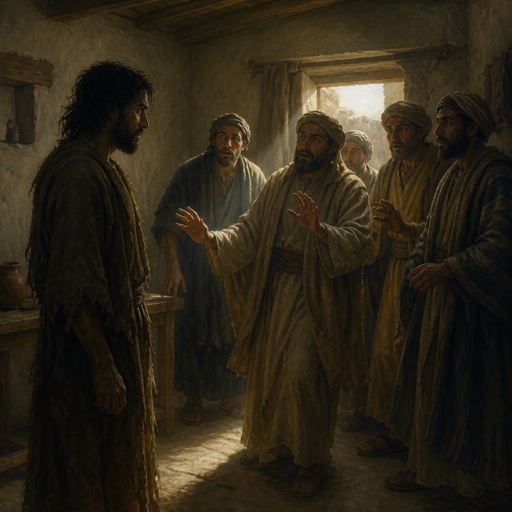
"And the evil spirit answered and said, Jesus I know, and Paul I know; but who are ye?" - Acts 19:15

Acts 15:15 - "And to this agree the words of the prophets; as it is written,"

acts 15

Acts 19: 11

Acts 19:11

Acts 17:15

"And to this agree the words of the prophets; as it is written," - Acts 15:15

Acts 19:7 - "And all the men were about twelve."

Acts 19:11 - "And God wrought special miracles by the hands of Paul:"

Acts 19:20 - "So mightily grew the word of God and prevailed."

Acts 19:18 - "And many that believed came, and confessed, and shewed their deeds."

Acts 15:34 - "Notwithstanding it pleased Silas to abide there still."

Acts 19:23 - "And the same time there arose no small stir about that way."

Acts 19:5 - "When they heard this, they were baptized in the name of the Lord Jesus."

Genesis 15:19

put on a scroll acts 15:29

2 Kings 15:15 - "And the rest of the acts of Shallum, and his conspiracy which he made, behold, they are written in the book of the chronicles of the kings of Israel."

Genesis 19-15

Depict the events of Acts 19:14-17

Acts 15:31 - "Which when they had read, they rejoiced for the consolation."

Acts 15:6 - "¶ And the apostles and elders came together for to consider of this matter."

Acts 19:41 - "And when he had thus spoken, he dismissed the assembly."

Acts 2:15 - "For these are not drunken, as ye suppose, seeing it is but the third hour of the day."

Acts 15:41 - "And he went through Syria and Cilicia, confirming the churches."

Acts 26:19 - "Whereupon, O king Agrippa, I was not disobedient unto the heavenly vision:"

Genesis 15:19 - "The Kenites, and the Kenizzites, and the Kadmonites,"

Acts 27:19 - "And the third day we cast out with our own hands the tackling of the ship."