The Journey of Obedience: Delivering the Decrees of Faith
"And as they went through the cities, they delivered them the decrees for to keep, that were ordained of the apostles and elders which were at Jerusalem." - Acts 16:4
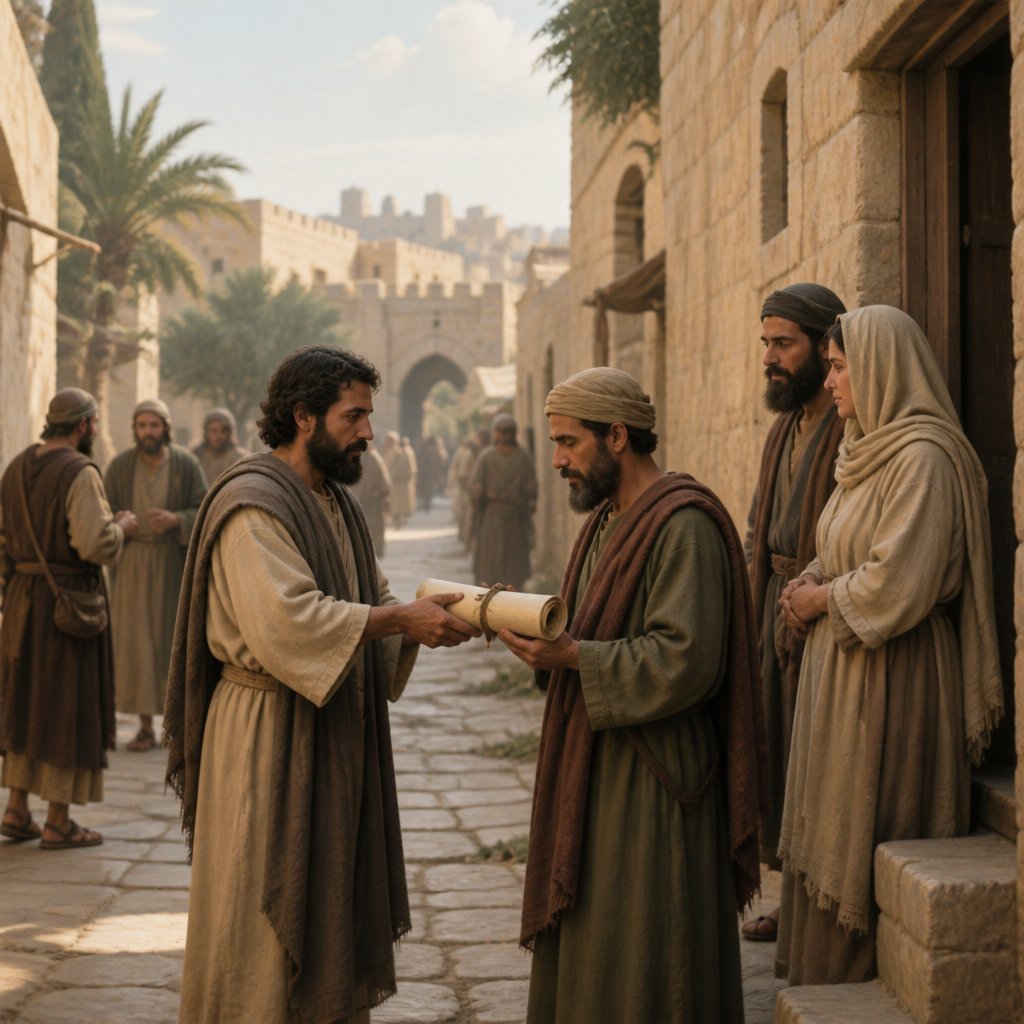
In Acts 16:4, we witness a pivotal moment in the early Church’s expansion. The verse declares, "And as they went through the cities, they delivered them the decrees for to keep, that were ordained of the apostles and elders which were at Jerusalem." This simple yet profound statement encapsulates the diligence, faith, and responsibility inherent in the life of a follower of Christ. It invites us to reflect on the implications of delivering God’s Word and the decrees set forth by His chosen leaders.
To fully appreciate this verse, we must consider the context in which Paul and Silas find themselves. The early Church was navigating the complexities of integrating Gentiles into a faith that had its roots within Jewish tradition. The Jerusalem Council had convened, and through discernment and the guidance of the Holy Spirit, they set forth decrees that would guide the new believers in their faith journey. These decrees, given to keep the unity of the Church and to provide clarity on essential matters of faith, were meant for the spiritual growth and health of the new congregations blossoming throughout the regions.
Herein lies a key element of our faith: the collaborative and communal nature of the Church. Paul and Silas did not act alone; they were sent forth with authority and clarity from the apostles and elders in Jerusalem. The verse reminds us that our faith is not a solitary endeavor. We are called to be a part of a larger body, accountable to one another, and united in our mission to share the gospel. It prompts us to ask ourselves: Are we honoring the teachings and guidance of our church leaders? Are we remaining connected to the body of believers that God has placed us in?
Moreover, the act of "delivering the decrees" speaks to the importance of obedience and faithfulness. Paul and Silas embarked on their journey with a specific purpose—fulfilling the command to spread the guidance they received from the apostles. Their mission was clear; they were not simply wandering through cities for personal gain or exploration. Rather, they were conduits of God’s message, entrusted with the weighty responsibility of sharing foundational truths.
For us, this raises another critical reflection. What decrees or teachings are we meant to deliver? Each of us, as believers, has been impacted by the teachings of Jesus Christ and the doctrines upheld by the Church. Consequently, we are called to share those with others—whether through evangelism, mentorship, or simply fostering deeper conversations within our communities. Every encounter we have with others presents an opportunity to share the goodness of God and the truths that have transformed our lives.
As Paul and Silas traveled, they encountered various people, cultures, and challenges. Yet, their unwavering commitment to the decrees reflects the heart of a true disciple. They prioritized the message of God over their circumstances, reminding us that in our own lives, the call to deliver God’s message may lead us through uncomfortable or unfamiliar territories. In these moments, we can draw strength from the knowledge that God equips us for every task we are given, just as He equipped Paul and Silas for their ministry.
In contemporary times, the importance of discernment and adherence to the teachings of Scripture cannot be overstated. We live in a world filled with conflicting ideologies and truths that often diverge from the heart of God. Thus, we are reminded to return to the original decrees set forth in Scripture so that we might share the richness of this gospel without dilution or distortion.
As we meditate on Acts 16:4, let us pray for the courage and boldness to embrace our calling as messengers of God’s decree. Let us seek unity within the body of Christ, continually be in step with those who guide us in faith, and remain vigilant in our own spiritual growth. In our personal journeys and collective mission, may we always strive to deliver the decrees of our Lord, emboldened by His presence and guided by His Spirit.
Want to reflect more on Acts 16:4?
Continue your spiritual journey with Bible Chat — an AI-powered tool for exploring God's Word through conversation. Ask questions, discover connections, and deepen your understanding.
Get Our Apps


Acts 16:4 Artwork

Acts 16:4 - "And as they went through the cities, they delivered them the decrees for to keep, that were ordained of the apostles and elders which were at Jerusalem."
"And as they went through the cities, they delivered them the decrees for to keep, that were ordained of the apostles and elders which were at Jerusalem." - Acts 16:4
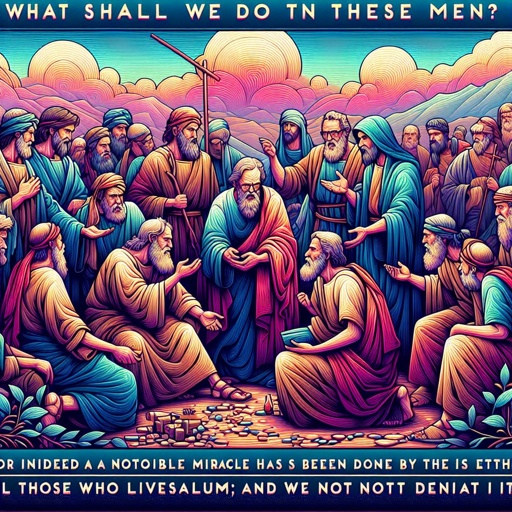
Acts 4:16 - "Saying, What shall we do to these men? for that indeed a notable miracle hath been done by them is manifest to all them that dwell in Jerusalem; and we cannot deny it."

Acts 3:16

Acts 3:16

Acts 3:16

Acts 3:16

Acts 16 v18

Acts 16 v26

Acts 16:17

Acts 2:16 - "But this is that which was spoken by the prophet Joel;"

Acts 4:30

Acts 4:30

Acts 4:30

Acts 2:4

Acts 4:30

Acts 16:8 - "And they passing by Mysia came down to Troas."

Acts 1:4-5

Acts 18:16 - "And he drave them from the judgment seat."

Acts 2:4

Acts 2:4

Acts 10:16 - "This was done thrice: and the vessel was received up again into heaven."

Acts 16:2 - "Which was well reported of by the brethren that were at Lystra and Iconium."

Acts 16:5 - "And so were the churches established in the faith, and increased in number daily."

Acts 16:16 - "¶ And it came to pass, as we went to prayer, a certain damsel possessed with a spirit of divination met us, which brought her masters much gain by soothsaying:"

Acts 4:8-12

Acts 14:16 - "Who in times past suffered all nations to walk in their own ways."

Acts 16:32 - "And they spake unto him the word of the Lord, and to all that were in his house."

"But this is that which was spoken by the prophet Joel;" - Acts 2:16

Acts 4:4 - "Howbeit many of them which heard the word believed; and the number of the men was about five thousand."