Reasoning with Scripture: The Heart of Apostolic Preaching
“And Paul, as his manner was, went in unto them, and three sabbath days reasoned with them out of the scriptures, Opening and alleging, that Christ must needs have suffered, and risen again from the dead; and that this Jesus, whom I preach unto you, is Christ.” — Acts 17:2-3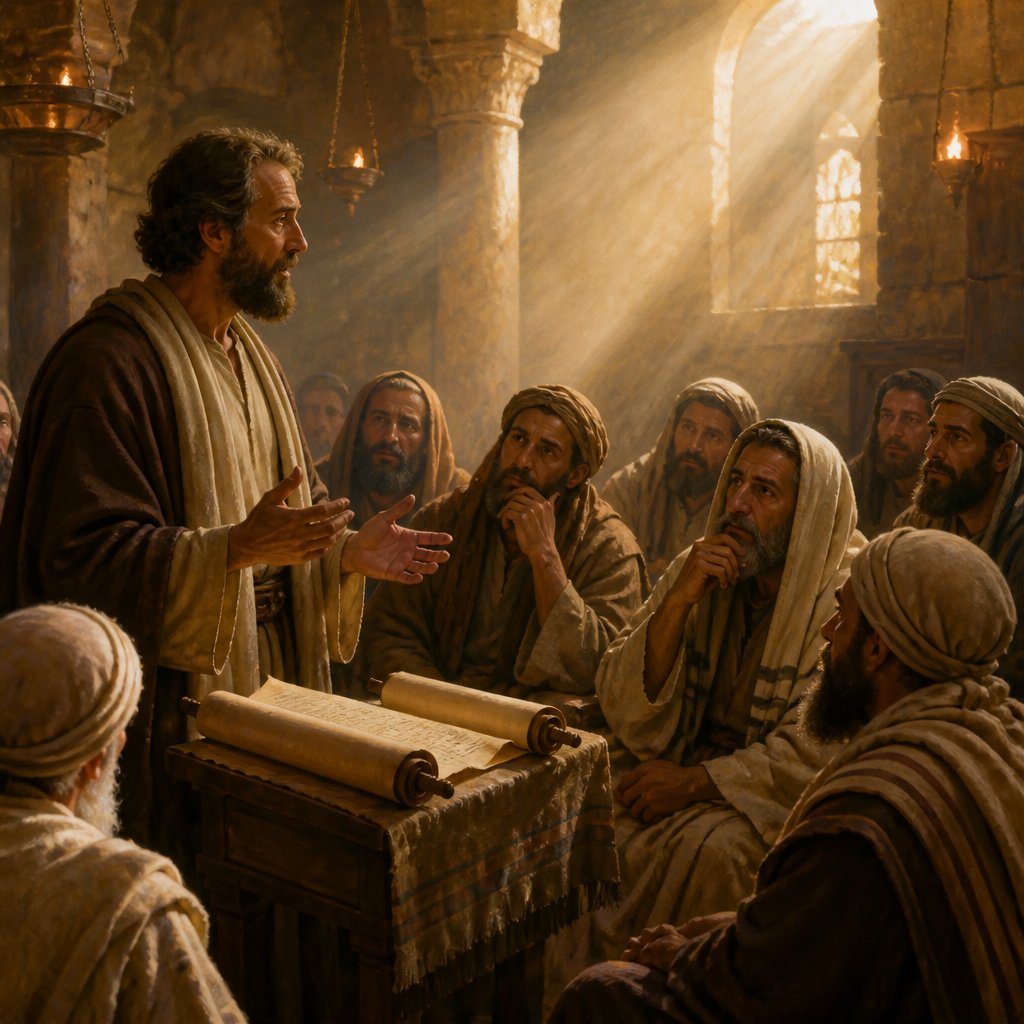
In Acts 17:2-3, we find the Apostle Paul engaged in a powerful demonstration of faith and intellect as he ministers to the people of Thessalonica. The scripture states, "And Paul, as his manner was, went in unto them, and three sabbath days reasoned with them out of the scriptures, opening and alleging, that Christ must needs have suffered, and risen again from the dead; and that this Jesus, whom I preach unto you, is Christ." Here, we gain insight not only into Paul's methodology but also into the substance of his mission.
Each element of these verses deserves our attention as we reflect on Paul’s approach to evangelism. First, we note the phrase, "as his manner was." This signifies that Paul had a consistent practice—he regularly visited synagogues on the Sabbath to share the good news. This consistency speaks to the importance of establishing habits in our spiritual journey. As believers, engaging regularly with God's word and community strengthens our faith and equips us to share with others.
Next, we see that he reasoned with them. The term "reasoned" implies that Paul wasn't merely providing a monologue; he actively engaged in discussion and debate. This is a vital component of effective ministry—it requires us to listen, understand, and articulate the truths of the Gospel in a compelling way. Paul reasoned not emotionally, but with intellectual rigor, using "the scriptures" to ground his arguments.
The use of scripture indicates the authority Paul relied upon—he anchored his teaching in the Jewish texts that signified God’s covenant and promises. In our modern context, it urges us to immerse ourselves in Scripture, to mine its depths for the treasures of truth that we can share with others. It also reminds us that our faith must be rooted in the authoritative word of God, which does not change and stands firm against time and culture.
The intent of Paul’s reasoning is crucial: he was "opening and alleging" that Christ must suffer and rise from the dead. This assertion cannot be taken lightly. Paul elucidated the necessity of Christ’s sufferings. He points to the prophetic scriptures that foreshadowed the coming Messiah, who would bear the sins of the world. To the Jewish audience, the concept of a suffering Messiah was likely challenging, yet Paul adeptly linked their sacred texts to the reality of Christ’s sacrifice. In our own sharing of the gospel, we too need to address misconceptions and challenges that others may have about who Jesus is, who He was, and what He accomplished.
Paul’s conclusion, "this Jesus, whom I preach unto you, is Christ," is a declaration that must resonate within our own hearts. The affirmation of Jesus as the Christ, the anointed one who fulfills God’s promise, is the core of our faith. It calls us not only to believe but also to proclaim it boldly, as Paul did. We are co-laborers in this eternal work, each called to unveil the truth of Jesus’s identity to those who are lost and searching.
As we reflect on these verses, let us consider how we communicate our faith. Are we reasoning with others as Paul did? Are we willing to engage the scriptures and rely on them as our foundation? Do we understand that Christ’s suffering and resurrection are vital pillars upon which our faith stands?
In conclusion, let us embrace Paul’s example of diligent study, thoughtful proclamation, and the deep-seated conviction of Christ’s Lordship. May we too embark on our journeys of faith ready to reason with others, bring clarity to confusion, and shine a light on the magnificent truth that Jesus Christ is indeed the Savior of the world.
Get our apps


Artwork for Acts 17:2-3

Acts 17:2-3 - "As was his custom, Paul went into the synagogue, and on three Sabbath days he reasoned with them from the Scriptures, explaining and proving that the Messiah had to suffer and rise from the dead. "This Jesus I am proclaiming to you is the Messiah," he said."
"As was his custom, Paul went into the synagogue, and on three Sabbath days he reasoned with them from the Scriptures, explaining and proving that the Messiah had to suffer and rise from the dead. "This Jesus I am proclaiming to you is the Messiah," he said." - Acts 17:2-3

Acts 2:17

Acts 2:17

Acts 2:17

Acts 2:2-3

Acts 2:2-3

Acts 2:3

Acts 3:17 - "And now, brethren, I wot that through ignorance ye did it, as did also your rulers."

create an image to show Acts 2:17

Acts 17:2 - "And Paul, as his manner was, went in unto them, and three sabbath days reasoned with them out of the scriptures,"

Acts 2:3 - "And there appeared unto them cloven tongues like as of fire, and it sat upon each of them."

Acts 17:3 - "Opening and alleging, that Christ must needs have suffered, and risen again from the dead; and that this Jesus, whom I preach unto you, is Christ." respectful, symbolic bible verse art

2 Kings 21:17 - "¶ Now the rest of the acts of Manasseh, and all that he did, and his sin that he sinned, are they not written in the book of the chronicles of the kings of Judah?"

2 Corinthians 3:17 - "Now the Lord is that Spirit: and where the Spirit of the Lord is, there is liberty."

Acts 2;2-3

Acts 16:17

Acts 14:17

Acts 17:15
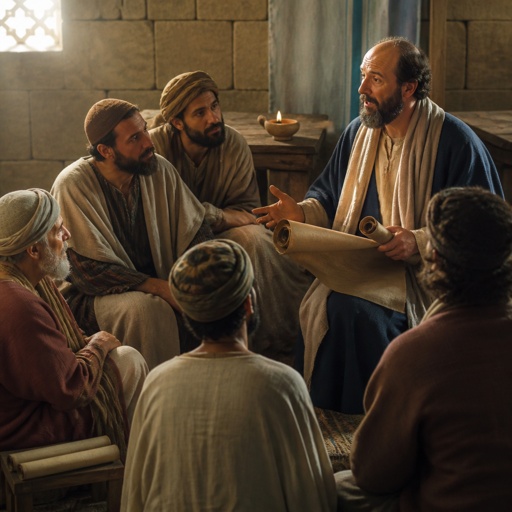
"And Paul, as his manner was, went in unto them, and three sabbath days reasoned with them out of the scriptures," - Acts 17:2
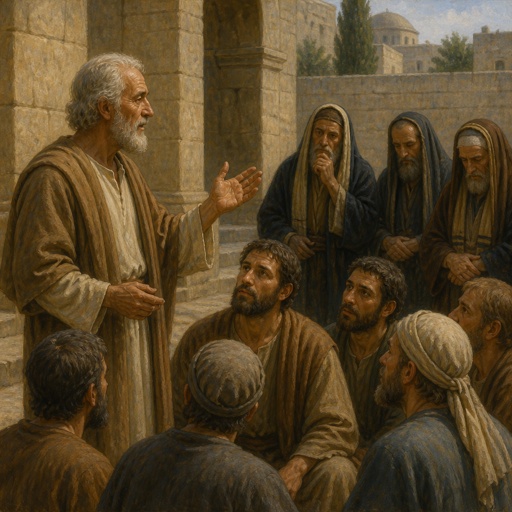
"And now, brethren, I wot that through ignorance ye did it, as did also your rulers." - Acts 3:17

Acts 17:27

2 Timothy 3:17 - "That the man of God may be perfect, throughly furnished unto all good works."

2 Thessalonians 3:17 - "The salutation of Paul with mine own hand, which is the token in every epistle: so I write."

Acts 17:17 - "Therefore disputed he in the synagogue with the Jews, and with the devout persons, and in the market daily with them that met with him."

2 Chronicles 17:3 - "And the LORD was with Jehoshaphat, because he walked in the first ways of his father David, and sought not unto Baalim;"

2 Kings 17:3 - "Against him came up Shalmaneser king of Assyria; and Hoshea became his servant, and gave him presents."

2 Samuel 3:17 - "¶ And Abner had communication with the elders of Israel, saying, Ye sought for David in times past to be king over you:"

"And there appeared unto them cloven tongues like as of fire, and it sat upon each of them." - Acts 2:3

Acts 3:16