Understanding the Strange Things: Seeking Divine Truth
“For thou bringest certain strange things to our ears: we would know therefore what these things mean.” — Acts 17:20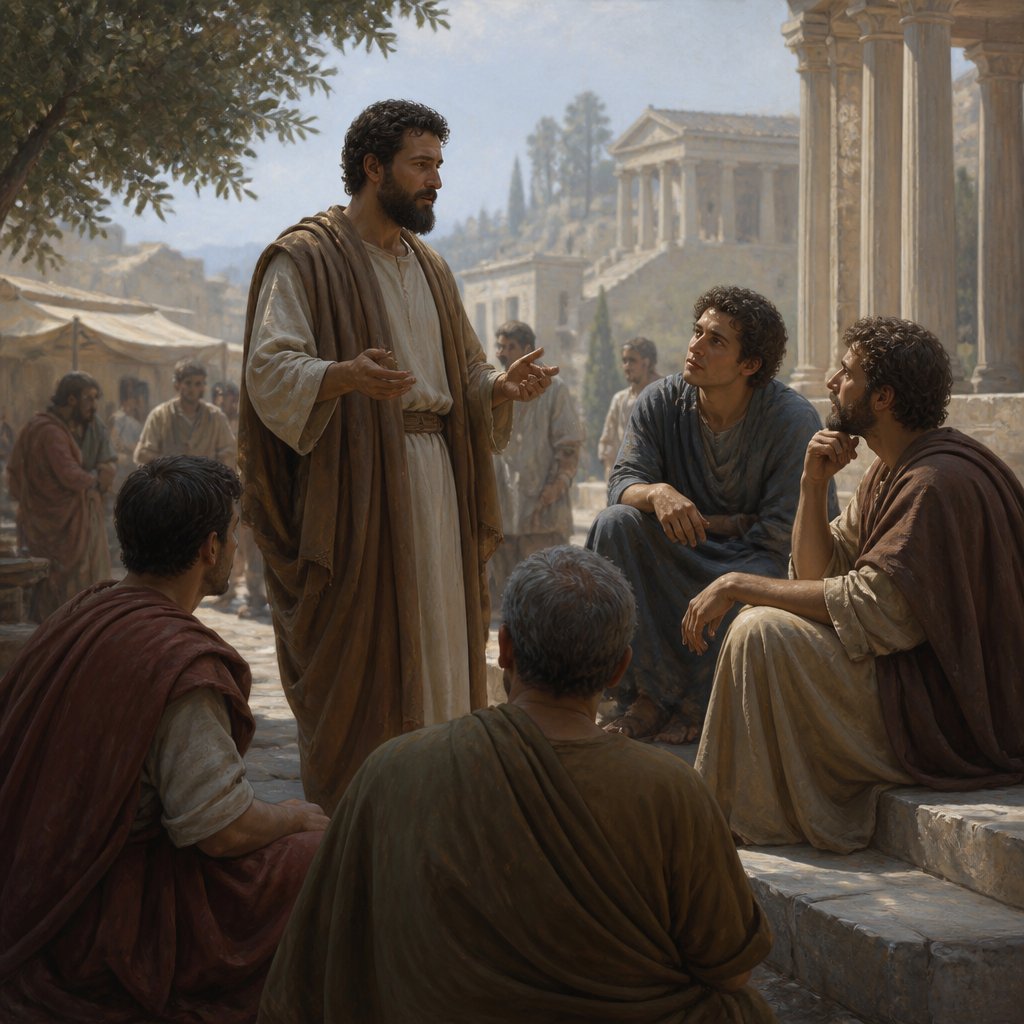
In Acts 17:20, we encounter a moment of curiosity amidst confusion: "For thou bringest certain strange things to our ears: we would know therefore what these things mean." This verse is nestled in the narrative of Paul's visit to Athens, where he was confronted by a society steeped in philosophical inquiry and religious pluralism. The Athenians were known for their passion for new ideas, yet they found themselves puzzled by the teachings of the Apostle Paul regarding Jesus and the resurrection.
Paul stood among the diverse intellectuals of Athens, who were eager to discuss the latest cutting-edge philosophies and ideas. When he spoke of Christ, they perceived his message as something foreign—a strange doctrine that challenged the very foundation of their understanding. Their reaction throws light on a universal truth: throughout history, God's message has often been met with skepticism and bewilderment, particularly when it disrupts secure belief systems.
What can we learn from the Athenians’ inquiry? First and foremost, it highlights the importance of seeking understanding. In our walks of faith, we are often confronted with strange things—teachings that clash with our personal beliefs, experiences that challenge our perceptions, or circumstances that seem insurmountable. Just as the Athenians sought clarification on Paul’s message, we too must approach God with a genuine desire to understand His ways and His word. James 1:5 reassures us, "If any of you lack wisdom, let him ask of God, that giveth to all men liberally, and upbraideth not; and it shall be given him." When we seek answers with an open heart, God is faithful to guide us.
Moreover, the term
Get our apps


Artwork for Acts 17:20

Acts 17:20 - "For thou bringest certain strange things to our ears: we would know therefore what these things mean."
"For thou bringest certain strange things to our ears: we would know therefore what these things mean." - Acts 17:20

Acts 20:17 - "¶ And from Miletus he sent to Ephesus, and called the elders of the church."
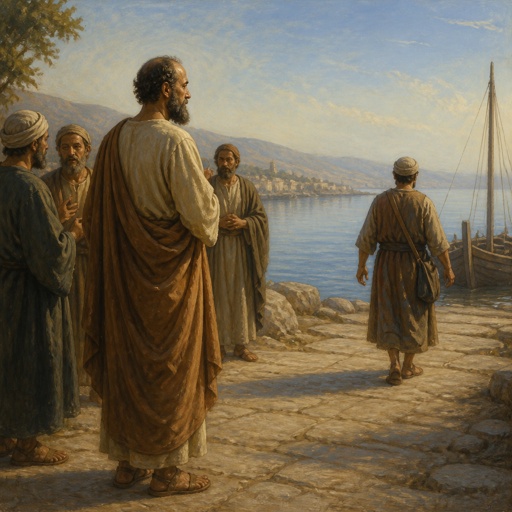
"¶ And from Miletus he sent to Ephesus, and called the elders of the church." - Acts 20:17

Acts 2:17

Acts 2:17

Acts 2:17

Acts 20:11

Acts 16:17

Acts 14:17

Acts 17:15

Acts 17:27

acts 20:7-12

Acts 9:1-20

Acts 9:1-20

Acts 17:17 - "Therefore disputed he in the synagogue with the Jews, and with the devout persons, and in the market daily with them that met with him."

Acts 20:5 - "These going before tarried for us at Troas."

Genesis 20-17

Matthew 17:20

Acts 19:20 - "So mightily grew the word of God and prevailed."

Acts 17:33 - "So Paul departed from among them."

Matthew 17:20

Genesis 17-20

Acts 8:17 - "Then laid they their hands on them, and they received the Holy Ghost."

Acts 20:33 - "I have coveted no man's silver, or gold, or apparel."

Acts 20:12 - "And they brought the young man alive, and were not a little comforted."

Acts 17:8 - "And they troubled the people and the rulers of the city, when they heard these things."

Acts 1:17 - "For he was numbered with us, and had obtained part of this ministry."

create an image to show Acts 2:17

Depict the events of Acts 19:14-17