Faith in Transition: The Importance of Divine Timing
“But bade them farewell, saying, I must by all means keep this feast that cometh in Jerusalem: but I will return again unto you, if God will. And he sailed from Ephesus.” — Acts 18:21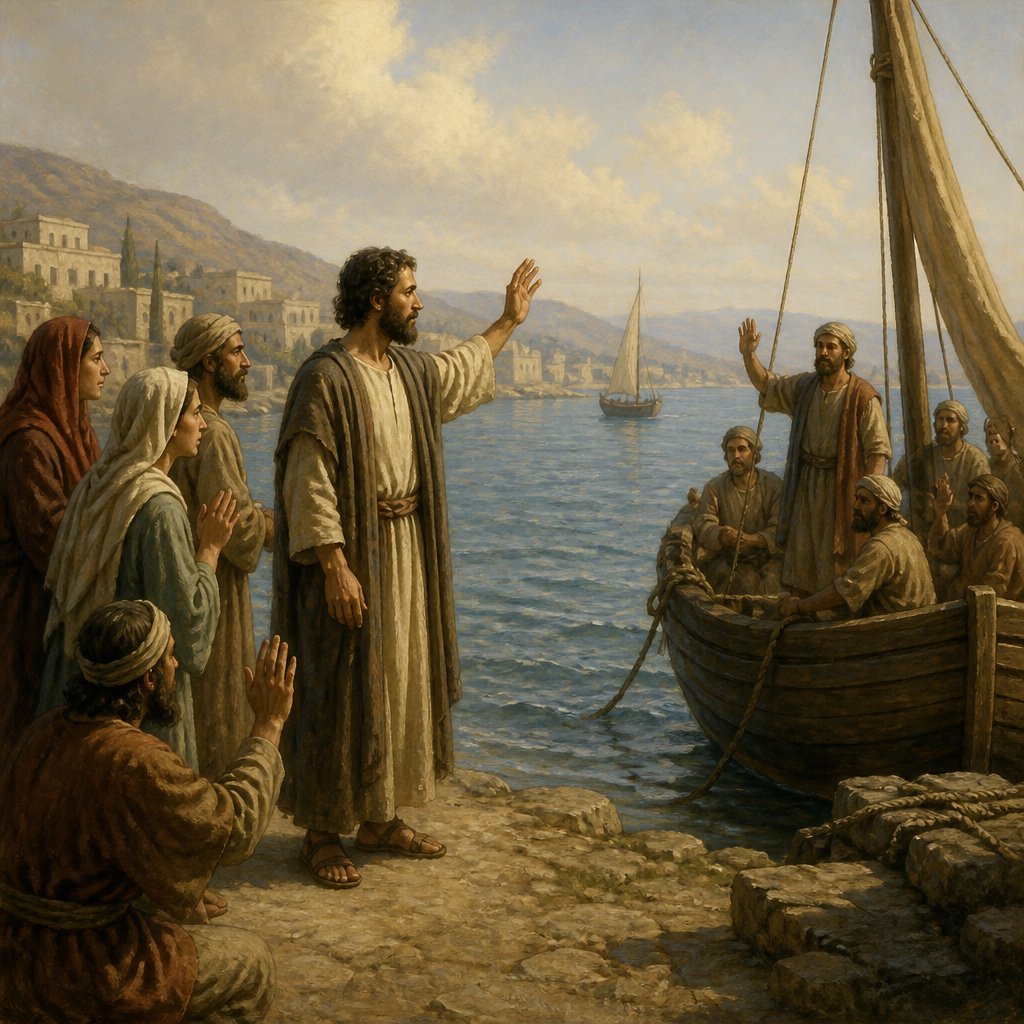
Acts 18:21 (KJV) states, "But bade them farewell, saying, I must by all means keep this feast that cometh in Jerusalem: but I will return again unto you, if God will. And he sailed from Ephesus." This verse, nestled amidst the travels of the Apostle Paul, beckons us to explore themes of commitment, faithfulness, and the divine orchestration in our lives.
As we reflect on Paul's farewell, we see a man deeply rooted in his faith and mission. His dedication to keeping the feast in Jerusalem highlights the importance of religious observance in his life, reflecting both his Jewish heritage and his commitment as a believer in Christ. This wasn't merely a cultural obligation for Paul; it was an act of honoring God through tradition while simultaneously spreading the gospel. Paul recognized that some traditions still held value in expressing faith, and he was determined to partake in this significant event.
In our own lives, there are moments where we must also navigate our traditions and commitments while remaining faithful to our callings. Much like Paul, we might find ourselves at a crossroads, balancing our personal desires and obligations against the larger plan that God has for us. For instance, as Christians, we are called to gather as the Body of Christ, to celebrate, and to share in fellowship. Yet, there are times when our attendance may conflict with responsibilities or changes in the life God has for us.
Paul also illustrates the importance of saying farewell, an act often filled with a mix of emotions—sorrow, hope, and promise. He bids farewell to the people at Ephesus with a commitment to return if it is God’s will. This is profoundly significant. Paul recognizes that the future is not entirely within his control; rather, it is governed by God’s divine will. In doing so, he models for us a posture of humility and dependence on God.
This verse challenges us to evaluate how often we remain tethered to our plans without considering God’s perspective. How quick are we to declare our intentions without acknowledging divine sovereignty? As we ponder this, let us remember that every season in our spiritual journey transforms us. While it's okay to make plans, we must do so with the understanding that God might redirect us, offering better opportunities for growth and ministry.
Paul's assurance of return, "if God will," carries immense weight. It’s a reminder of the Christian doctrine of submission—submitting our will to God’s greater plan. In James 4:15, we are reminded: "For that ye ought to say, If the Lord will, we shall live, and do this, or that." How often do we utter empty phrases about our future without considering that the Lord may have a different path for us? By incorporating “if God wills” into our planning, we cultivate a deeper sense of trust and openness to the movement of the Holy Spirit in our lives.
As Paul sails away from Ephesus, we see a man committed not only to his mission but also to the awareness of God’s wider providence. Paul exemplifies the Christian believer as an adventurer—unafraid to embrace the unknown, grounded in faith and buoyed by God’s promises. His journey demonstrates that while we may sometimes need to leave behind certain aspects of life for new opportunities, it is in those transitions that we often find the richest experiences of God’s grace and guidance.
In conclusion, as you face your own "sailing from Ephesus" moments, take the time to reflect on what God might be asking you to do. Are there traditions or responsibilities you need to honor while being open to new directives? Are you allowing your plans to be flexible enough to accommodate God’s will? Let us pray for wisdom and grace to navigate our commitments, trusting that what we leave behind might just be the foundation for the next adventure God has in store.
Get our apps


Artwork for Acts 18:21

Acts 18:21 - "But bade them farewell, saying, I must by all means keep this feast that cometh in Jerusalem: but I will return again unto you, if God will. And he sailed from Ephesus."
"But bade them farewell, saying, I must by all means keep this feast that cometh in Jerusalem: but I will return again unto you, if God will. And he sailed from Ephesus." - Acts 18:21

Acts 21:18 - "And the day following Paul went in with us unto James; and all the elders were present."

Acts 21:18 On the following day Paul went in with us to James, and all the elders were present.
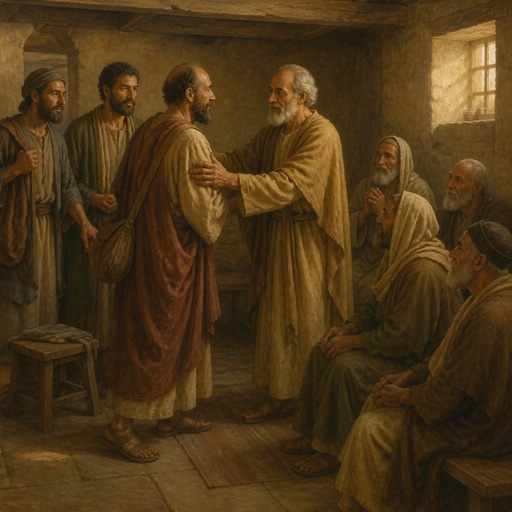
"And the day following Paul went in with us unto James; and all the elders were present." - Acts 21:18

Acts 18:12

Acts 18:12

Acts 1:21-23

Acts 1:21-22

Proverbs 18:21

Proverbs 18:21

Proverbs 18:21

Proverbs 18:21

Acts 21:5-6

Acts 1:21-22

Proverbs 18:21

Proverbs 18:21

Proverbs 18:21

Proverbs 18:21

Proverbs 18:21

Proverbs 18:21

Proverbs 18:21

Proverbs 18:21

Genesis 18-21

Genesis 21-18

Acts 21:36 - "For the multitude of the people followed after, crying, Away with him."

Acts 18:16 - "And he drave them from the judgment seat."

Acts 19:18 - "And many that believed came, and confessed, and shewed their deeds."

Acts 7:18 - "Till another king arose, which knew not Joseph."
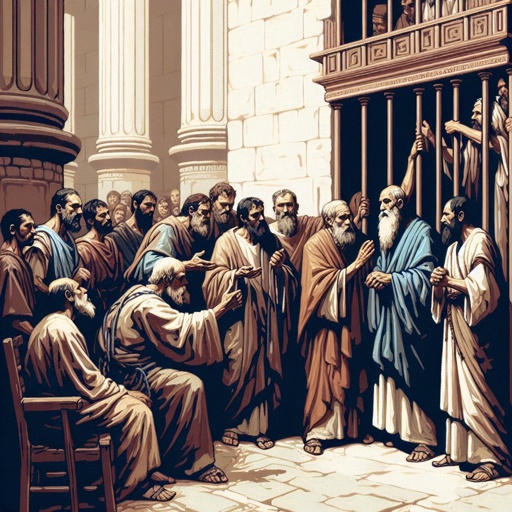
Acts 5:18 - "And laid their hands on the apostles, and put them in the common prison."