The Mockery of Transformation: Embracing the New Wine in Christ
"Others mocking said, These men are full of new wine." - Acts 2:13
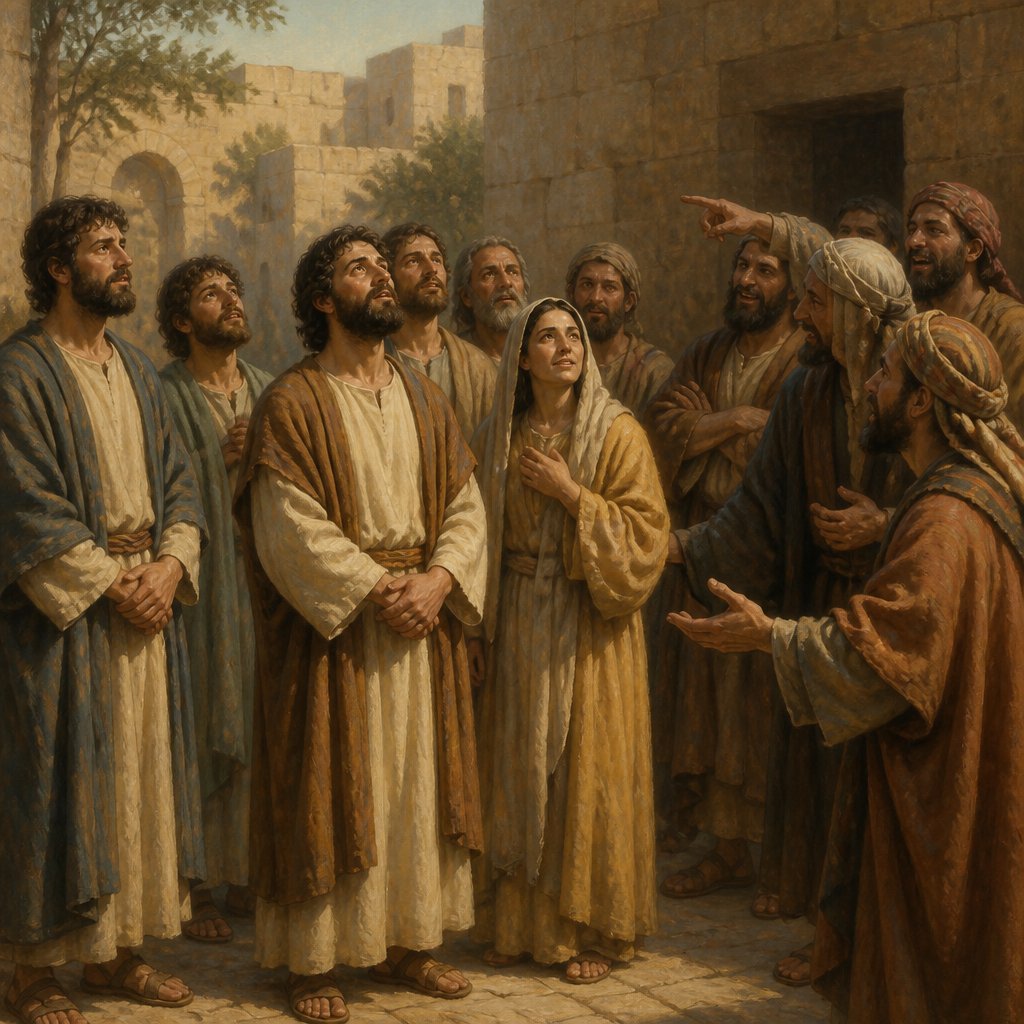
In Acts 2:13, we encounter a pivotal moment in the early Church: "Others mocking said, These men are full of new wine." This verse, nestled within the context of Pentecost, serves as both a declaration of divine empowerment and a stark reminder of the world's skepticism towards the transformative work of the Holy Spirit.
On the day of Pentecost, the disciples were gathered, united in prayer and expectation. The atmosphere thickened with anticipation when suddenly, a mighty wind filled the house, and tongues of fire rested upon them. They began to speak in other languages, proclaiming the wonders of God. This miraculous event drew a crowd, all marveling at the scene, yet amidst the wonder, there were mockers. Their scoffing words, “These men are full of new wine,” reveal the tension between the power of God and the perception of humanity.
The mockers’ remark about being filled with new wine denotes a misunderstanding propagated by their own preconceived notions and societal norms. They equated the disciples’ ecstatic speech and fervor with drunkenness, failing to recognize the profound work of the Holy Spirit. This illustrates a fundamental truth: spiritual transformation often perplexes those who are not attuned to the divine workings of God.
This mocking attitude is not merely historical; it resonates deeply within our current culture. As we seek to live out our faith, we may find ourselves ridiculed for our beliefs, our joy, and our hope in Jesus Christ. Believers today may hear similar accusations on the fringes of their workplaces, social circles, or even within their own families.
Scripture often warns us that following Christ may not only lead to glory and victory, but also to misunderstanding and ridicule. Jesus, during His time on earth, faced mockery, just as His followers would. In John 15:18, He reminds us: "If the world hate you, ye know that it hated me before it hated you." Thus, when the world misunderstands our actions, our joy, or even our spiritual fervency, it's essential to remember that we stand in a long line of saints who have been similarly scorned.
The irony in this mockery is that they were perfectly wrong about why the disciples were acting as they were. The disciples were not intoxicated with earthly wine but filled with the new wine of the Holy Spirit. This new wine symbolizes the fresh outpouring of God's grace, a transformative power that leads to a radical new way of living - one marked by boldness, love, and the proclamation of the Gospel. “New wine” signifies new beginnings, heavenly realities, and a departure from the old ways. Just as new wine ferments, so too does the Spirit work to reshape our hearts and minds, producing fruits of righteousness, joy, and peace in our lives.
To embrace this new wine means participating in the life of the Spirit. It invites us to challenge our old patterns of thought and behavior, opening ourselves up to the transformative work of Christ. In our contemporary world, we are called to embody the new wine on display - joy that is unconcealed amid hardship, love that forgives the unforgivable, and faith that believes against all odds.
Let us not be discouraged by mockery but rather emboldened by the Spirit to live authentically as witnesses of Christ. Our lives, overflowing with the new wine of the Holy Spirit, must serve as a testament to the power of God to change hearts and lives, even when the world might scoff at the authenticity of our faith. It is in our steadfastness against mockery that we reveal the transformative nature of God’s renewing power. “For I am not ashamed of the Gospel of Christ: for it is the power of God unto salvation to every one that believeth...” (Romans 1:16).
In prayer, let us ask the Lord to fill us with His Spirit that we may be bold witnesses, unshaken by skepticism, and overflowing with the new wine that stirs the hearts of those around us, pointing them to the beautiful reality of Christ.
Want to reflect more on Acts 2:13?
Continue your spiritual journey with Bible Chat — an AI-powered tool for exploring God's Word through conversation. Ask questions, discover connections, and deepen your understanding.
Get Our Apps


Acts 2:13 Artwork

Acts 2:13 - "Others mocking said, These men are full of new wine."
"Others mocking said, These men are full of new wine." - Acts 2:13

2 Chronicles 13:22 - "And the rest of the acts of Abijah, and his ways, and his sayings, are written in the story of the prophet Iddo."

2 Kings 13:8 - "¶ Now the rest of the acts of Jehoahaz, and all that he did, and his might, are they not written in the book of the chronicles of the kings of Israel?"

Acts 13:2 - "As they ministered to the Lord, and fasted, the Holy Ghost said, Separate me Barnabas and Saul for the work whereunto I have called them."

2 Kings 13:12 - "And the rest of the acts of Joash, and all that he did, and his might wherewith he fought against Amaziah king of Judah, are they not written in the book of the chronicles of the kings of Israel?"

Acts 13:43

Acts 13:30 - "But God raised him from the dead:"

"And the rest of the acts of Abijah, and his ways, and his sayings, are written in the story of the prophet Iddo." - 2 Chronicles 13:22

Acts 2:2

Acts 13:49 - "And the word of the Lord was published throughout all the region."

Acts 13:52 - "And the disciples were filled with joy, and with the Holy Ghost."

Acts 2:2

Acts 13:37 - "But he, whom God raised again, saw no corruption."

Philippians 2:13 - "For it is God which worketh in you both to will and to do of his good pleasure."

Acts 13:13 - "Now when Paul and his company loosed from Paphos, they came to Perga in Pamphylia: and John departing from them returned to Jerusalem."

Acts 18:13 - "Saying, This fellow persuadeth men to worship God contrary to the law."

Acts 23:13 - "And they were more than forty which had made this conspiracy."

Acts 24:13 - "Neither can they prove the things whereof they now accuse me."

Acts 13:18 - "And about the time of forty years suffered he their manners in the wilderness."

2 Peter 2:13 - "And shall receive the reward of unrighteousness, as they that count it pleasure to riot in the day time. Spots they are and blemishes, sporting themselves with their own deceivings while they feast with you;"

Acts 13:40 - "Beware therefore, lest that come upon you, which is spoken of in the prophets;"

Acts 5:13 - "And of the rest durst no man join himself to them: but the people magnified them."

Acts 13:51 - "But they shook off the dust of their feet against them, and came unto Iconium."

Acts 12:13 - "And as Peter knocked at the door of the gate, a damsel came to hearken, named Rhoda."

Acts 13:3 - "And when they had fasted and prayed, and laid their hands on them, they sent them away."

Acts 2:2-3

Acts 2:2-3

"¶ Now the rest of the acts of Jehoahaz, and all that he did, and his might, are they not written in the book of the chronicles of the kings of Israel?" - 2 Kings 13:8

Acts 2:17