The Fullness of Peace: Christ's Central Role in Reconciliation
“For it pleased the Father that in him should all fulness dwell; And, having made peace through the blood of his cross, by him to reconcile all things unto himself; by him, I say, whether they be things in earth, or things in heaven.” — Colossians 1:19-20
Colossians 1:19-20 (KJV) states, "For it pleased the Father that in him should all fulness dwell; And, having made peace through the blood of his cross, by him to reconcile all things unto himself; by him, I say, whether they be things in earth, or things in heaven." These two verses encapsulate a magnificent truth regarding not only Jesus Christ’s divine nature but also His vital role in the divine plan of reconciliation between God and His creation.
In the first part of verse 19, we are reminded that it pleased God the Father that all fullness should dwell in Christ. This declaration speaks to the absolute deity of Jesus, affirming that He is not merely a prophet or a good teacher but the embodiment of God Himself. The term 'fulness' implies completeness; it assures us that everything that can be known about God, all His character, wisdom, and power, are revealed in Christ. This affirmation challenges us to dwell on the significance of Christ’s nature. When we contemplate this fullness, we recognize that Christ uniquely bridges the gap between humanity and God, exuding divine attributes while engaging with our earthly existence.
The implications of this fullness are profound. It means that in our struggles, we can turn to Christ fully aware that He holds the answers to our dilemmas. In times of confusion, His wisdom surpasses our understanding. In our weakness, His strength fortifies us. In all aspects of our lives, we are invited to access this divine fullness. This reality brings about a transformation; knowing that Christ is the fullest representation of God fills us with hope and confidence. We should boldly approach our lives, anchoring our identity and self-worth in this powerful truth.
Verse 20 continues to expound on this powerful revelation: “And, having made peace through the blood of his cross, by him to reconcile all things unto himself.” Herein lies the crux of the gospel message—the concept of reconciliation. To reconcile means to restore a relationship that has been broken. In our sinfulness, we created a chasm between ourselves and God, but through Christ's sacrificial death on the cross, that breach is healed. The blood represents a new covenant, a sacrificial atonement that covers our sins and ushers us into right standing with the Father.
This verse reminds us that peace is not an abstract emotion but a tangible reality achieved through the cross. Throughout our lives, we may chase after peace in various forms—relationships, achievements, or possessions. Yet, the true peace that satisfies the soul is a direct result of our reconciliation with God. When we accept Christ's sacrifice, we embrace the peace that transcends understanding, a peace that allows us to navigate the storms of life with unwavering faith.
Furthermore, the call to reconcile all things unto Himself underscores the expansive nature of Christ’s work. This reconciliation extends beyond individual hearts; it encompasses all aspects of creation, whether in earth or in heaven. This means that God's restorative work through Christ includes not just humanity but the entirety of His created order. The brokenness we see in the world—whether in social injustice, environmental degradation, or personal relationships—will ultimately be addressed through Christ’s lordship.
In our prayer life, this awareness instills compassion, urging us to become instruments of God’s peace in a fractured world. As we reflect on these verses, we should ask ourselves: How are we participating in the mission of reconciliation? How can we be conduits of His peace to others, reflecting the fullness of Christ?
In conclusion, Colossians 1:19-20 provides a rich tapestry of theological and practical truths. It invites us to rest in the fullness of Christ, acknowledge the peace He gives through the cross, and engage in the divine mission of reconciliation. May we be ever mindful of this glorious truth, allowing it to shape our lives and direct our actions towards living in harmony with God and each other.
Get our apps


Artwork for Colossians 1:19-20

Colossians 1:19-20 - "For it pleased the Father that in him should all fulness dwell; And, having made peace through the blood of his cross, by him to reconcile all things unto himself; by him, I say, whether they be things in earth, or things in heaven."

"For it pleased the Father that in him should all fulness dwell; And, having made peace through the blood of his cross, by him to reconcile all things unto himself; by him, I say, whether they be things in earth, or things in heaven." - Colossians 1:19-20

COLOSSIANS 1:19

Colossians 1:15-20

Colossians 1:15-20

Colossians 2:19

Colossians 2:19

Colossians 1:19 - "For it pleased the Father that in him should all fulness dwell;"

1 Corinthians 1:19-20

1 Corinthians 1:19-20

1 Corinthians 1:19-20

1 Corinthians 1:19-20

1 Corinthians 1:19-20

1 Corinthians 1:19-20

1 Corinthians 1:19-20

1 Corinthians 1:19-20

1 Corinthians 1:19-20

1 Corinthians 1:19-20

1 Corinthians 1:19-20

1 Corinthians 1:19-20

1 Corinthians 1:19-20

1 Corinthians 1:19-20

1 Corinthians 1:19-20

1 Corinthians 1:19-20

1 Corinthians 1:19-20

1 Corinthians 1:19-20

1 Corinthians 1:19-20

1 Corinthians 1:19-20
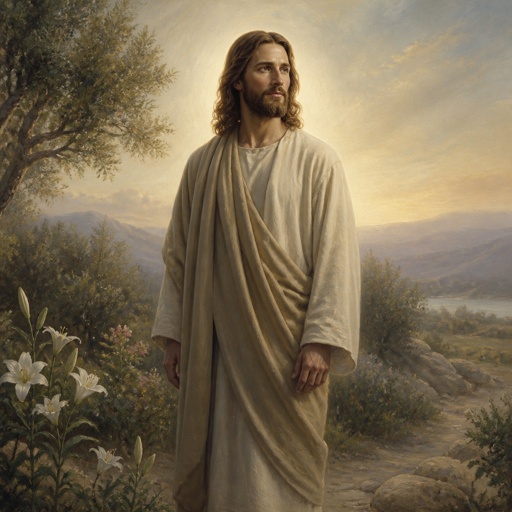
"For it pleased the Father that in him should all fulness dwell;" - Colossians 1:19

Colossians 1:20 - "And, having made peace through the blood of his cross, by him to reconcile all things unto himself; by him, I say, whether they be things in earth, or things in heaven."