A Three-Week Fast: Seeking God with All Our Hearts
"I ate no pleasant bread, neither came flesh nor wine in my mouth, neither did I anoint myself at all, till three whole weeks were fulfilled." - Daniel 10:3
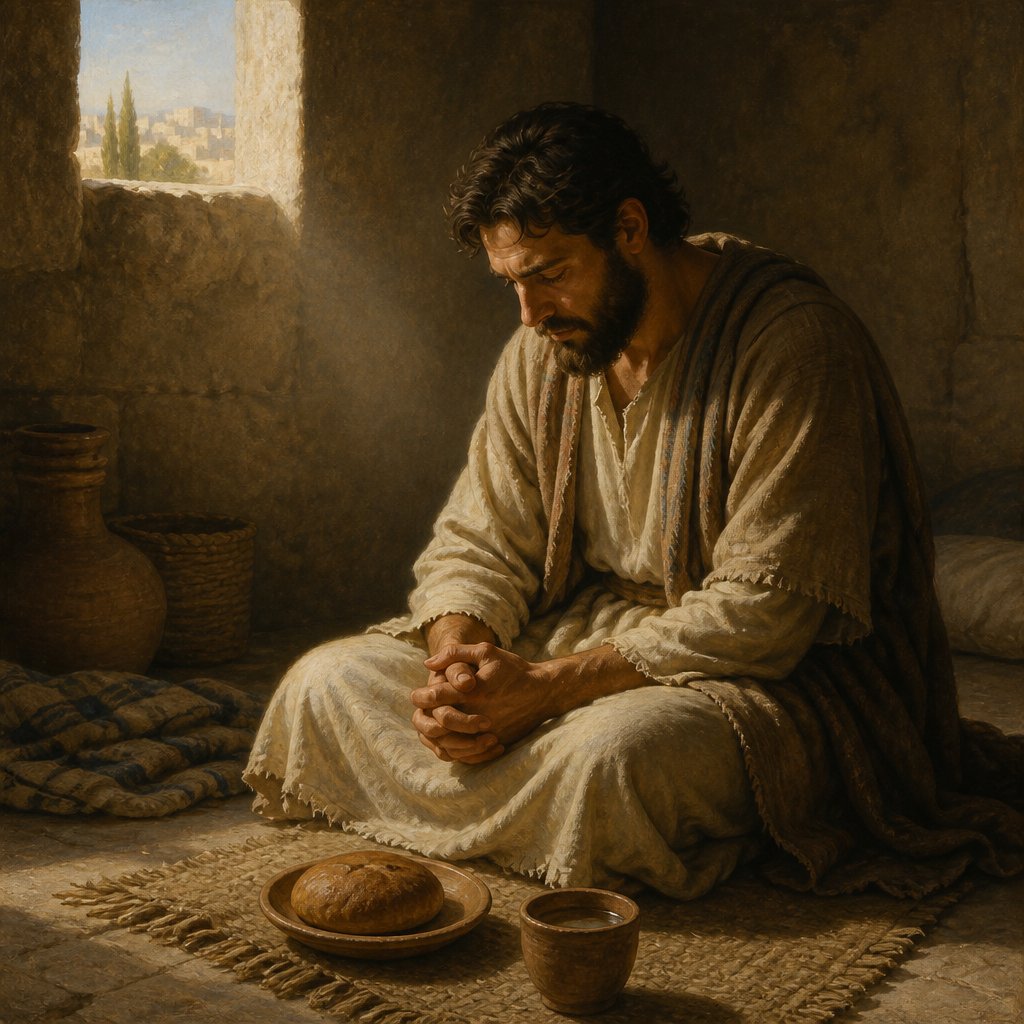
The journey of faith often includes periods of deep seeking, prayer, and fasting. In Daniel 10:3, we encounter a poignant moment in which Daniel commits himself to a profound period of spiritual discipline: "I ate no pleasant bread, neither came flesh nor wine in my mouth, neither did I anoint myself at all, till three whole weeks were fulfilled." This verse encapsulates not only Daniel's physical abstention from certain foods but also his intense devotion to God in a time of uncertainty and need.
The context of this verse is crucial. Daniel had been deeply troubled by a vision he had received about Israel's future. Feeling the weight of this revelation, he turned to God, not just in prayer but through fasting and self-denial. Fasting isn’t merely about abstaining from food; it’s an act of focus, a way to draw closer to God and to clear our minds and hearts of distractions. By refusing pleasant bread, meat, and wine, Daniel intentionally chose a path of simplicity that would elevate his spirit over his corporeal needs.
Why did Daniel abstain from these particular foods? In the cultural context of ancient Israel, pleasant bread likely refers to rich, luxurious foods, while flesh and wine signify indulgences that were associated with feasting and celebration. By forgoing these comforts, Daniel was manifesting his seriousness in seeking God’s guidance. He understood that in the presence of divine issues, he needed to be wholly engaged and that required sacrifice.
When we fast, we create space in our lives for God to speak to us. Fasting is not just about what we give up; it is also about what we are hoping to receive. Daniel desired understanding and wisdom about the future of his people, and he was willing to go to great lengths to hear God's voice amidst his concerns. This challenges us to consider our priorities when we seek God’s guidance. Are we too distracted by the comforts and luxuries of life to hear Him clearly?
Additionally, Daniel's determination to not anoint himself also indicates an absolute focus on his spiritual state. Anointing often symbolizes celebration and joy, but in his period of mourning and desperation, Daniel chose to forego even the most basic elements of self-care that might distract from his purpose. This physical manifestation of sorrow speaks to a deeper truth about humility and surrender in our approach to God. It’s an encouragement to lay our pride aside as we approach the throne of grace in times of need.
Fasting may seem daunting, but it is a spiritual discipline that invites us into a deeper relationship with God. The world we live in is filled with distractions: social media, entertainment, and endless opportunities for consumption that pull us away from what truly matters. Daniel's commitment to abstain for three whole weeks teaches us about perseverance in prayer and seeking the Lord earnestly.
Consider, too, the fruits of fasting. As Daniel engaged in this practice, he was ultimately rewarded with divine revelation. The ensuing chapters reveal a vision whereby angels brought him the answers he sought. In our own lives, while fasting might not guarantee explicit visions or messages, it does prepare our hearts and minds to receive God’s will for us, fostering a readiness for His answers.
In conclusion, let us reflect on Daniel's example. He invites us to prioritize divine connection over temporal pleasures. This call to discipline serves as an encouragement, urging us to set aside distractions and seek God with all our hearts, especially in times of uncertainty or concern. As we approach our own seasons of fasting, we ought to embody Daniel's commitment, making space for God to move and speak. May we, too, find clarity and peace in His presence, just as Daniel did, as we commit ourselves to seeking Him with unwavering devotion.
Want to reflect more on Daniel 10:3?
Continue your spiritual journey with Bible Chat — an AI-powered tool for exploring God's Word through conversation. Ask questions, discover connections, and deepen your understanding.
Get Our Apps


Daniel 10:3 Artwork

Daniel 10:3 - "I ate no pleasant bread, neither came flesh nor wine in my mouth, neither did I anoint myself at all, till three whole weeks were fulfilled."
"I ate no pleasant bread, neither came flesh nor wine in my mouth, neither did I anoint myself at all, till three whole weeks were fulfilled." - Daniel 10:3

Daniel 10:2 - "In those days I Daniel was mourning three full weeks."

Daniel 10

Daniel 10:5

Daniel 10:5

Daniel 3:10 - "Thou, O king, hast made a decree, that every man that shall hear the sound of the cornet, flute, harp, sackbut, psaltery, and dulcimer, and all kinds of musick, shall fall down and worship the golden image:"

Nehemiah 10:6 - "Daniel, Ginnethon, Baruch,"

Daniel 7: 9-10

Daniel 7:9-10

Daniel 7:9-10

Daniel 3:1

Daniel 5:3

Daniel 3:28

Daniel 3:25

Daniel 7:9-10

Daniel fasting in chapter 10

Daniel 4:10-14

Daniel 6:3-4 - "Daniel 6:3-4: Then this Daniel was preferred above the presidents and princes, because an excellent spirit was in him; and the king thought to set him over the whole realm. So the presidents and princes sought to find occasion against Daniel concerning the kingdom; but they could find none occasion nor fault; forasmuch as he was faithful, neither was there any error or fault found in him."

"In those days I Daniel was mourning three full weeks." - Daniel 10:2

Purpose of the vision from Daniel 10

Daniel 4:1-3

Daniel 6:3 - "Then this Daniel was preferred above the presidents and princes, because an excellent spirit was in him; and the king thought to set him over the whole realm."

Daniel 10:7 - "And I Daniel alone saw the vision: for the men that were with me saw not the vision; but a great quaking fell upon them, so that they fled to hide themselves."

Daniel 10:10 - "¶ And, behold, an hand touched me, which set me upon my knees and upon the palms of my hands."

"Daniel, Ginnethon, Baruch," - Nehemiah 10:6

Daniel 10:1 - "In the third year of Cyrus king of Persia a thing was revealed unto Daniel, whose name was called Belteshazzar; and the thing was true, but the time appointed was long: and he understood the thing, and had understanding of the vision."

Daniel 4:10-12 – Nebuchadnezzar’s dream of a tree.

COSMIC COURTROOM OF FIRE DANIEL 7:9-10

Daniel 7:9-10 – "His clothing was as white as snow; the hair of his head was white like wool."