The Sound of Authority: Responding to the Herald's Call
“Then an herald cried aloud, To you it is commanded, O people, nations, and languages,” — Daniel 3:4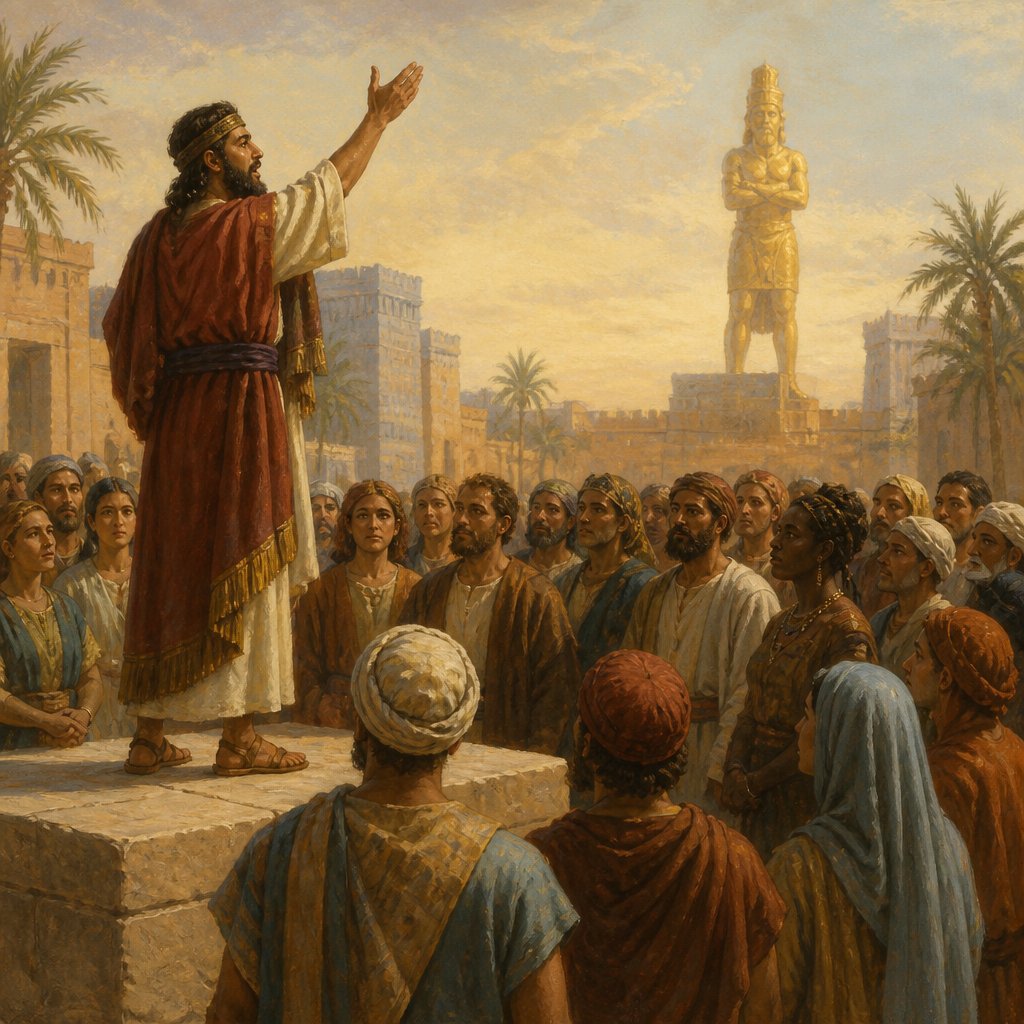
In the heart of the book of Daniel, we come face to face with a pivotal moment in the lives of three young Hebrew men: Shadrach, Meshach, and Abednego. Their story unfolds in Daniel 3:4, where we read, "Then an herald cried aloud, To you it is commanded, O people, nations, and languages." This verse, while it serves as a mere introduction to a grander narrative, holds profound implications for our walk of faith today.
The context of this verse is critical. King Nebuchadnezzar, in his pride and authority, has constructed a towering golden image and has summoned all the peoples of his kingdom to bow down before it. The herald's call echoes through the lands, demanding immediate attention and obedience. It is a powerful statement about the influence of leadership, the weight of authority, and the pressure of societal compliance. What does it mean to heed such a call? How do we, as modern believers, interpret the heralds that cry out in our own lives?
First, it is important to acknowledge the challenge posed by the herald’s command. The decree represents not only a test of loyalty but also a confrontation with the core of one’s convictions. The cry speaks to the collective and individual souls of the people—"O people, nations, and languages." There is a universality to this command, highlighting how easily the masses can be swept up in the tide of a popular opinion or a governmental decree. It invites reflection on how we respond when the world calls us to bow down—whether to cultural norms, pressures, or ideologies that contradict our faith.
In Daniel's narrative, we find that Shadrach, Meshach, and Abednego stood firm in their beliefs despite the deafening call of the herald. They understood that true allegiance belongs to God alone. This steadfastness in faith serves as a potent reminder for us today. In our current society, the heralds of materialism, distraction, and secularism are omnipresent. They call for our attention, promising comfort and acceptance if we conform to their demands. Yet, as Christians, we are encouraged to evaluate whether our responses align with what God has commanded.
The reality is that life will present us with many heralds demanding our submission to ideologies that stand against the truth of Scripture. In these moments, we are faced with a choice—to either acknowledge the authority of those heralds or to declare our allegiance to the King of Kings. The three faithful men did not simply reject the king's command; they chose to live out their convictions, fully aware that their refusal could lead to severe consequences, potentially death in the fiery furnace.
What does it take to stand firm against such pressures? It requires a prayerful heart, committed to seeking God’s truth over human approval. It requires an understanding of our identity in Christ, fortified by Scripture and a community of believers who can stand with us when the world tries to sway our faith. Like Shadrach, Meshach, and Abednego, we are called to demonstrate courage, not just in the face of life-threatening situations, but also in the seemingly mundane decisions we make daily.
As we continue through our lives and encounters with various heralds, let us be encouraged by the example set before us. When pressure mounts to conform, let those moments remind us of our greater commitment to the One who has saved us, who has called us by name, and who empowers us to live righteously. In every arena of influence—be it at work, at home, or within our communities—let us be renowned for our unwavering faith, not as a rejection of those around us, but as a testament to the truth we hold dear.
Let us pray earnestly for the strength akin to that of Shadrach, Meshach, and Abednego. May we hear the heralds of our day and respond with wisdom and integrity, fearless in our dedication to God’s commands, knowing that our loyalty will ultimately lead us closer to the heart of our Creator.
Get our apps


Artwork for Daniel 3:4

Daniel 3:4 - "Then an herald cried aloud, To you it is commanded, O people, nations, and languages,"
"Then an herald cried aloud, To you it is commanded, O people, nations, and languages," - Daniel 3:4

Daniel 4:1-3

Daniel 6:3-4 - "Daniel 6:3-4: Then this Daniel was preferred above the presidents and princes, because an excellent spirit was in him; and the king thought to set him over the whole realm. So the presidents and princes sought to find occasion against Daniel concerning the kingdom; but they could find none occasion nor fault; forasmuch as he was faithful, neither was there any error or fault found in him."

Daniel 4:3 - "How great are his signs! and how mighty are his wonders! his kingdom is an everlasting kingdom, and his dominion is from generation to generation."
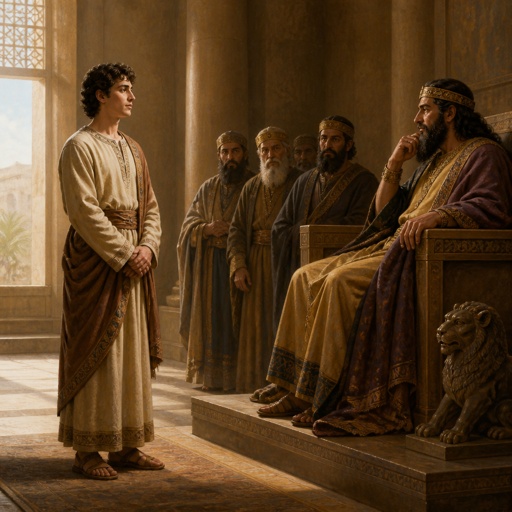
"Daniel 6:3-4: Then this Daniel was preferred above the presidents and princes, because an excellent spirit was in him; and the king thought to set him over the whole realm. So the presidents and princes sought to find occasion against Daniel concerning the kingdom; but they could find none occasion nor fault; forasmuch as he was faithful, neither was there any error or fault found in him." - Daniel 6:3-4

Daniel 4:15

Daniel 7:4

Daniel 5:4

Daniel 3:1

Daniel 5:3

Daniel 3:28

Daniel 3:25

Daniel 4:4 - "¶ I Nebuchadnezzar was at rest in mine house, and flourishing in my palace:"

Daniel 4:13-14

Daniel 4:10-14

Daniel 4:13-14

Daniel 6:3 - "Then this Daniel was preferred above the presidents and princes, because an excellent spirit was in him; and the king thought to set him over the whole realm."

Daniel 12:4 - "But thou, O Daniel, shut up the words, and seal the book, even to the time of the end: many shall run to and fro, and knowledge shall be increased."

Daniel 4:28 - "¶ All this came upon the king Nebuchadnezzar."

Daniel 4:8 - "¶ But at the last Daniel came in before me, whose name was Belteshazzar, according to the name of my god, and in whom is the spirit of the holy gods: and before him I told the dream, saying,"

Daniel 4:29 - "At the end of twelve months he walked in the palace of the kingdom of Babylon."

Daniel 3:30 - "Then the king promoted Shadrach, Meshach, and Abed-nego, in the province of Babylon."

Daniel 3:8 - "¶ Wherefore at that time certain Chaldeans came near, and accused the Jews."

Daniel 3:9 - "They spake and said to the king Nebuchadnezzar, O king, live for ever."

Daniel 6:4 - "¶ Then the presidents and princes sought to find occasion against Daniel concerning the kingdom; but they could find none occasion nor fault; forasmuch as he was faithful, neither was there any error or fault found in him."

Daniel 4:10-12 – Nebuchadnezzar’s dream of a tree.

Daniel 5:4 - "They drank wine, and praised the gods of gold, and of silver, of brass, of iron, of wood, and of stone."
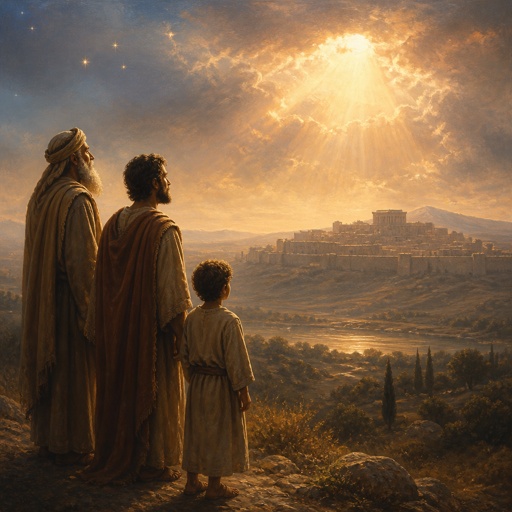
"How great are his signs! and how mighty are his wonders! his kingdom is an everlasting kingdom, and his dominion is from generation to generation." - Daniel 4:3
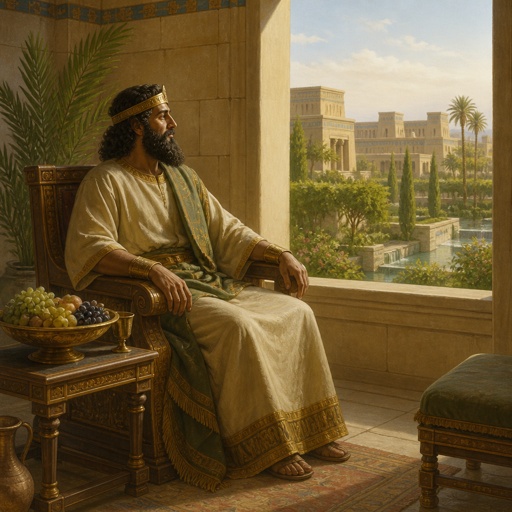
"¶ I Nebuchadnezzar was at rest in mine house, and flourishing in my palace:" - Daniel 4:4