The Sacredness of Worship: Seeking the Right Place for Our Offering
“Take heed to thyself that thou offer not thy burnt offerings in every place that thou seest:” — Deuteronomy 12:13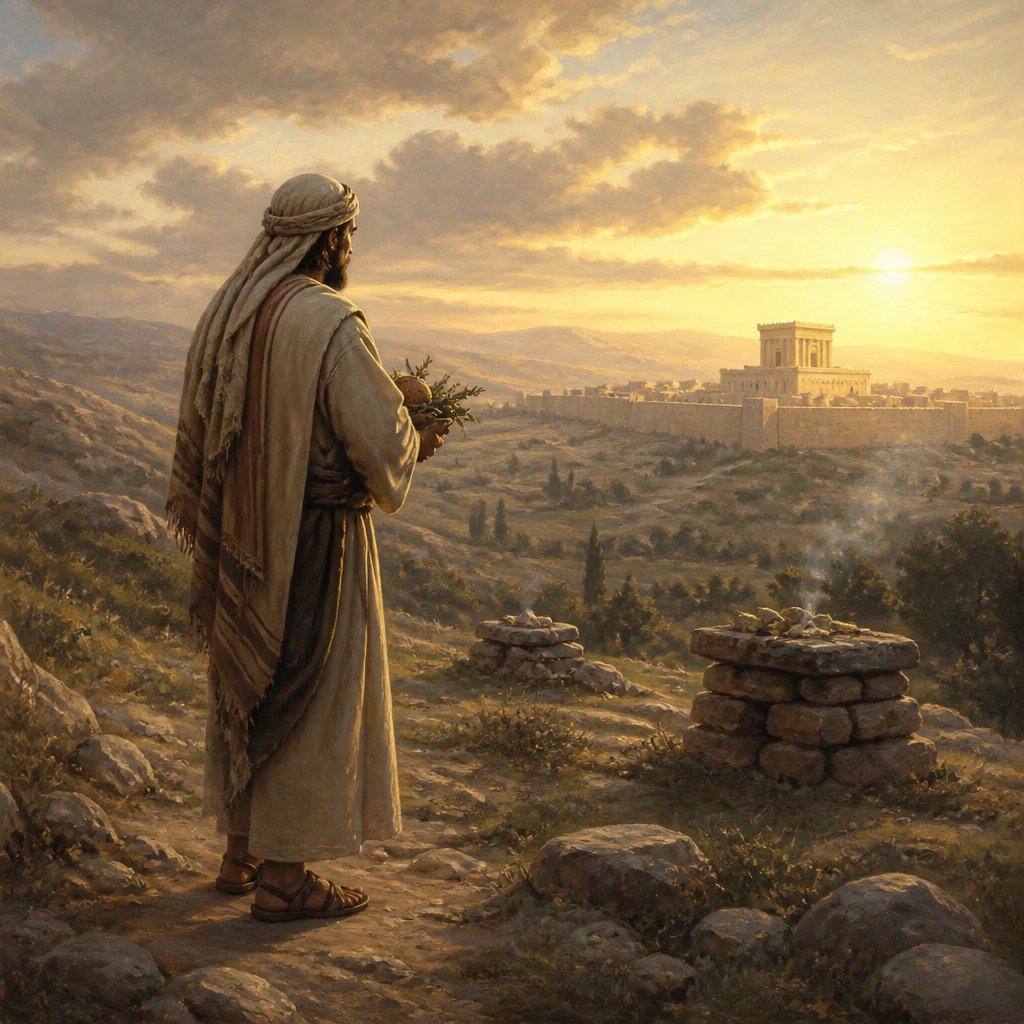
As we delve into the book of Deuteronomy, we encounter a passage that resonates deeply with the heart of worship and our relationship with God. Deuteronomy 12:13 states: "Take heed to thyself that thou offer not thy burnt offerings in every place that thou seest." These words, spoken by Moses to the Israelites, come laden with significance and a call to intentionality in worship.
### Understanding the Context
To fully appreciate this verse, it’s crucial to understand the context in which it was delivered. The Israelites were on the brink of entering the Promised Land, a land flowing with milk and honey, where they would establish their lives and, most importantly, their worship of God. They were surrounded by various peoples and cultures, each with their own forms of worship and sacrifices. In this setting, God, through Moses, issues a warning: not all places are suitable for offering sacrifices to Him.
### The Importance of Sacred Space
At first glance, this admonition might seem restrictive. However, it speaks to the essence of what worship should be. Sacred space is important because it signifies a designated area where God meets His people. Worship is not merely an act we perform; it is a relationship steeped in reverence and communion. The Israelites were instructed to bring their burnt offerings to the place that the Lord would choose (Deuteronomy 12:14), emphasizing that worship ought to be a deliberate act centered around God's presence. Just as God chose specific locations in the land, today, we too must seek out those sacred spaces—be it a church, a home of prayer, or even a quiet corner in our lives—where we can encounter God genuinely and unreservedly.
### The Danger of Casual Worship
In urging the Israelites to take heed, Moses highlights a critical danger: the temptation of casual worship. In a world filled with distractions and competing priorities, it can become easy to lose sight of the sacredness of our offering. When we treat our worship flippantly—offering our sacrifices "in every place that thou seest"—we risk diluting the power and purpose of our offerings to God. God demands our best, not our leftovers. He desires an authentic relationship, grounded in acknowledgement of His holiness and a response to His grace. This passage reminds us that where we worship matters; it isn't just about the action of offering, but the heart and intention behind it.
### Our Modern Burnt Offerings
In today's context, burnt offerings symbolize the sacrifices we make as a demonstration of our love and devotion to God. This can take many forms: time, talent, treasure, and the very essence of our lives. In Romans 12:1, Paul encourages us to present our bodies as living sacrifices, holy and acceptable to God. Each time we choose prayer over distraction, service over selfishness, or generosity over greed, we are presenting a burnt offering of sorts. Yet, we must pause and ask ourselves: are we being intentional about these offerings? Are we offering them from our hearts or just going through the motions?
### Seeking the Right Place
To remain true to the intent of Deuteronomy 12:13, we must seek the "right place" for our worship. This not only pertains to physical spaces but also pertains to the conditions of our hearts. We must cultivate environments—internally and externally—where God is honored, where His presence is welcomed, and where we can lay our offerings at His feet. This means creating intentional practices in our daily lives that draw us closer to Him. It involves accountability, community, and striving to uphold our worship in spirit and in truth (John 4:24).
### Conclusion
As we reflect on Moses’ warning, let us consider the weight of our worship. Our burnt offerings are not merely rituals; they are sacred expressions of our relationship with the Almighty. Let us heed the call to be intentional, to seek the right places—those places that honor God and align with His heart. Only then can we fully experience the depth of the relationship He longs for us to have. Let us choose areas of our lives that reflect His holiness and cultivate a lifestyle of worship that glorifies Him in every aspect.
Get our apps


Artwork for Deuteronomy 12:13

Deuteronomy 12:13 - "Take heed to thyself that thou offer not thy burnt offerings in every place that thou seest:"
"Take heed to thyself that thou offer not thy burnt offerings in every place that thou seest:" - Deuteronomy 12:13

Deuteronomy 13:12 - "¶ If thou shalt hear say in one of thy cities, which the LORD thy God hath given thee to dwell there, saying,"
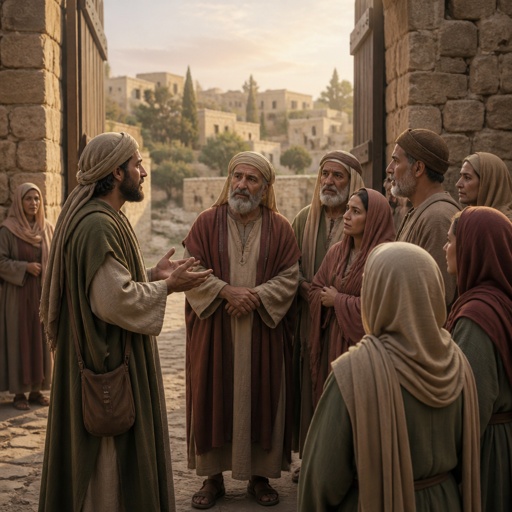
"¶ If thou shalt hear say in one of thy cities, which the LORD thy God hath given thee to dwell there, saying," - Deuteronomy 13:12

Deuteronomy 14:13 - "And the glede, and the kite, and the vulture after his kind,"

Deuteronomy 18:13 - "Thou shalt be perfect with the LORD thy God."

Deuteronomy 17:13 - "And all the people shall hear, and fear, and do no more presumptuously."

Deuteronomy 14:12 - "But these are they of which ye shall not eat: the eagle, and the ossifrage, and the ospray,"

Deuteronomy 24:12 - "And if the man be poor, thou shalt not sleep with his pledge:"

Deuteronomy 12:4 - "Ye shall not do so unto the LORD your God."

Deuteronomy 25:13 - "¶ Thou shalt not have in thy bag divers weights, a great and a small."

Deuteronomy 5:13 - "Six days thou shalt labour, and do all thy work:"

Deuteronomy 22:13 - "¶ If any man take a wife, and go in unto her, and hate her,"

1 Corinthians 12:12-13

Deuteronomy 12:24 - "Thou shalt not eat it; thou shalt pour it upon the earth as water."

Deuteronomy 32:12 - "So the LORD alone did lead him, and there was no strange god with him."

Deuteronomy 29:12-13 - "That you may enter into the covenant with the Lord your God, and into His oath, which the Lord your God makes with you today, that He may establish you today as a people for Himself, and that He may be God to you, just as He has spoken to you, and just as He has sworn to your fathers, to Abraham, Isaac, and Jacob."

Deuteronomy 13:1 - "If there arise among you a prophet, or a dreamer of dreams, and giveth thee a sign or a wonder,"

Deuteronomy 5:12 - "Keep the sabbath day to sanctify it, as the LORD thy God hath commanded thee."

Deuteronomy 20:12 - "And if it will make no peace with thee, but will make war against thee, then thou shalt besiege it:"

Deuteronomy 12:9 - "For ye are not as yet come to the rest and to the inheritance, which the LORD your God giveth you."

Deuteronomy 6:13 - "Thou shalt fear the LORD thy God, and serve him, and shalt swear by his name."

Deuteronomy 13:11 - "And all Israel shall hear, and fear, and shall do no more any such wickedness as this is among you."

Deuteronomy 12:19 - "Take heed to thyself that thou forsake not the Levite as long as thou livest upon the earth."

Deuteronomy 12:16 - "Only ye shall not eat the blood; ye shall pour it upon the earth as water."

Deuteronomy 27:13 - "And these shall stand upon mount Ebal to curse; Reuben, Gad, and Asher, and Zebulun, Dan, and Naphtali."

Deuteronomy 10:13 - "To keep the commandments of the LORD, and his statutes, which I command thee this day for thy good?"

Deuteronomy 16:12 - "And thou shalt remember that thou wast a bondman in Egypt: and thou shalt observe and do these statutes."
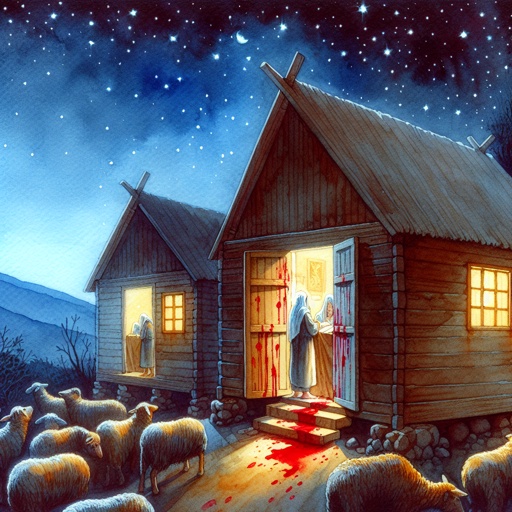
Exodus 12:13

Deuteronomy 34:12 - "And in all that mighty hand, and in all the great terror which Moses shewed in the sight of all Israel."