The Sacred Act of Sacrifice: Understanding Deuteronomy 12:27
"And thou shalt offer thy burnt offerings, the flesh and the blood, upon the altar of the LORD thy God: and the blood of thy sacrifices shall be poured out upon the altar of the LORD thy God, and thou shalt eat the flesh." - Deuteronomy 12:27
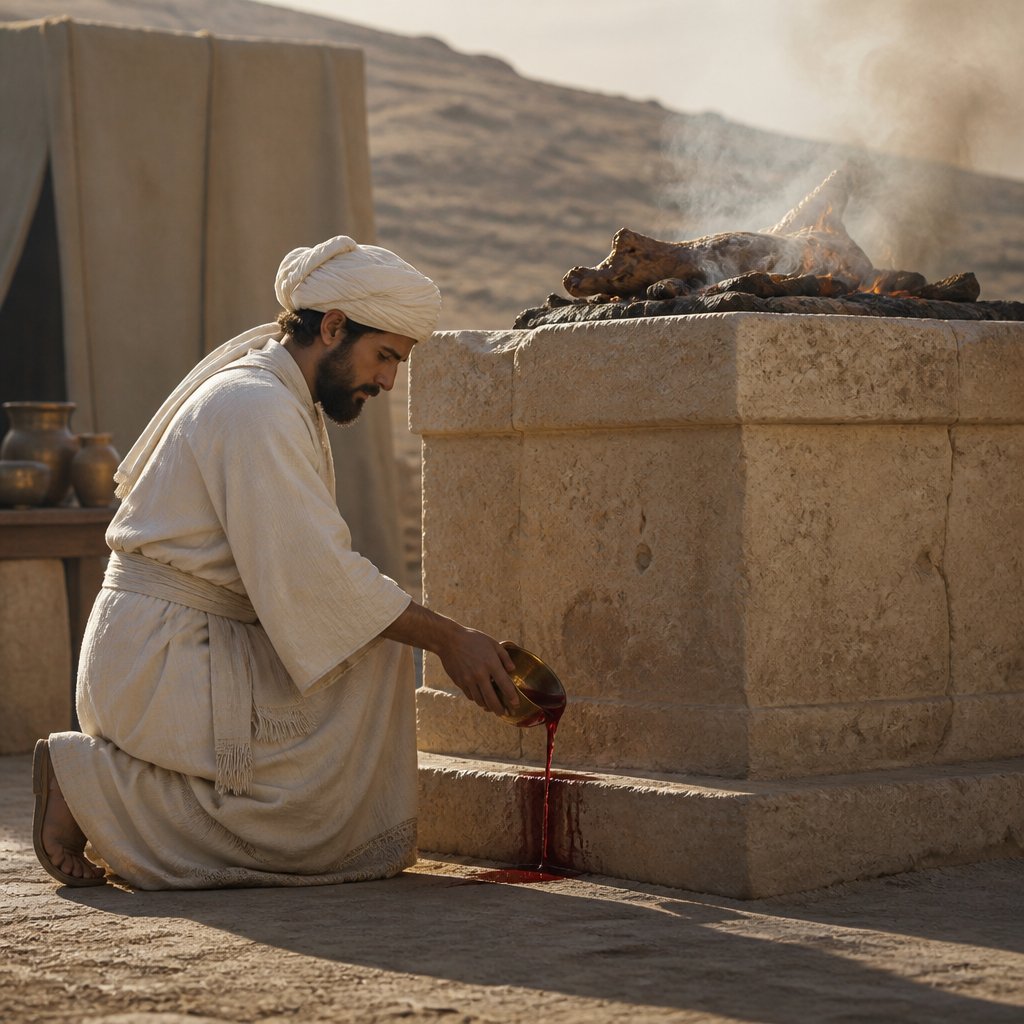
Deuteronomy 12:27 states: "And thou shalt offer thy burnt offerings, the flesh and the blood, upon the altar of the LORD thy God: and the blood of thy sacrifices shall be poured out upon the altar of the LORD thy God, and thou shalt eat the flesh." This verse encapsulates the essence of sacrifice within the Old Testament law, serving both as a commandment and an invitation into deeper communion with God.
As we explore the significance of sacrifices in ancient Israelite culture, we find elements that resonate profoundly within our own spiritual journey today. Sacrifice, in biblical terms, was not simply about the act of offering; it carried immense weight concerning the relationship between God and His people. Each offering was a recognition of God’s sovereignty, mercy, and the covenant He established with His chosen. In the context of Deuteronomy, Moses is reinforcing the importance of worship that is rooted in reverence and obedience to God’s commandments.
The physical act of offering sacrifices involved the presentation of the best of one’s flock. In Leviticus, specific requirements were laid out detailing that these offerings must be without blemish. This requirement pointed toward a deeper truth — that God deserves not our leftovers or our mediocre efforts but our best, as an expression of love and honor. This principle transcends the act of sacrifice and applies to our daily lives, challenging us to give our best time, talents, and treasures to God.
When we look closely at the components of the offering detailed in Deuteronomy 12:27, we note that both the flesh and the blood had critical roles in the act of sacrifice. The blood, symbolic of life, was poured out upon the altar, signifying the cost of atonement. Blood represents not only death but also the new covenant. For the Israelites, the shedding of blood was a means of cleansing and restoring their relationship with God. In light of the New Testament, this imagery is vivid as we come to understand the ultimate sacrifice of Jesus Christ, whose blood was poured out for the salvation of humanity. "For without the shedding of blood, there is no remission of sins" (Hebrews 9:22).
The eating of the flesh signifies communion and fellowship with the Lord. After the offerings were presented and the blood poured out, the eating of the flesh was an act that allowed the worshippers to partake in the blessing of the sacrifice. They didn’t just witness God’s provision; they experienced it. Each meal shared in reverence was a reminder of God’s presence among them, transforming the act of sacrifice into an intimate communion and relationship. How often do we miss out on this fellowship today? In our modern churches, we might gloss over the depth of fellowship that was inherent in the act of communion, taking time to enjoy God’s provision rather than rushing through.
Moreover, God’s command to sacrifice points towards a heart issue — a call to true worship. God desires our hearts to be aligned with His purpose, echoing throughout the ages to “Love the Lord your God with all your heart, with all your soul, and with all your strength” (Deuteronomy 6:5). Bringing our best in sacrifice becomes a transformative act; as we emulate Christ's sacrifice, we step into a lifestyle of surrender and dedication.
As we conclude our understanding of Deuteronomy 12:27, let us reflect on what sacrifices we are bringing before God today. Are we offering our best, recognizing the fullness of what Christ has sacrificed for us, and embracing the communal aspect of our faith? Let us be encouraged to pour out our lives as living sacrifices, holy and acceptable unto God (Romans 12:1), and in doing so, deepen our relationship with Him and with one another. May our worship become not just a ritual but a fragrant offering arising from hearts fully devoted to God.
Want to reflect more on Deuteronomy 12:27?
Continue your spiritual journey with Bible Chat — an AI-powered tool for exploring God's Word through conversation. Ask questions, discover connections, and deepen your understanding.
Get Our Apps


Deuteronomy 12:27 Artwork
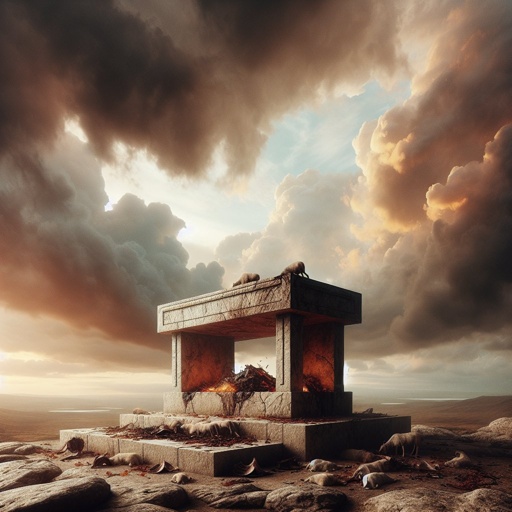
Deuteronomy 12:27 - "And thou shalt offer thy burnt offerings, the flesh and the blood, upon the altar of the LORD thy God: and the blood of thy sacrifices shall be poured out upon the altar of the LORD thy God, and thou shalt eat the flesh."
"And thou shalt offer thy burnt offerings, the flesh and the blood, upon the altar of the LORD thy God: and the blood of thy sacrifices shall be poured out upon the altar of the LORD thy God, and thou shalt eat the flesh." - Deuteronomy 12:27
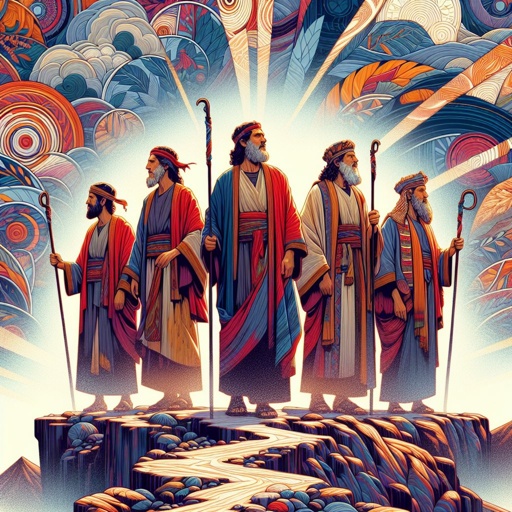
Deuteronomy 27:12 - "These shall stand upon mount Gerizim to bless the people, when ye are come over Jordan; Simeon, and Levi, and Judah, and Issachar, and Joseph, and Benjamin:"

Deuteronomy 27:11 - "¶ And Moses charged the people the same day, saying,"

Deuteronomy 27:14 - "¶ And the Levites shall speak, and say unto all the men of Israel with a loud voice,"

Deuteronomy 27:8 - "And thou shalt write upon the stones all the words of this law very plainly."

Deuteronomy 22:27 - "For he found her in the field, and the betrothed damsel cried, and there was none to save her."
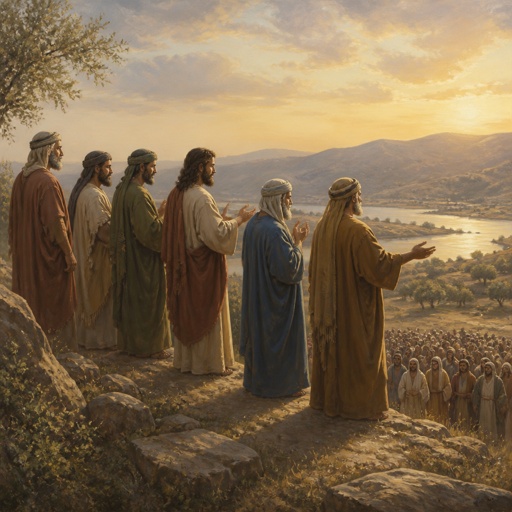
"These shall stand upon mount Gerizim to bless the people, when ye are come over Jordan; Simeon, and Levi, and Judah, and Issachar, and Joseph, and Benjamin:" - Deuteronomy 27:12

Deuteronomy 27:21 - "Cursed be he that lieth with any manner of beast. And all the people shall say, Amen."

Deuteronomy 29:27 - "And the anger of the LORD was kindled against this land, to bring upon it all the curses that are written in this book:"

Deuteronomy 27:17 - "Cursed be he that removeth his neighbour's landmark. And all the people shall say, Amen."

Deuteronomy 27:24 - "Cursed be he that smiteth his neighbour secretly. And all the people shall say, Amen."

Deuteronomy 27:23 - "Cursed be he that lieth with his mother in law. And all the people shall say, Amen."

Deuteronomy 28:27 - "The LORD will smite thee with the botch of Egypt, and with the emerods, and with the scab, and with the itch, whereof thou canst not be healed."

Deuteronomy 27:19 - "Cursed be he that perverteth the judgment of the stranger, fatherless, and widow. And all the people shall say, Amen."

Deuteronomy 11:27 - "A blessing, if ye obey the commandments of the LORD your God, which I command you this day:"

Deuteronomy 27:18 - "Cursed be he that maketh the blind to wander out of the way. And all the people shall say, Amen."

Deuteronomy 27:7 - "And thou shalt offer peace offerings, and shalt eat there, and rejoice before the LORD thy God."

Deuteronomy 27:13 - "And these shall stand upon mount Ebal to curse; Reuben, Gad, and Asher, and Zebulun, Dan, and Naphtali."

Deuteronomy 27:25 - "Cursed be he that taketh reward to slay an innocent person. And all the people shall say, Amen."

Deuteronomy 27:26 - "Cursed be he that confirmeth not all the words of this law to do them. And all the people shall say, Amen."

Deuteronomy 27:16 - "Cursed be he that setteth light by his father or his mother. And all the people shall say, Amen."

1 Corinthians 12:27

Deuteronomy 27:1 - "And Moses with the elders of Israel commanded the people, saying, Keep all the commandments which I command you this day."

"¶ And Moses charged the people the same day, saying," - Deuteronomy 27:11

Deuteronomy 9:27 - "Remember thy servants, Abraham, Isaac, and Jacob; look not unto the stubbornness of this people, nor to their wickedness, nor to their sin:"
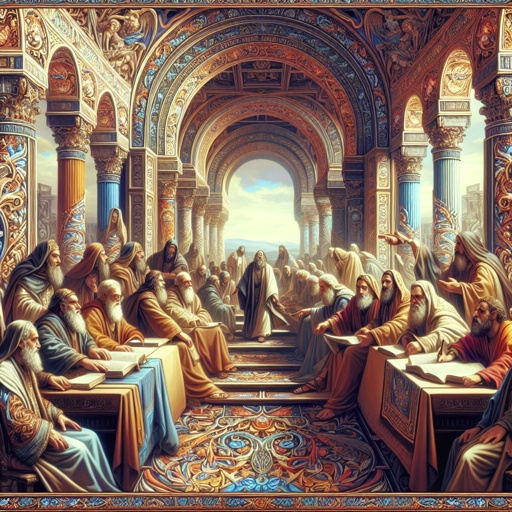
Deuteronomy 14:27 - "And the Levite that is within thy gates; thou shalt not forsake him; for he hath no part nor inheritance with thee."

Deuteronomy 14:12 - "But these are they of which ye shall not eat: the eagle, and the ossifrage, and the ospray,"

Deuteronomy 24:12 - "And if the man be poor, thou shalt not sleep with his pledge:"

Deuteronomy 12:4 - "Ye shall not do so unto the LORD your God."