Feasting on His Provisions: A Lesson from Deuteronomy 14:4
"These are the beasts which ye shall eat: the ox, the sheep, and the goat," - Deuteronomy 14:4
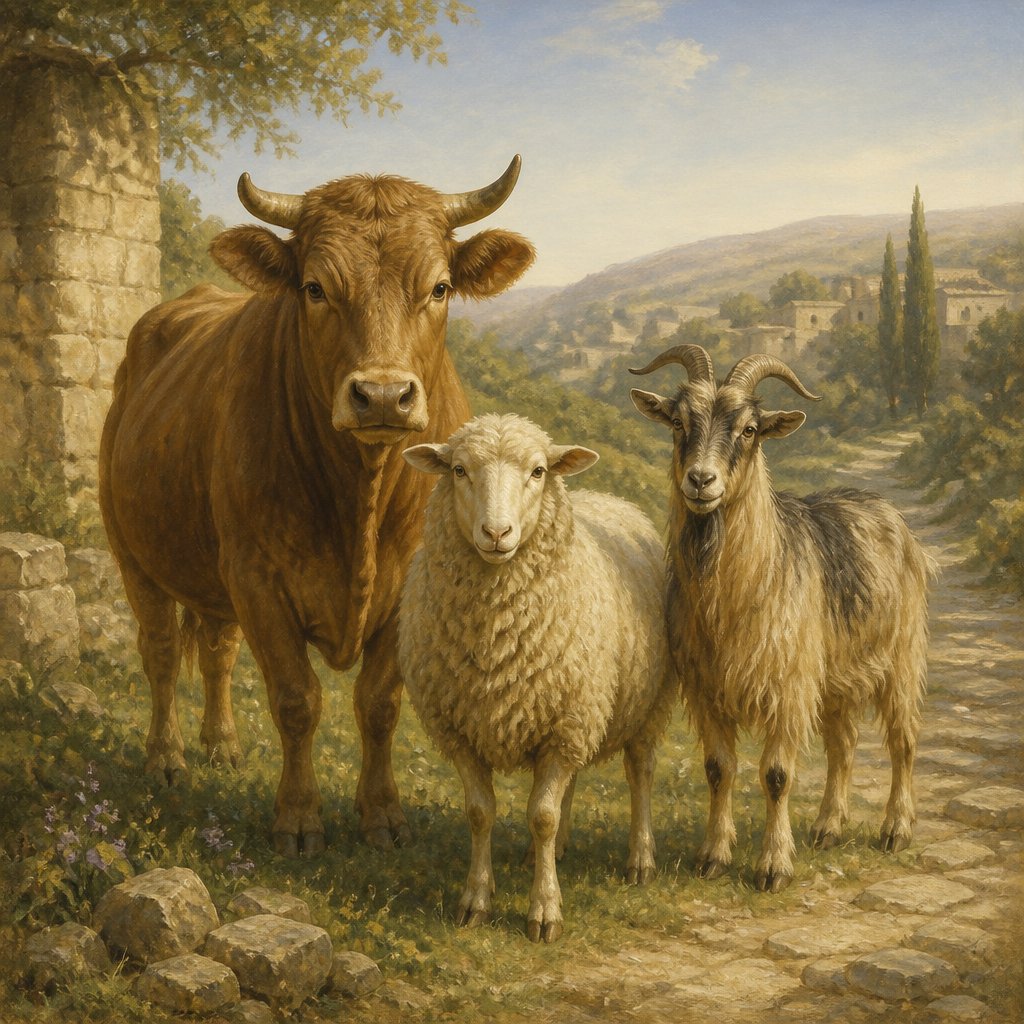
In the book of Deuteronomy, we find God outlining the dietary laws that the Israelites were to follow. Among them, Deuteronomy 14:4 states, "These are the beasts which ye shall eat: the ox, the sheep, and the goat." This simple verse opens up a rich landscape of spiritual meaning and insight regarding God’s providence and the relationship between the Creator and His people.
To truly appreciate this scripture, we must first delve into the historical context. The Israelites were recently delivered from the bondage of Egypt, a land filled with idol worship, including the veneration of animals. Among them, the ox and lamb held significant religious implications. By declaring specific animals permissible for consumption, God was not merely offering a dietary preference; He was establishing a framework that would help His people to distinguish themselves from the nations surrounding them. In these selections, we see God’s wisdom in creating boundaries that promote holiness, obedience, and an identity tied to Him.
The ox, the sheep, and the goat represent more than animals on a plate; they represent sustenance and provision. God is drawing His people into a deeper understanding of the significance of what they consume. By blessing certain animals for food, God assures His people of His ongoing provision for their needs. The act of eating becomes an acknowledgment of dependence upon Him. Every meal serves as a reminder of His goodness and generosity. In modern times, such reminders can be easily overlooked, but when we consider our meals as providential gifts from God, every bite can become an act of worship.
Moreover, the ox, sheep, and goat each symbolize roles in the sacrificial system that would soon be instituted. The sheep, for instance, points to the ultimate sacrificial Lamb, Jesus Christ, who would come to redeem humanity. By including these specific animals, God foreshadows a greater reality where sacrifice becomes central to our relationship with Him. As believers, we are invited to reflect on the significance of sacrifice—not only of Christ but also in our daily lives as we present ourselves as living sacrifices. Therefore, through the simple acknowledgment of our food choices and the gratitude that ought to accompany them, we foster a heart willing to live for Him.
Furthermore, the dietary laws provided an opportunity for the Israelites to cultivate discernment and discipline. The restriction to certain animals would keep them in close adherence to God’s commands, nurturing a lifestyle steeped in obedience. This discipline is not only relevant for ancient Israel but remains significant for Christians today. The modern believer is often confronted with choices that challenge their convictions. Just as the Israelites exercised discernment in their dietary practices, we too must be vigilant in nurturing a lifestyle consistent with God’s calling, recognizing that the choices we make can draw us nearer to Him or lead us astray.
Ultimately, Deuteronomy 14:4 invites us to a feast of reflection on God’s goodness, discernment in our decisions, and an appreciation for His provision. When we gather around the table, may we always remember that every meal is not just a meal; it is an invitation to communion with God and a reminder of the grace we have been freely given. As we partake in the abundant blessings of life, let us be encouraged to share that bounty with others, reflecting God’s love and provision to a world hungry for hope and nourishment.
As we meditate on this verse, let it provoke us to consider how we use the blessings of sustenance in our lives and how they indeed can be a means of deeper faith, reflecting every aspect of our lives back to God in thanksgiving.
Want to reflect more on Deuteronomy 14:4?
Continue your spiritual journey with Bible Chat — an AI-powered tool for exploring God's Word through conversation. Ask questions, discover connections, and deepen your understanding.
Get Our Apps


Deuteronomy 14:4 Artwork

Deuteronomy 14:4 - "These are the beasts which ye shall eat: the ox, the sheep, and the goat,"
"These are the beasts which ye shall eat: the ox, the sheep, and the goat," - Deuteronomy 14:4

Deuteronomy 4:14 - "¶ And the LORD commanded me at that time to teach you statutes and judgments, that ye might do them in the land whither ye go over to possess it."

Deuteronomy 14:14 - "And every raven after his kind,"

Deuteronomy 14:17 - "And the pelican, and the gier eagle, and the cormorant,"

"And every raven after his kind," - Deuteronomy 14:14

Deuteronomy 14:16 - "The little owl, and the great owl, and the swan,"

Deuteronomy 14:3 - "¶ Thou shalt not eat any abominable thing."

Deuteronomy 14:11 - "¶ Of all clean birds ye shall eat."

Deuteronomy 14:20 - "But of all clean fowls ye may eat."

Deuteronomy 14:13 - "And the glede, and the kite, and the vulture after his kind,"

Deuteronomy 14:18 - "And the stork, and the heron after her kind, and the lapwing, and the bat."

Deuteronomy 14:12 - "But these are they of which ye shall not eat: the eagle, and the ossifrage, and the ospray,"

Deuteronomy 26:4-10

Deuteronomy 14:15 - "And the owl, and the night hawk, and the cuckow, and the hawk after his kind,"

Deuteronomy 29:14 - "Neither with you only do I make this covenant and this oath;"

Deuteronomy 26:4-10

Deuteronomy 4:4 - "But ye that did cleave unto the LORD your God are alive every one of you this day."

Deuteronomy 14:19 - "And every creeping thing that flieth is unclean unto you: they shall not be eaten."

Deuteronomy 25:14 - "Thou shalt not have in thine house divers measures, a great and a small."

"And the pelican, and the gier eagle, and the cormorant," - Deuteronomy 14:17

Deuteronomy 27:14 - "¶ And the Levites shall speak, and say unto all the men of Israel with a loud voice,"

Deuteronomy 14:10 - "And whatsoever hath not fins and scales ye may not eat; it is unclean unto you."

Deuteronomy 14:5 - "The hart, and the roebuck, and the fallow deer, and the wild goat, and the pygarg, and the wild ox, and the chamois."

Deuteronomy 33:14 - "And for the precious fruits brought forth by the sun, and for the precious things put forth by the moon,"
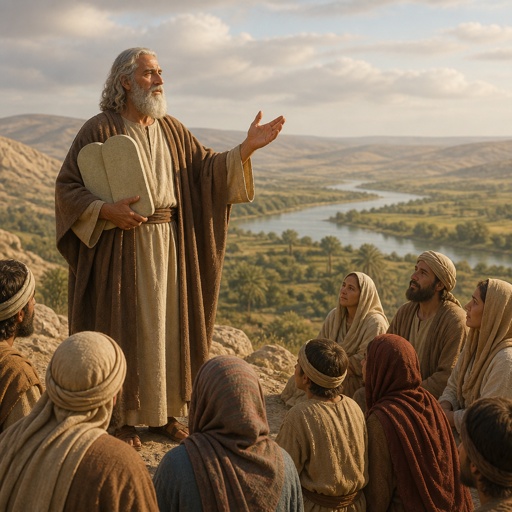
"¶ And the LORD commanded me at that time to teach you statutes and judgments, that ye might do them in the land whither ye go over to possess it." - Deuteronomy 4:14

Deuteronomy 34:1-4 – Moses views the Promised Land from Mount Nebo.

Deuteronomy 34:1-4 – Moses views the Promised Land from Mount Nebo.

Deuteronomy 34:1-4 – Moses views the Promised Land from Mount Nebo.

Deuteronomy 10:14 - "Behold, the heaven and the heaven of heavens is the LORD'S thy God, the earth also, with all that therein is."