Sanctifying Our First Fruits: A Reflection on Deuteronomy 15:19
"All the firstling males that come of thy herd and of thy flock thou shalt sanctify unto the LORD thy God: thou shalt do no work with the firstling of thy bullock, nor shear the firstling of thy sheep." - Deuteronomy 15:19
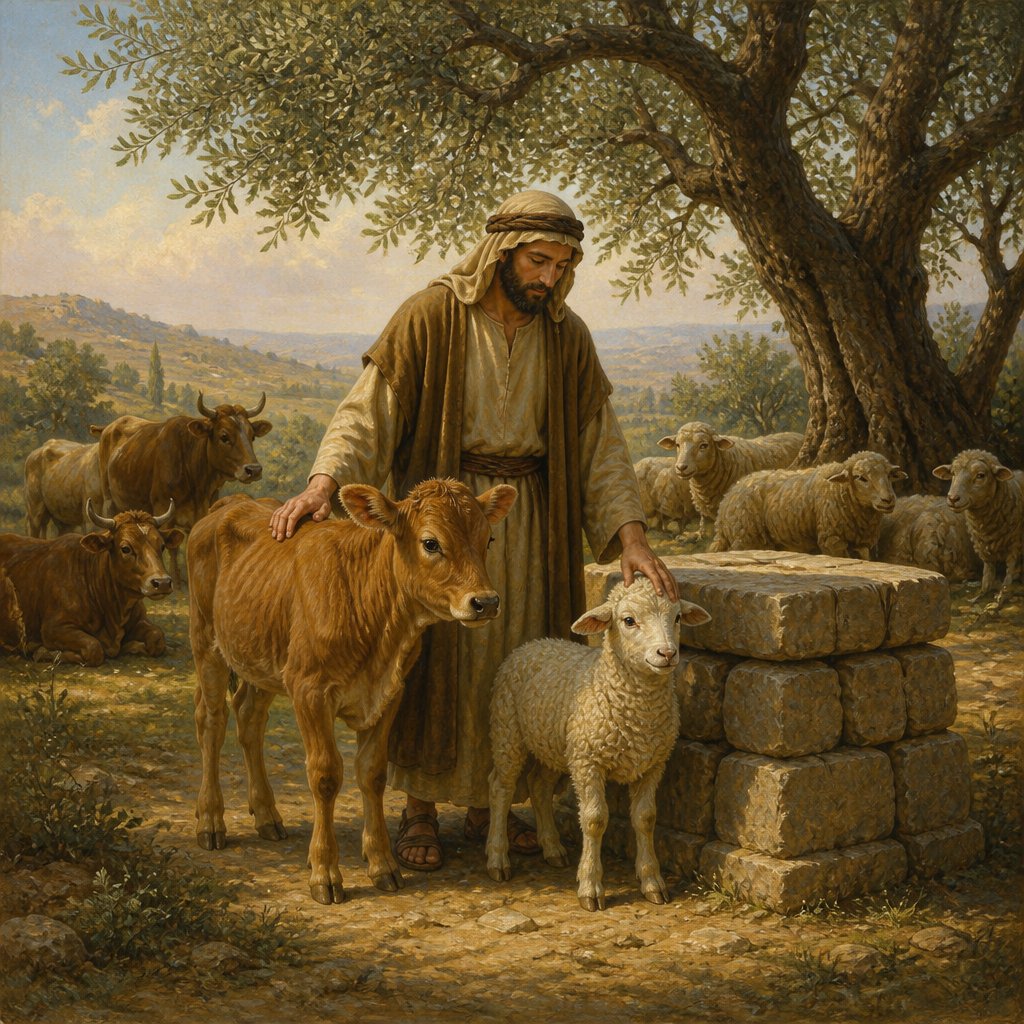
In Deuteronomy 15:19, we read the directive from God, stating: "All the firstling males that come of thy herd and of thy flock thou shalt sanctify unto the LORD thy God: thou shalt do no work with the firstling of thy bullock, nor shear the firstling of thy sheep." This verse speaks volumes about the principle of sanctification and the importance of dedicating our first fruits to God. As we delve deeper into this scriptural exhortation, it bears reflecting upon both its historical context and its implications for our personal lives today.
In the ancient Israelite society, the agricultural and pastoral economy was vital. The firstborn of the animals represented not just a point of pride but also the initial blessings of each season’s harvest. In sanctifying the firstling males, the Israelites were recognizing that God was the source of these blessings. This practice would remind them that everything they had was a provision from the LORD. By giving the first of their increase back to God, they were committing to a life of faith and gratitude. They were putting God first in their lives, acknowledging His lordship over their possessions.
The commandment does not just address animals but extends to our own lives. Whatever "firstlings" we experience—be they our time, our talents, or treasures—should be set apart for God’s glory. This sanctification is not just a ritual; it signifies a heart attitude that prioritizes God above all else. The phrase “thou shalt do no work with the firstling” teaches us that we are to refrain from using these primary blessings for our own gain. Those firstlings were meant to be dedicated entirely to God, signifying trust in His provision and a willingness to live according to His will.
When we consider how we can view our first fruits in modern contexts, we might think about how we allocate our time and resources. Do we reserve our best efforts, prayers, and time for the things of God, or do we save the leftovers for Him? In our busy lives filled with responsibilities, distractions, and endless activities, it’s easy to approach God with what little time we have left at the end of the day. However, God desires our first and best, not merely what remains after we've satisfied our own desires. We can reflect on our commitments: Are they built upon the foundation of prioritizing God in all things?
Sanctifying our first fruits can also mean committing the early part of our days to God. As we rise, we can dedicate our plans, aspirations, and even our struggles in prayer. Starting our day with a heart attuned to God can ensure that He remains at the forefront of our decision-making, interactions, and pursuits.
Sanctification is crucial not only because it blesses God, but it in-turn blesses us. When we offer our first and best to God, we cultivate an environment where He can work marvelously in our lives. God honors those who honor Him. As we give our first fruits—symbolically and tangibly—we participate in His divine economy, where everything we lay down causes us to reap abundantly.
In conclusion, Deuteronomy 15:19 is a call to worship and acknowledgment of our reliance upon God’s grace. As we consider the firstlings of our lives, let us give due practice to dedicating our best to God, for in this sacred act, we affirm Him as the foremost priority in our lives. Let us set aside time to contemplate how we may offer our first fruits—our time, our talents, and our treasures—as we seek to walk closely with our Lord and Savior. May we always remember that in dedicating our first, we are not losing anything; rather, we are gaining a deeper relationship with Him who gives abundantly.
Want to reflect more on Deuteronomy 15:19?
Continue your spiritual journey with Bible Chat — an AI-powered tool for exploring God's Word through conversation. Ask questions, discover connections, and deepen your understanding.
Get Our Apps


Deuteronomy 15:19 Artwork

Deuteronomy 15:19 - "¶ All the firstling males that come of thy herd and of thy flock thou shalt sanctify unto the LORD thy God: thou shalt do no work with the firstling of thy bullock, nor shear the firstling of thy sheep."
"¶ All the firstling males that come of thy herd and of thy flock thou shalt sanctify unto the LORD thy God: thou shalt do no work with the firstling of thy bullock, nor shear the firstling of thy sheep." - Deuteronomy 15:19

Deuteronomy 19:15 - "¶ One witness shall not rise up against a man for any iniquity, or for any sin, in any sin that he sinneth: at the mouth of two witnesses, or at the mouth of three witnesses, shall the matter be established."

Deuteronomy 30:19:

Deuteronomy 5:19 - "Neither shalt thou steal."

Deuteronomy 3:15 - "And I gave Gilead unto Machir."

Deuteronomy 10:19 - "Love ye therefore the stranger: for ye were strangers in the land of Egypt."

Deuteronomy 14:19 - "And every creeping thing that flieth is unclean unto you: they shall not be eaten."

Deuteronomy 14:15 - "And the owl, and the night hawk, and the cuckow, and the hawk after his kind,"

Deuteronomy 15:1 - "At the end of every seven years thou shalt make a release."

Genesis 15:19

Deuteronomy 33:15 - "And for the chief things of the ancient mountains, and for the precious things of the lasting hills,"

Genesis 19-15

Deuteronomy 19:7 - "Wherefore I command thee, saying, Thou shalt separate three cities for thee."

Deuteronomy 6:19 - "To cast out all thine enemies from before thee, as the LORD hath spoken."

"Neither shalt thou steal." - Deuteronomy 5:19

Deuteronomy 15:15 - "And thou shalt remember that thou wast a bondman in the land of Egypt, and the LORD thy God redeemed thee: therefore I command thee this thing to day."

Deuteronomy 19:16 - "¶ If a false witness rise up against any man to testify against him that which is wrong;"

Deuteronomy 27:19 - "Cursed be he that perverteth the judgment of the stranger, fatherless, and widow. And all the people shall say, Amen."

Deuteronomy 19:19 - "Then shall ye do unto him, as he had thought to have done unto his brother: so shalt thou put the evil away from among you."

Deuteronomy 12:19 - "Take heed to thyself that thou forsake not the Levite as long as thou livest upon the earth."

Genesis 15:19 - "The Kenites, and the Kenizzites, and the Kadmonites,"

Deuteronomy 28:19 - "Cursed shalt thou be when thou comest in, and cursed shalt thou be when thou goest out."

Deuteronomy 32:19 - "And when the LORD saw it, he abhorred them, because of the provoking of his sons, and of his daughters."

John 21:15-19

Luke 21:15-19

Deuteronomy 31:15 - "And the LORD appeared in the tabernacle in a pillar of a cloud: and the pillar of the cloud stood over the door of the tabernacle."

Deuteronomy 11:15 - "And I will send grass in thy fields for thy cattle, that thou mayest eat and be full."

Deuteronomy 30:15 - "¶ See, I have set before thee this day life and good, and death and evil;"

Deuteronomy 15:23 - "Only thou shalt not eat the blood thereof; thou shalt pour it upon the ground as water."