The Beauty of a Blameless Offering
“Thou shalt not sacrifice unto the LORD thy God any bullock, or sheep, wherein is blemish, or any evilfavouredness: for that is an abomination unto the LORD thy God.” — Deuteronomy 17:1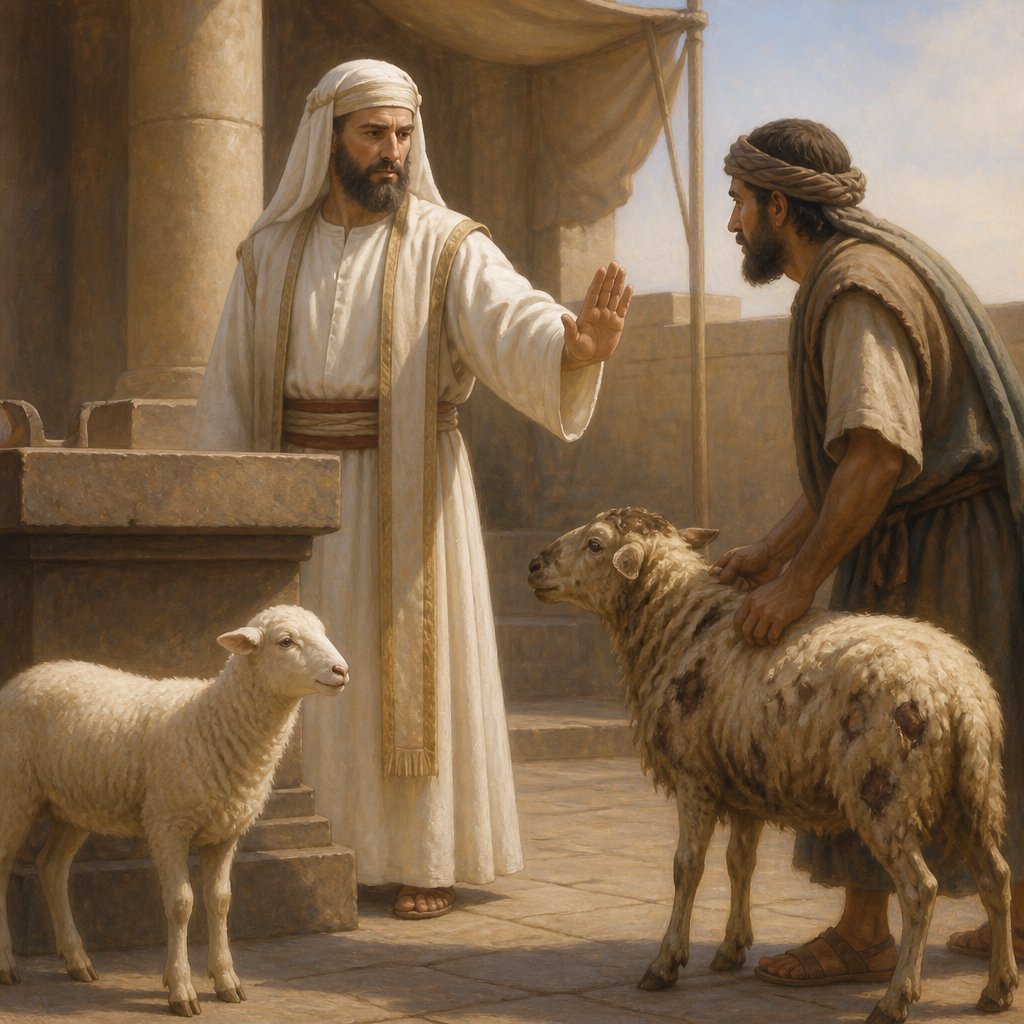
In our journey of faith, we often find ourselves faced with the concept of sacrifice, particularly in relation to worship and adoration of our Creator. The verse from Deuteronomy 17:1 resonates deeply: "Thou shalt not sacrifice unto the LORD thy God any bullock, or sheep, wherein is blemish, or any evilfavouredness: for that is an abomination unto the LORD thy God." Herein lies a profound truth about the nature of our offerings before God.
At the heart of this scripture is the directive for purity in sacrifice. God, through this law, is highlighting the value of offering Him something that is without blemish, something that reflects honor and reverence for His divine nature. In the agrarian society of ancient Israel, animals were often used in sacrifices to atone for sins or express gratitude. The stipulation against blemished animals is not about God being frivolous or picky; rather, it is a call for His people to recognize the holiness of their God and the seriousness of honoring Him appropriately.
To explore this verse further, we must consider what a blemished sacrifice symbolizes within our spiritual lives. A blemished animal signifies a lack of effort in maintaining the standards of perfection and dedication in our worship. It reflects a temptation to offer to God what is second-rate or what we would otherwise reject. The Lord desires not just any offering, but a heartfelt and sincere commitment to excellence in how we honor Him. When we consider our own lives and the offerings we bring to God, it begs the question: are we giving Him the best of ourselves?
In the New Testament, we are called to present our bodies as living sacrifices, holy and acceptable unto God (Romans 12:1). The spirit of Deuteronomy 17:1 continues to ring true; our sacrifices today still require us to be mindful of purity and intent. Our worship, our service, and our offerings reflect our relationship with Christ. Are we sacrificing our time, talents, and treasures with a spirit of excellence, or are we content with minimal effort?
Furthermore, the phrase ‘evil favouredness’ indicates a tendency to choose the more comfortable or advantageous path when making offerings to God. This can be particularly relevant in contemporary Christian life, where convenience often trumps commitment. God is not interested in half-hearted attempts to pacify Him; He desires our full devotion and engagement in every aspect of our lives. A life lived in accordance with His standards not only brings glory to Him but also enriches our spiritual journey, drawing us closer to His heart.
The notion of the abomination towards blemished offerings serves as a stark warning against complacency in our spiritual life. Have we grown comfortable offering God the leftovers of our time and energy? Have we muted our devotion in favor of cultural norms or our personal schedules? God continually calls us back to integrity in our worship practices. Each time we approach Him, it is an opportunity to lay down something precious — not merely out of obligation, but out of genuine adoration and service.
Consequently, we should reflect on what it means to offer our best to God not only in acts of worship but also in the way we live our daily lives. Let every interaction, every decision, reflect His holiness and the beauty of His sacrifice. As we strive for perfection in our relationship with Him, we are reminded of the ultimate sacrifice made through Christ — perfect and without blemish. Our call then is to mirror that sacrifice in our offerings.
Let us pray today for a heart that desires to give nothing but our best to the Lord. May we be purveyors of His love and grace, seeking to honor Him always. As we respond to His commands, let every offering we bring signify our love and devotion to the God who deserves all glory.
Get our apps


Artwork for Deuteronomy 17:1

Deuteronomy 17:1 - "Thou shalt not sacrifice unto the LORD thy God any bullock, or sheep, wherein is blemish, or any evilfavouredness: for that is an abomination unto the LORD thy God."
"Thou shalt not sacrifice unto the LORD thy God any bullock, or sheep, wherein is blemish, or any evilfavouredness: for that is an abomination unto the LORD thy God." - Deuteronomy 17:1

Deuteronomy 5:17 - "Thou shalt not kill."

Deuteronomy 14:17 - "And the pelican, and the gier eagle, and the cormorant,"

Deuteronomy 2:17 - "That the LORD spake unto me, saying,"

Deuteronomy 28:17 - "Cursed shall be thy basket and thy store."

"Thou shalt not kill." - Deuteronomy 5:17

Deuteronomy 23:17 - "¶ There shall be no whore of the daughters of Israel, nor a sodomite of the sons of Israel."

Deuteronomy 17:13 - "And all the people shall hear, and fear, and do no more presumptuously."
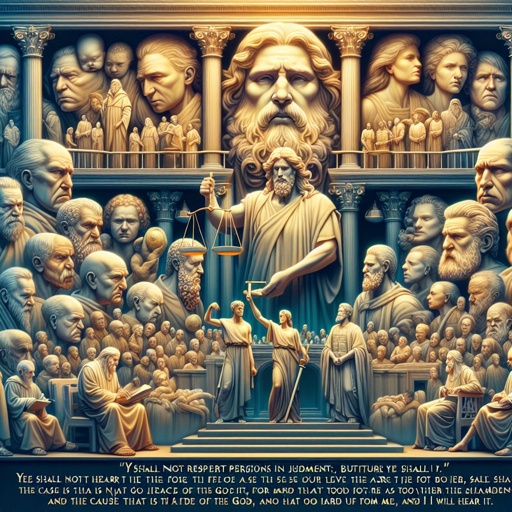
Deuteronomy 1:17 - "Ye shall not respect persons in judgment; but ye shall hear the small as well as the great; ye shall not be afraid of the face of man; for the judgment is God's: and the cause that is too hard for you, bring it unto me, and I will hear it."

Deuteronomy 17:17 - "Neither shall he multiply wives to himself, that his heart turn not away: neither shall he greatly multiply to himself silver and gold."

Deuteronomy 4:17 - "The likeness of any beast that is on the earth, the likeness of any winged fowl that flieth in the air,"

"And the pelican, and the gier eagle, and the cormorant," - Deuteronomy 14:17

Deuteronomy 18:17 - "And the LORD said unto me, They have well spoken that which they have spoken."

Deuteronomy 27:17 - "Cursed be he that removeth his neighbour's landmark. And all the people shall say, Amen."

Deuteronomy 24:17 - "¶ Thou shalt not pervert the judgment of the stranger, nor of the fatherless; nor take a widow's raiment to pledge:"

"That the LORD spake unto me, saying," - Deuteronomy 2:17

Deuteronomy 8:17 - "And thou say in thine heart, My power and the might of mine hand hath gotten me this wealth."

Deuteronomy 29:17 - "And ye have seen their abominations, and their idols, wood and stone, silver and gold, which were among them:)"

Deuteronomy 25:17 - "¶ Remember what Amalek did unto thee by the way, when ye were come forth out of Egypt;"

Deuteronomy 7:17 - "If thou shalt say in thine heart, These nations are more than I; how can I dispossess them?"

Deuteronomy 17:4 - "And it be told thee, and thou hast heard of it, and enquired diligently, and, behold, it be true, and the thing certain, that such abomination is wrought in Israel:"

"Cursed shall be thy basket and thy store." - Deuteronomy 28:17

Deuteronomy 9:17 - "And I took the two tables, and cast them out of my two hands, and brake them before your eyes."

Deuteronomy 30:17 - "But if thine heart turn away, so that thou wilt not hear, but shalt be drawn away, and worship other gods, and serve them;"

Deuteronomy 19:17 - "Then both the men, between whom the controversy is, shall stand before the LORD, before the priests and the judges, which shall be in those days;"

Deuteronomy 32:17 - "They sacrificed unto devils, not to God; to gods whom they knew not, to new gods that came newly up, whom your fathers feared not."
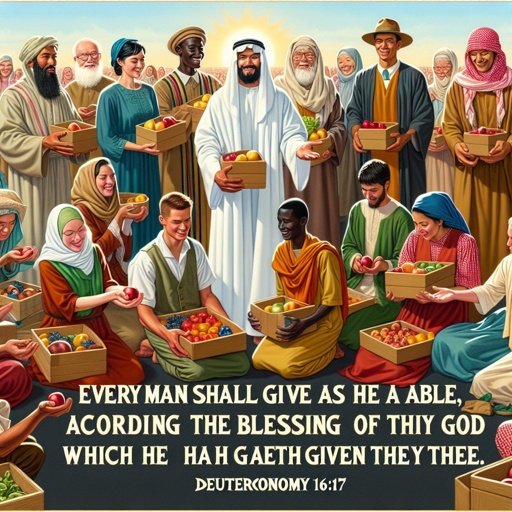
Deuteronomy 16:17 - "Every man shall give as he is able, according to the blessing of the LORD thy God which he hath given thee."

Deuteronomy 17:3 - "And hath gone and served other gods, and worshipped them, either the sun, or moon, or any of the host of heaven, which I have not commanded;"

Deuteronomy 10:17 - "For the LORD your God is God of gods, and Lord of lords, a great God, a mighty, and a terrible, which regardeth not persons, nor taketh reward:"